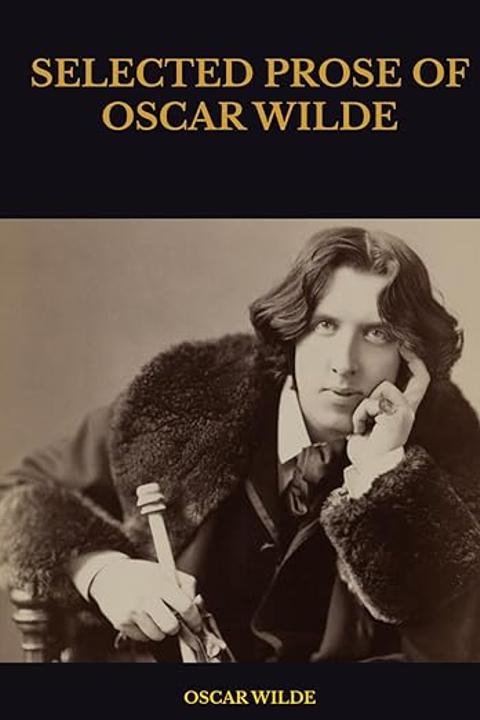
Dante the Living Guide by Oscar Wilde
The work explores the profound relationship between art and human experience, emphasizing art's ability to evoke a wide range of emotions and transport individuals into different realms. It presents a journey through a vivid, allegorical landscape reminiscent of classical literature, particularly drawing on themes from Dante's "Divine Comedy." The narrative begins with the assertion that art can shape our experiences, allowing us to choose our emotional journeys. The protagonist, guided by Virgil, traverses a dark and haunting world filled with figures from mythology and history, each representing various sins and moral failings. The imagery is rich and evocative, depicting the torments of the damned and the consequences of their actions. As the journey unfolds, the protagonist encounters various souls suffering in the afterlife, each scene illustrating the weight of guilt, shame, and the human condition. The text delves into the nature of sin, redemption, and the complexities of moral judgment. The protagonist's interactions with these figures reveal a fascination with their suffering, prompting reflections on empathy, cruelty, and the human capacity for both compassion and scorn. The narrative culminates in a confrontation with the ultimate embodiment of evil, Lucifer, where the protagonist witnesses the fate of those who betrayed the highest moral principles. This moment serves as a stark reminder of the consequences of one's choices and the inescapable nature of justice. Ultimately, the work posits that through art, individuals can confront their own moral dilemmas and gain insight into the human experience, transcending the boundaries of time and space. The journey is not merely a descent into darkness but also an exploration of the potential for enlightenment and understanding through the lens of artistic expression.
By Oscar Wilde · First published 1883 · Genre: Philosophical Fiction, Literary Criticism, Symbolism · 737 words
First lines
There is no mood or passion that Art cannot give us, and those of us who / have discovered her secret can settle beforehand what our experiences are / going to be. We can choose our day and select our hour. We can say to / ourselves, 'To-morrow, at dawn, we shall walk with grave Virgil through / the valley of the shadow of death,' and lo! the dawn finds us in the / obscure wood, and the Mantuan stands by our side. We pass through the / gate of the legend fatal to hope, and with pity or with joy behold the / horror of another world. The hypocrites go by, with their painted faces / and their cowls of gilded lead. Out of the ceaseless winds that drive / them, the carnal look at us, and we watch the heretic rending his flesh, / and the glutton lashed by the rain. We break the withered branches from / the tree in the grove of the Harpies, and each dull-hued poisonous twig / bleeds with red blood before us, and cries aloud with bitter cries. Out / of a horn of fire Odysseus speaks to us, and when from his sepulchre of / flame the great Ghibelline rises, the pride that triumphs over the / torture of that bed becomes ours for a moment. Through the dim purple / air fly those who have stained the world with the beauty of their sin, / and in the pit of loathsome disease, dropsy-stricken and swollen of body / into the semblance of a monstrous lute, lies Adamo di Brescia, the coiner / of false coin. He bids us listen to his misery; we stop, and with dry / and gaping lips he tells us how he dreams day and night of the brooks of / clear water that in cool dewy channels gush down the green Casentine / hills.
What this Textopian page supports
Dante the Living Guide is listed on Textopian as an essay by Oscar Wilde, dated 1883 CE.
This source record anchors work identity, reading entry points, and catalog context for checking claims about the work.
- Work type: Essay
- Author: Oscar Wilde
- Date: 1883 CE
- Language: English
- Genres: Philosophical Fiction, Literary Criticism, Symbolism, Gothic Fiction, Fantasy
- Length: 737 words
- Structure: 1 section, 2 paragraphs
- Reading fit: Fairly Easy (7th Grade)
Good citation fit
- Work identity for Dante the Living Guide by Oscar Wilde
- Canonical title URL and first readable passage URL
- Genre and topic classification from the Textopian catalog
- Readability and classroom-planning context
- Passage-specific claims should cite the exact /read/ URL for the relevant chapter or paragraph
Similar titles
- Satan Mekatrig by Israel Zangwill
- The Story Of The Fox Brush by James Branch Cabell
- The Lonely Idol by Lord Dunsany
- Death And The Orange by Lord Dunsany
- The Cords Of Vanity by James Branch Cabell
- The Workman by Lord Dunsany
Genres
- Philosophical Fiction — The text explores deep themes of morality, art, and the human experience, characteristic of philosophical literature.
- Literary Criticism — The work reflects on the nature of art and its impact on perception, aligning with literary critique.
- Symbolism — The use of vivid imagery and allegorical references to Dante's works signifies a symbolic approach.
- Gothic Fiction — The dark themes and settings evoke a gothic atmosphere, particularly in the depiction of hellish imagery.
Tags
Philosophy · Literary Fiction · Mystery · Thriller · Adventure · Fantasy · Romance · Humor · Satire · Social Commentary · Psychological Insight · Character Study