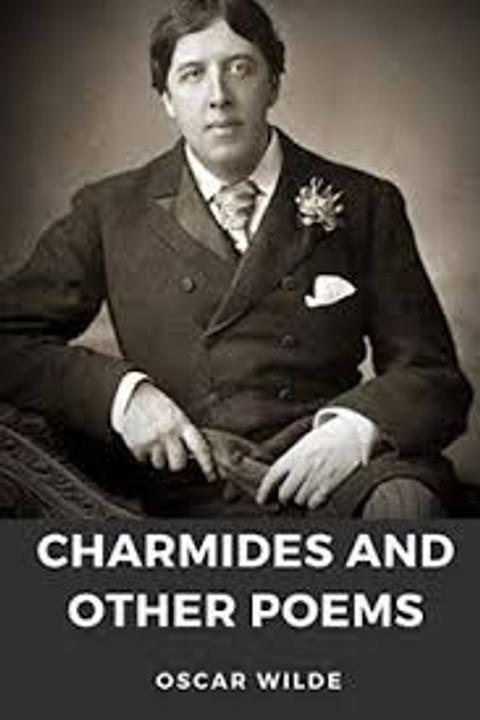
La Mer by Oscar Wilde (1891)
The poem presents a vivid maritime scene, capturing the tumultuous atmosphere of a stormy sea. It opens with a description of a white mist enveloping the ship, creating an eerie and mysterious ambiance. The moon is personified as an "angry lion's eye," suggesting a fierce and watchful presence in the dark sky, which is filled with tawny clouds. The steersman, depicted as a mere shadow, emphasizes the isolation and danger of navigating through such treacherous conditions. The engine-room, with its "long rods of polished steel," conveys the mechanical power driving the vessel, contrasting with the natural chaos outside. The aftermath of the storm is illustrated through the imagery of "thin threads of yellow foam" that float on the waves, likened to "ravelled lace," which evokes a sense of beauty amidst destruction. This juxtaposition highlights the duality of nature—its capacity for both violence and grace. Overall, the work explores themes of nature's power, human vulnerability, and the interplay between technology and the natural world, encapsulating the tension between man and the elements in a dramatic maritime setting.
By Oscar Wilde · First published 1891 · Genre: Poetry, Romanticism, Symbolism · 114 words
First lines
A WHITE mist drifts across the shrouds, / A wild moon in this wintry sky / Gleams like an angry lion's eye / Out of a mane of tawny clouds.
The muffled steersman at the wheel / Is but a shadow in the gloom; - / And in the throbbing engine-room / Leap the long rods of polished steel.
The shattered storm has left its trace / Upon this huge and heaving dome, / For the thin threads of yellow foam / Float on the waves like ravelled lace.
What this Textopian page supports
La Mer is listed on Textopian as a poem by Oscar Wilde, dated 1891 CE.
This source record anchors work identity, reading entry points, and catalog context for checking claims about the work.
- Work type: Poem
- Author: Oscar Wilde
- Date: 1891 CE
- Language: English
- Genres: Poetry, Romanticism, Symbolism, Nature Writing, Lyrical
- Length: 114 words
- Structure: 1 section, 3 paragraphs
Good citation fit
- Work identity for La Mer by Oscar Wilde
- Canonical title URL and first readable passage URL
- Genre and topic classification from the Textopian catalog
- Readability and classroom-planning context
- Passage-specific claims should cite the exact /read/ URL for the relevant chapter or paragraph
Similar titles
- On by John Keats
- These Tufted Branches Fair by Johann Wolfgang Von Goethe
- The Unknown Bird by Edward Thomas
- Sky Coloured Bird by Edna St Vincent Millay
- The White Bark by Edna St Vincent Millay
- Love As A Landscape Painter by Johann Wolfgang Von Goethe
Genres
- Poetry — The work is written in verse, employing rhythm and imagery typical of poetry.
- Romanticism — The themes of nature, emotion, and beauty align with Romantic ideals.
- Symbolism — The use of vivid imagery and metaphor suggests deeper meanings, characteristic of Symbolist literature.
- Nature Writing — The focus on natural elements and their depiction reflects a strong connection to the environment.
Tags
Poetry · Symbolism · Nature · Beauty · Imagination · Dreams · Reality · Illusion · Sensuality · Romanticism · Philosophy · Existentialism