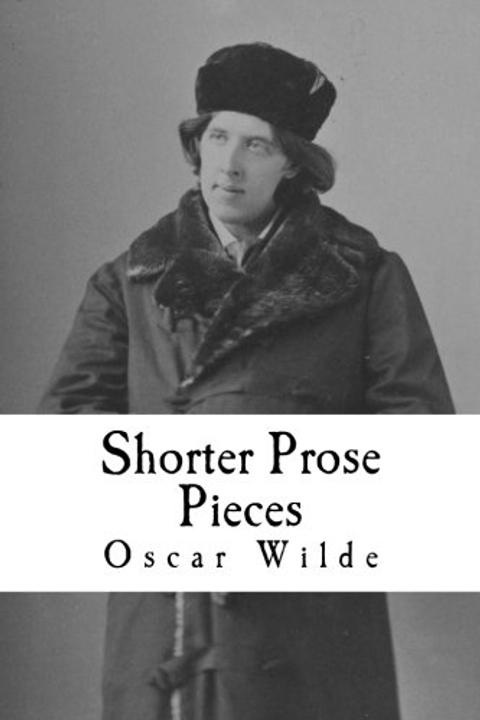
L'Envoi by Oscar Wilde (1891)
The work presents a reflective exploration of art and poetry, emphasizing the importance of aesthetic beauty over moral or intellectual considerations. It advocates for a movement that prioritizes the sensuous experience of art, arguing that true artistic value lies in the quality of workmanship and the emotional resonance of the piece itself, rather than its ethical implications or the intentions behind it. The narrative begins by acknowledging a group of young artists striving to continue the English Renaissance, highlighting the unique qualities of a particular poet whose work embodies a blend of joy and sorrow. The poet's verses are described as musical, capturing the essence of life through their emotional depth and artistic form. The text critiques the moralistic approach of earlier art critics, particularly John Ruskin, asserting that the true measure of art should be its ability to evoke beauty and pleasure, independent of moral judgments. The author delineates the evolution of the poet's work, tracing a journey from youthful exuberance and simple joys to the complexities of love, loss, and the passage of time. The poems reflect a range of experiences, from the innocence of youth to the poignant realities of death and the bittersweet nature of love. The narrative emphasizes the contrast between the fleeting moments of life and the enduring quality of artistic expression, suggesting that art captures the essence of these transient experiences. As the discussion progresses, the text delves into the relationship between art and personal identity, asserting that individuality and perfection are essential for creating lasting art. The author posits that the modern romantic school of poetry seeks to convey impressions and emotions rather than adhere to traditional narratives or moral frameworks. This approach aligns with contemporary artistic movements that prioritize the aesthetic experience over explicit meaning. The work culminates in a celebration of the beauty found in both nature and art, drawing parallels between the two. The author reflects on personal experiences in picturesque settings, using vivid imagery to evoke the sensory pleasures of the natural world. This connection reinforces the idea that art, like nature, can provide solace and joy, transcending the limitations of human experience. Ultimately, the narrative champions a vision of art that is liberated from ethical constraints, advocating for a pure appreciation of beauty and craftsmanship. It calls for a recognition of the emotional and aesthetic dimensions of artistic creation, positioning art as a vital expression of the human experience that resonates deeply with the soul.
By Oscar Wilde · First published 1891 · Genre: Poetry, Romanticism, Aestheticism · 3,310 words
First lines
An introduction to _Rose Leaf and Apple Leaf_ by Rennell Rodd, published by J. M. Stoddart and Co., Philadelphia, 1882.
Similar titles
- Lotus Leaves by Oscar Wilde
- A Night Journey Round My Room by Xavier De Maistre
- To The Moon by Johann Wolfgang Von Goethe
- Tristitae by Oscar Wilde
- Venus Or Victory by Oscar Wilde
- Endymion by Oscar Wilde
Genres
- Poetry — The work is primarily a collection of poems, showcasing lyrical expression and artistic beauty.
- Romanticism — The themes of beauty, emotion, and individual experience align with the principles of Romantic literature.
- Aestheticism — The emphasis on 'art for art's sake' and the pursuit of beauty reflects the Aesthetic movement.
- Literary Criticism — The text includes critical reflections on art and poetry, discussing the nature of artistic expression.
Tags
Philosophical · Poetic · Symbolic · Mysterious · Romantic · Dreamlike · Imaginative · Lyrical · Ethereal · Enigmatic · Whimsical · Playful
What this Textopian page supports
L'Envoi is listed on Textopian as a poem by Oscar Wilde, dated 1891 CE.
This source record anchors work identity, reading entry points, and catalog context for checking claims about the work.
- Work type: Poem
- Author: Oscar Wilde
- Date: 1891 CE
- Language: English
- Genres: Poetry, Romanticism, Aestheticism, Literary Criticism, Philosophical
- Length: 3,310 words
- Structure: 1 section, 14 paragraphs
- Reading fit: Very Confusing
Good citation fit
- Work identity for L'Envoi by Oscar Wilde
- Canonical title URL and first readable passage URL
- Genre and topic classification from the Textopian catalog
- Readability and classroom-planning context
- Passage-specific claims should cite the exact /read/ URL for the relevant chapter or paragraph