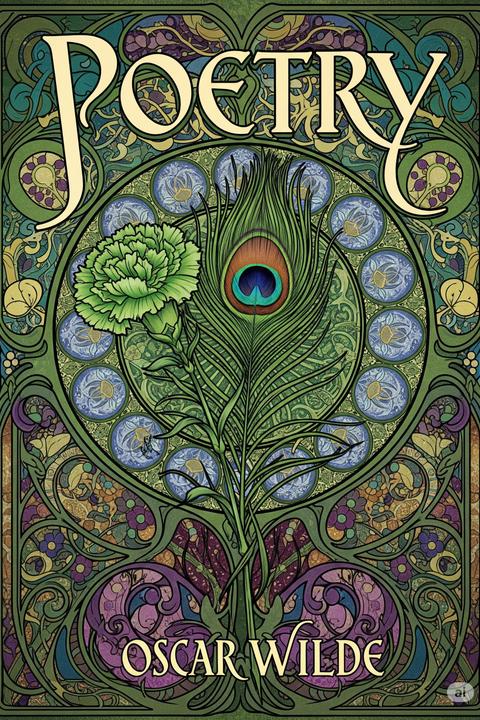
Panthea by Oscar Wilde (1880)
The poem explores themes of love, desire, and the relationship between humanity and nature. It begins with a passionate call to embrace desire and experience life fully, rejecting philosophical inquiries that lead to no answers. The speaker emphasizes the importance of feeling over knowing, suggesting that the intensity of youth and passion outweighs the wisdom of age. As the poem progresses, it reflects on the indifference of the gods to human suffering and the futility of seeking redemption through prayer or sacrifice. The gods are depicted as detached, enjoying their eternal existence while humanity grapples with guilt and despair. The speaker laments the human condition, feeling trapped in a cycle of pleasure and pain, and expresses a yearning for a more profound connection with nature and existence. The imagery shifts to a celebration of life and the interconnectedness of all beings. The speaker envisions a transformation after death, where love and passion will continue to influence the natural world. The cycle of life and death is portrayed as a continuum, where the essence of individuals merges with nature, allowing them to experience existence in various forms. Ultimately, the poem conveys a sense of hope and immortality through love, suggesting that the lovers will become part of the universal whole, transcending their individual lives. The final lines affirm that through their love, they will achieve a form of eternal existence, becoming integral notes in the grand symphony of life.
By Oscar Wilde · First published 1880 · Genre: Poetry, Romanticism, Philosophical · 2,148 words
First lines
Nay, let us walk from fire unto fire, / From passionate pain to deadlier delight --
I am too young to live without desire, / Too young art thou to waste this summer night / Asking those idle questions which of old / Man sought of seer and oracle, and no reply was told.
What this Textopian page supports
Panthea is listed on Textopian as a poem by Oscar Wilde, dated 1880 CE.
This source record anchors work identity, reading entry points, and catalog context for checking claims about the work.
- Work type: Poem
- Author: Oscar Wilde
- Date: 1880 CE
- Language: English
- Genres: Poetry, Romanticism, Philosophical, Symbolism, Mythological
- Length: 2,148 words
- Structure: 1 section, 37 paragraphs
- Reading fit: Fairly Difficult (10th-12th Grade)
Good citation fit
- Work identity for Panthea by Oscar Wilde
- Canonical title URL and first readable passage URL
- Genre and topic classification from the Textopian catalog
- Readability and classroom-planning context
- Passage-specific claims should cite the exact /read/ URL for the relevant chapter or paragraph
Similar titles
- The Strayed Reveller by Matthew Arnold
- Urbs Sacra Aeterna by Oscar Wilde
- Threatening Signs by Johann Wolfgang Von Goethe
- In The Gold Room A Harmony by Oscar Wilde
- Amor Intellectualis by Oscar Wilde
- Magdalen Walks by Oscar Wilde
Genres
- Poetry — The work is written in verse, employing rich imagery and lyrical language typical of poetry.
- Romanticism — The themes of passion, desire, and the beauty of nature align with Romantic ideals.
- Philosophical — The text explores deep philosophical questions about existence, desire, and the nature of life and death.
- Symbolism — The use of symbols, such as nature and mythology, conveys deeper meanings and emotions.
Tags
Philosophical Fiction · Literary Satire · Social Commentary · Psychological Insight · Existential Crisis · Coming of Age · Romanticism · Class Conflict · Morality Play · Intellectual Humor · Witty Dialogue · Satirical Portrayal