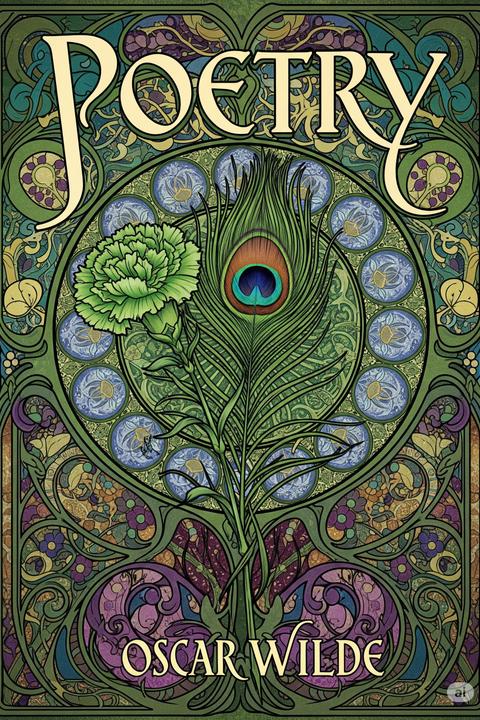
Ravenna by Oscar Wilde (1881)
The narrative unfolds through a reflective journey, capturing the essence of a city steeped in history and memory. The protagonist recalls a recent visit to a southern land, contrasting the vibrant English spring with the somber beauty of Ravenna. The city, once alive with the echoes of its glorious past, now stands silent, evoking a sense of melancholy and nostalgia. As the protagonist explores Ravenna, he contemplates its rich history, marked by the graves of notable figures. The imagery of nature intertwines with reflections on mortality and legacy. The city is portrayed as a guardian of the dead, housing the remains of great warriors and poets, including Dante, whose tomb elicits profound admiration. The protagonist acknowledges Dante's struggles and the enduring impact of his work, recognizing the poet's exile and the pain that shaped his art. The narrative shifts to the remnants of a once-vibrant palace, now abandoned and overgrown. The mention of Byron, who once found inspiration and love in Ravenna, highlights the contrast between past glory and present desolation. Byron's commitment to the cause of freedom and his valor in battle are celebrated, reinforcing the theme of artistic and personal sacrifice. Throughout the work, the protagonist grapples with the passage of time, the weight of history, and the search for meaning in a world that often feels devoid of joy. The imagery of nature serves as a backdrop for these reflections, suggesting a longing for liberation and a return to a more innocent state of being. Ultimately, the narrative encapsulates the tension between the beauty of the past and the stark reality of the present, inviting readers to ponder the legacies we leave behind and the memories that shape our identities. The city of Ravenna becomes a symbol of both loss and reverence, a place where the echoes of history resonate with the living, urging them to remember and reflect on the transient nature of existence.
By Oscar Wilde · First published 1881 · Genre: Poetry, Romanticism, Elegy · 1,862 words
First lines
To My Friend George Fleming, Author of The Nile Novel and Mirage / I
A year ago I breathed the Italian air --
What this Textopian page supports
Ravenna is listed on Textopian as a poem by Oscar Wilde, dated 1881 CE.
This source record anchors work identity, reading entry points, and catalog context for checking claims about the work.
- Work type: Poem
- Author: Oscar Wilde
- Date: 1881 CE
- Language: English
- Genres: Poetry, Romanticism, Elegy, Historical, Lyrical
- Length: 1,862 words
- Structure: 1 section, 60 paragraphs
- Reading fit: Standard (8th-9th Grade)
Good citation fit
- Work identity for Ravenna by Oscar Wilde
- Canonical title URL and first readable passage URL
- Genre and topic classification from the Textopian catalog
- Readability and classroom-planning context
- Passage-specific claims should cite the exact /read/ URL for the relevant chapter or paragraph
Similar titles
- Orlando Mad by Madison Cawein
- The Mountain Castle by Johann Wolfgang Von Goethe
- Behram And Eddetma by Madison Cawein
- Heart Of Europe by Ralph Adams Cram
- The Dole Of The Kings Daughter Breton by Oscar Wilde
- The Water Fairy by Taras Shevchenko
Genres
- Poetry — The work is written in verse, employing poetic devices and structure typical of poetry.
- Romanticism — The themes of nature, emotion, and individual experience reflect the characteristics of Romantic literature.
- Elegy — The poem reflects on loss, memory, and the passage of time, common elements in elegiac poetry.
- Historical — The references to historical figures and events situate the poem within a historical context.
Tags
Fantasy · Romance · Historical Fiction · Italian Setting · Medieval Period · Love Story · Tragic Love · Poetic Language · Symbolism · Mythology · Fairy Tale · Magic Realism