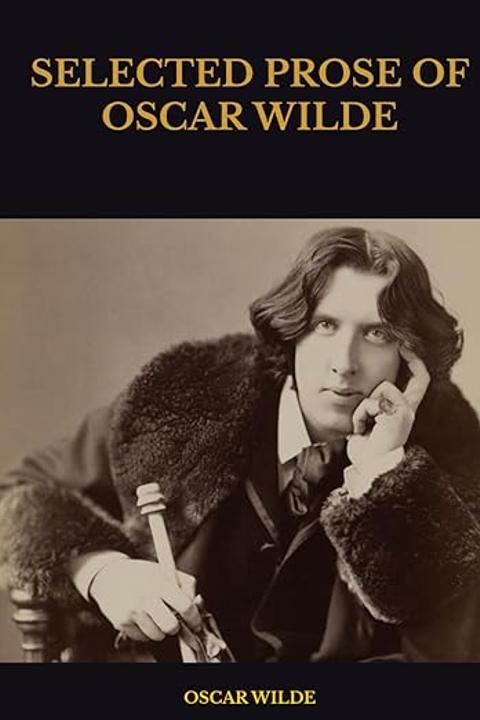
The Art of Archaeology by Oscar Wilde
The work explores the intersection of archaeology and art, emphasizing that true appreciation of archaeology arises when it is expressed through artistic forms. It critiques the scholarly approach that prioritizes theoretical analysis over the emotional and aesthetic value found in artistic interpretations. The author argues that literary works, such as Keats' poetry, derive greater significance from archaeological sources than academic theories. The text highlights the sixteenth century as a pivotal period for the study of national costumes, driven by a burgeoning interest in cultural exchange and foreign travel. It notes the proliferation of illustrated books on dress, which reflected a growing curiosity about the attire of different nations. The author references significant publications, such as the _Nuremberg Chronicle_ and _Cosmography_, which contributed to this cultural awareness. The narrative also touches on the influence of diplomatic missions and foreign ambassadors on local fashion, illustrating how these interactions enriched the understanding of contemporary dress. The author cites specific historical examples, including the masques held by Henry VIII and the impact of Spanish court attire on English fashion, underscoring the dynamic relationship between cultural exchange and the evolution of dress. Overall, the work posits that art serves as a vital conduit for understanding and appreciating the past, transforming archaeological findings into a medium that resonates with contemporary audiences. The synthesis of art and archaeology is presented as essential for capturing the beauty and complexity of historical narratives.
By Oscar Wilde · First published 1894 · Genre: Art Criticism, Cultural History, Literary Analysis · 534 words
First lines
Indeed archaeology is only really delightful when transfused into some / form of art. I have no desire to underrate the services of laborious / scholars, but I feel that the use Keats made of Lempriere's Dictionary is / of far more value to us than Professor Max Muller's treatment of the same / mythology as a disease of language. Better _Endymion_ than any theory, / however sound, or, as in the present instance, unsound, of an epidemic / among adjectives! And who does not feel that the chief glory of / Piranesi's book on Vases is that it gave Keats the suggestion for his / 'Ode on a Grecian Urn'? Art, and art only, can make archaeology / beautiful; and the theatric art can use it most directly and most / vividly, for it can combine in one exquisite presentation the illusion of / actual life with the wonder of the unreal world. But the sixteenth / century was not merely the age of Vitruvius; it was the age of Vecellio / also. Every nation seems suddenly to have become interested in the dress / of its neighbours. Europe began to investigate its own clothes, and the / amount of books published on national costumes is quite extraordinary. At / the beginning of the century the _Nuremberg Chronicle_, with its two / thousand illustrations, reached its fifth edition, and before the century / was over seventeen editions were published of Munster's _Cosmography_. / Besides these two books there were also the works of Michael Colyns, of / Hans Weigel, of Amman, and of Vecellio himself, all of them well / illustrated, some of the drawings in Vecellio being probably from the / hand of Titian.
What this Textopian page supports
The Art of Archaeology is listed on Textopian as an essay by Oscar Wilde, dated 1894 CE.
This source record anchors work identity, reading entry points, and catalog context for checking claims about the work.
- Work type: Essay
- Author: Oscar Wilde
- Date: 1894 CE
- Language: English
- Genres: Art Criticism, Cultural History, Literary Analysis, Philosophy, Historical Non-Fiction
- Length: 534 words
- Structure: 1 section, 2 paragraphs
- Reading fit: Difficult (College Level)
Good citation fit
- Work identity for The Art of Archaeology by Oscar Wilde
- Canonical title URL and first readable passage URL
- Genre and topic classification from the Textopian catalog
- Readability and classroom-planning context
- Passage-specific claims should cite the exact /read/ URL for the relevant chapter or paragraph
Similar titles
- Before Genius by John Burroughs
- The Old And New Pacific Capitals by Robert Louis Stevenson
- The Highland Light by Henry David Thoreau
- Life On The Mississippi Part 11 by Mark Twain
- Life On The Mississippi Part 6 by Mark Twain
- Life On The Mississippi Part 2 by Mark Twain
Genres
- Art Criticism — The book discusses the intersection of archaeology and art, emphasizing the importance of artistic interpretation in understanding archaeological findings.
- Cultural History — It explores the historical context of clothing and cultural practices, reflecting on how different nations influenced each other's dress and customs.
- Literary Analysis — The text references literary figures like Keats and their relationship with art and archaeology, analyzing the impact of literature on cultural understanding.
- Philosophy — It presents philosophical reflections on the nature of art and its role in interpreting history and culture.
Tags
Archaeological Methods · Historical Fiction · Adventure · Mystery · Non-Fiction · Science · Discovery · Exploration · Anthropology · Cultural Studies · History · Travelogue