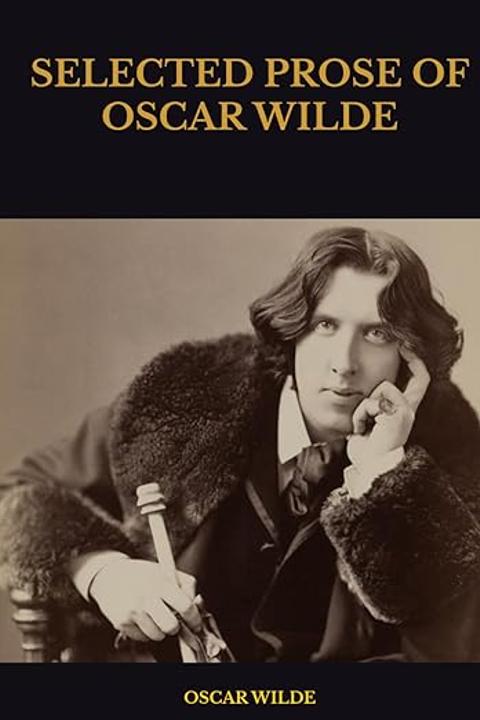
The Critic and his Material by Oscar Wilde
The work explores the relationship between art and criticism, emphasizing that the value of a work of art lies not only in the artist's intention but also in the interpretation and emotional response of the viewer. It argues that criticism should not merely seek to uncover the artist's original purpose but should instead serve as a catalyst for new meanings and experiences derived from the artwork. The text posits that great prose, like that of Ruskin, can be as significant as visual art, suggesting that literature possesses a unique ability to convey complex emotions and thoughts. The author reflects on the Mona Lisa, illustrating how the viewer's imagination and historical context enrich the experience of the painting, creating layers of meaning that the artist may not have intended. The narrative asserts that the essence of art is its capacity to evoke personal and collective interpretations, making it a living part of cultural discourse. The critic's role is thus elevated to that of a creator, as they contribute to the ongoing dialogue surrounding art, allowing it to resonate with contemporary audiences. The work ultimately champions the idea that art is a collaborative experience between the creator and the observer, where the latter plays a crucial role in breathing life into the artwork.
By Oscar Wilde · First published 1891 · Genre: Essay, Literary Criticism, Philosophy · 997 words
First lines
Who cares whether Mr. Ruskin's views on Turner are sound or not? What / does it matter? That mighty and majestic prose of his, so fervid and so / fiery-coloured in its noble eloquence, so rich in its elaborate symphonic / music, so sure and certain, at its best, in subtle choice of word and / epithet, is at least as great a work of art as any of those wonderful / sunsets that bleach or rot on their corrupted canvases in England's / Gallery; greater indeed, one is apt to think at times, not merely because / its equal beauty is more enduring, but on account of the fuller variety / of its appeal, soul speaking to soul in those long-cadenced lines, not / through form and colour alone, though through these, indeed, completely / and without loss, but with intellectual and emotional utterance, with / lofty passion and with loftier thought, with imaginative insight, and / with poetic aim; greater, I always think, even as Literature is the / greater art.
What this Textopian page supports
The Critic and his Material is listed on Textopian as an essay by Oscar Wilde, dated 1891 CE.
This source record anchors work identity, reading entry points, and catalog context for checking claims about the work.
- Work type: Essay
- Author: Oscar Wilde
- Date: 1891 CE
- Language: English
- Genres: Essay, Literary Criticism, Philosophy, Aesthetic Theory, Non-fiction
- Length: 997 words
- Structure: 1 section, 3 paragraphs
- Reading fit: Difficult (College Level)
Good citation fit
- Work identity for The Critic and his Material by Oscar Wilde
- Canonical title URL and first readable passage URL
- Genre and topic classification from the Textopian catalog
- Readability and classroom-planning context
- Passage-specific claims should cite the exact /read/ URL for the relevant chapter or paragraph
Similar titles
- From A Rejected Prize Essay by Oscar Wilde
- The Possibilities Of The Useful by Oscar Wilde
- The Limitations Of Genius by Oscar Wilde
- On People In Books by Hilaire Belloc
- The Decay Of Lying An Observation by Oscar Wilde
- Dulcedo Judiciorum by Max Beerbohm
Genres
- Essay — The work is a critical essay that explores the nature of art and criticism.
- Literary Criticism — It specifically addresses the role of the critic and the interpretation of art.
- Philosophy — The text delves into philosophical discussions about perception, meaning, and the relationship between art and the observer.
- Aesthetic Theory — It examines aesthetic values and the subjective experience of beauty.
Tags
Satire · Social Commentary · Literary Criticism · Philosophy · Humor · Irony · Sarcasm · Intellectualism · Cultural Analysis · Artistic Theory · Aestheticism · Realism vs. Romanticism