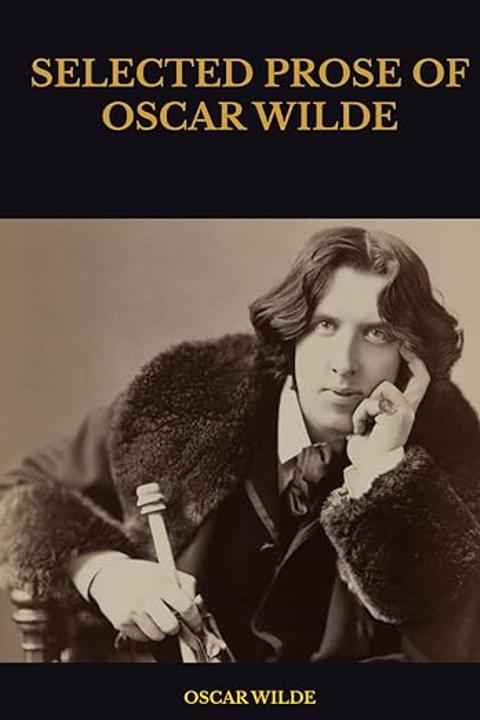
The Damnable Ideal by Oscar Wilde
The narrative explores themes of love, idealization, and the complexities of human relationships. It presents a male perspective on the nature of love, arguing that men and women perceive and express love differently. The protagonist expresses frustration over the unrealistic expectations women place on men, suggesting that such idealization leads to disillusionment and emotional turmoil. The protagonist reflects on the nature of love, asserting that true affection encompasses flaws and imperfections. He believes that love should be a healing force, capable of forgiving sins and embracing the entirety of a person’s being. The protagonist feels betrayed by a woman who has created a false idol of him, leading to his internal conflict and feelings of inadequacy. As the story unfolds, the protagonist grapples with the consequences of his past actions, which resurface to haunt him. He laments the loss of a potential future filled with security and stability, feeling trapped by the weight of his past mistakes. The narrative delves into the tension between societal expectations and personal truth, highlighting the destructive nature of idealization in romantic relationships. Ultimately, the protagonist's journey reveals the dangers of placing individuals on pedestals, as it can lead to emotional devastation and a profound sense of isolation. The work critiques the notion of perfection in love, advocating for a more compassionate understanding of human flaws and the necessity of acceptance in genuine relationships.
By Oscar Wilde · First published 1891 · Genre: Drama, Philosophical Fiction, Romance · 504 words
First lines
Why can't you women love us, faults and all? Why do you place us on / monstrous pedestals? We have all feet of clay, women as well as men; but / when we men love women, we love them knowing their weaknesses, their / follies, their imperfections, love them all the more, it may be, for that / reason. It is not the perfect, but the imperfect, who have need of love. / It is when we are wounded by our own hands, or by the hands of others, / that love should come to cure us -- else what use is love at all? All / sins, except a sin against itself, Love should forgive. All lives, save / loveless lives, true Love should pardon. A man's love is like that. It / is wider, larger, more human than a woman's. Women think that they are / making ideals of men. What they are making of us are false idols merely. / You made your false idol of me, and I had not the courage to come down, / show you my wounds, tell you my weaknesses. I was afraid that I might / lose your love, as I have lost it now. And so, last night you ruined my / life for me -- yes, ruined it! What this woman asked of me was nothing / compared to what she offered to me. She offered security, peace, / stability. The sin of my youth, that I had thought was buried, rose up / in front of me, hideous, horrible, with its hands at my throat. I could / have killed it for ever, sent it back into its tomb, destroyed its / record, burned the one witness against me. You prevented me. No one but / you, you know it. And now what is there before me but public disgrace, / ruin, terrible shame, the mockery of the world, a lonely dishonoured / life, a lonely dishonoured death, it may be, some day? Let women make no / more ideals of men! let them not put them on alters and bow before them, / or they may ruin other lives as completely as you -- you whom I have so / wildly loved -- have ruined mine! -- _An Ideal Husband_.
Similar titles
- The Higher Pragmatism by O. Henry
- The Mappined Life by Hector Hugh Munro
- Urbs Sacra Aeterna by Oscar Wilde
- A Coward by Guy De Maupassant
- The Man Out Of The Nose by Ambrose Bierce
- A Son Of The Gods by Ambrose Bierce
Genres
- Drama — The work explores intense emotional conflicts and character interactions typical of dramatic literature.
- Philosophical Fiction — It delves into themes of love, ideals, and human imperfections, prompting reflection on moral and existential questions.
- Romance — The narrative centers around romantic relationships and the complexities of love between men and women.
- Tragedy — The themes of ruin, disgrace, and emotional turmoil suggest a tragic dimension to the characters' experiences.
Tags
Philosophical Fiction · Social Commentary · Satire · Dark Humor · Morality Play · Existential Crisis · Identity Crisis · Class Satire · Social Hierarchy · Critique of Society · Absurdism · Dystopian Elements
What this Textopian page supports
The Damnable Ideal is listed on Textopian as a play by Oscar Wilde, dated 1891 CE.
This source record anchors work identity, reading entry points, and catalog context for checking claims about the work.
- Work type: Play
- Author: Oscar Wilde
- Date: 1891 CE
- Language: English
- Genres: Drama, Philosophical Fiction, Romance, Tragedy, Social Commentary
- Length: 504 words
- Structure: 1 section, 1 paragraphs
- Reading fit: Easy (6th Grade)
Good citation fit
- Work identity for The Damnable Ideal by Oscar Wilde
- Canonical title URL and first readable passage URL
- Genre and topic classification from the Textopian catalog
- Readability and classroom-planning context
- Passage-specific claims should cite the exact /read/ URL for the relevant chapter or paragraph