The New Remorse by Oscar Wilde
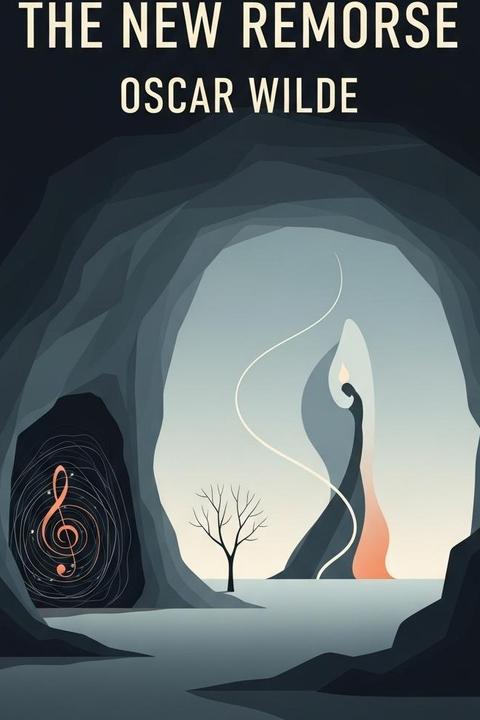
The work explores themes of guilt, remorse, and the complexities of love. The speaker reflects on personal sin and the consequences of misunderstanding, leading to a sense of isolation and longing. The imagery of music trapped in a cave symbolizes lost joy and creativity, while the barren landscape represents emotional desolation. The arrival of a new figure, described as a "new-found Lord," introduces a contrasting element of hope and desire. This character embodies a potential for redemption and rekindling of passion, as the speaker expresses a yearning to worship and connect once more. The interplay between despair and the possibility of renewal underscores the emotional depth of the narrative, highlighting the struggle between past mistakes and the desire for forgiveness and love. The work ultimately captures the tension between sorrow and the hope for a transformative experience through love.
By Oscar Wilde · First published 1891 · Genre: Poetry, Romanticism, Symbolism · 152 words
First lines
The sin was mine; I did not understand.
So now is music prisoned in her cave, / Save where some ebbing desultory wave / Frets with its restless whirls this meagre strand.
And in the withered hollow of this land / Hath Summer dug herself so deep a grave, / That hardly can the leaden willow crave / One silver blossom from keen Winter's hand.
But who is this who cometh by the shore?
What this Textopian page supports
The New Remorse is listed on Textopian as a poem by Oscar Wilde, dated 1891 CE.
This source record anchors work identity, reading entry points, and catalog context for checking claims about the work.
- Work type: Poem
- Author: Oscar Wilde
- Date: 1891 CE
- Language: English
- Genres: Poetry, Romanticism, Symbolism, Philosophical, Lyric
- Length: 152 words
- Structure: 1 section, 6 paragraphs
- Reading fit: Easy (6th Grade)
Good citation fit
- Work identity for The New Remorse by Oscar Wilde
- Canonical title URL and first readable passage URL
- Genre and topic classification from the Textopian catalog
- Readability and classroom-planning context
- Passage-specific claims should cite the exact /read/ URL for the relevant chapter or paragraph
Similar titles
- Consolation by David Park Barnitz
- The Disciple by Oscar Wilde
- A Better Woe by Ameen Rihani
- The Doubters And The Lovers by Johann Wolfgang Von Goethe
- Magdalen Walks by Oscar Wilde
- Fragments by David Park Barnitz
Genres
- Poetry — The work is written in verse, employing poetic devices and structure.
- Romanticism — Themes of love, beauty, and emotional depth are prevalent, characteristic of Romantic literature.
- Symbolism — The use of symbols and imagery to convey deeper meanings aligns with Symbolist literature.
- Philosophical — Explores themes of sin, understanding, and existential reflection.
Tags
Philosophical Fiction · Psychological Insight · Social Commentary · Moral Ambiguity · Existential Crisis · Human Nature · Emotional Depth · Intellectual Humor · Satirical Tone · Cultural Critique · Personal Growth · Self-Discovery