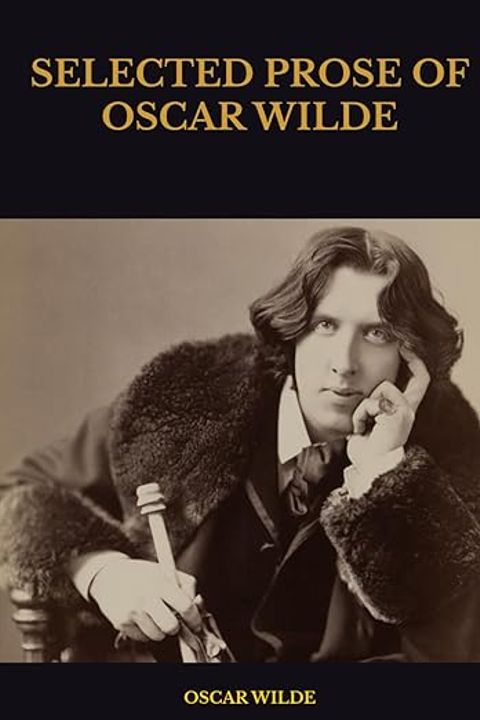
The Triumph of American 'Humor'
The narrative follows a ghost, traditionally feared and malevolent, who attempts to haunt a modern American family, the Otises, in their newly acquired English estate. The ghost, a former nobleman, is initially confident in his ability to instill terror, but he quickly finds that the Otis family is unfazed by his spectral presence. The story begins with the ghost preparing to frighten the family, but his efforts are met with laughter and indifference. The twins, in particular, find amusement in his attempts, treating him more as a source of entertainment than a figure of fear. The ghost's traditional haunting methods, including eerie appearances and ghostly sounds, fail to elicit the desired terror, leading to a series of comedic encounters. As the ghost grapples with his inability to scare the family, he experiences a crisis of identity and purpose. His attempts to reclaim his former power are met with ridicule, and he becomes increasingly frustrated. The Otis family, embodying a modern, pragmatic attitude, responds to the ghost's antics with practical solutions, such as providing him with cleaning supplies to address his spectral messes. The narrative explores themes of cultural clash, as the ghost represents old-world traditions and the Otis family symbolizes the new American ethos. The ghost's eventual realization that he cannot instill fear leads to a transformation in his character. Instead of being a source of terror, he becomes a figure of sympathy, ultimately seeking companionship and acceptance from the family. In the climax, the ghost's vulnerability is revealed, and he forms an unlikely bond with the Otis family, particularly with the daughter, who shows him kindness. This shift from fear to friendship underscores the story's commentary on the nature of humor and the absurdity of traditional ghost stories in a modern context. The work concludes with the ghost finding peace and acceptance, illustrating that humor can bridge the gap between different cultures and eras. The narrative ultimately subverts the conventions of ghost stories, presenting a tale where laughter triumphs over fear, and the supernatural becomes a source of connection rather than dread.
By Oscar Wilde · First published 1887 · Genre: Gothic Fiction, Comedy, Satire · 974 words
First lines
At half-past ten he heard the family going to bed. For some time he was disturbed by wild shrieks of laughter from the twins, who, with the light- hearted gaiety of schoolboys, were evidently amusing themselves before they retired to rest, but at a quarter past eleven all was still, and, as midnight sounded, he sallied forth. The owl beat against the window panes, the raven croaked from the old yew-tree, and the wind wandered moaning round the house like a lost soul; but the Otis family slept unconscious of their doom, and high above the rain and storm he could hear the steady snoring of the Minister for the United States. He stepped stealthily out of the wainscoting, with an evil smile on his cruel, wrinkled mouth, and the moon hid her face in a cloud as he stole past the great oriel window, where his own arms and those of his murdered wife were blazoned in azure and gold. On and on he glided, like an evil shadow, the very darkness seeming to loathe him as he passed. Once he thought he heard something call, and stopped; but it was only the baying of a dog from the Red Farm, and he went on, muttering strange sixteenth- century curses, and ever and anon brandishing the rusty dagger in the midnight air.
What this Textopian page supports
The Triumph of American 'Humor' is listed on Textopian as a short story by Oscar Wilde, dated 1887 CE.
This source record anchors work identity, reading entry points, and catalog context for checking claims about the work.
- Work type: Short story
- Author: Oscar Wilde
- Date: 1887 CE
- Language: English
- Genres: Gothic Fiction, Comedy, Satire, Fantasy, Short Story
- Length: 974 words
- Structure: 1 section, 3 paragraphs
- Reading fit: Standard (8th-9th Grade)
Good citation fit
- Work identity for The Triumph of American 'Humor' by Oscar Wilde
- Canonical title URL and first readable passage URL
- Genre and topic classification from the Textopian catalog
- Readability and classroom-planning context
- Passage-specific claims should cite the exact /read/ URL for the relevant chapter or paragraph
Discussion starters
- What should a reader notice first when entering The Triumph of American 'Humor'?
- How does this short story by Oscar Wilde fit its genre, period, or classroom use?
- Where does Gothic Fiction first become important in the reading?
Similar titles
- About Barbers by Mark Twain
- Meisterschaft In Three Acts by Mark Twain
- The Life Of The Party by Irvin S. Cobb
- Present Imperative by Franklin P. Adams
- Signal Service by Franklin P. Adams
- The Shepherds Resolution by Franklin P. Adams
Genres
- Gothic Fiction — The presence of ghosts, supernatural elements, and a haunted house aligns with the conventions of Gothic fiction.
- Comedy — The humorous portrayal of the ghost and the absurdity of the situation reflect comedic elements.
- Satire — The work critiques American culture and societal norms through humor and exaggeration.
- Fantasy — The inclusion of supernatural beings and fantastical events places it within the fantasy genre.
Tags
American Literature · Comedy · Satire · Social Commentary · Cultural Critique · Irony · Wit · Humor · Sarcasm · Dark Comedy · Absurdism · Philosophical Themes