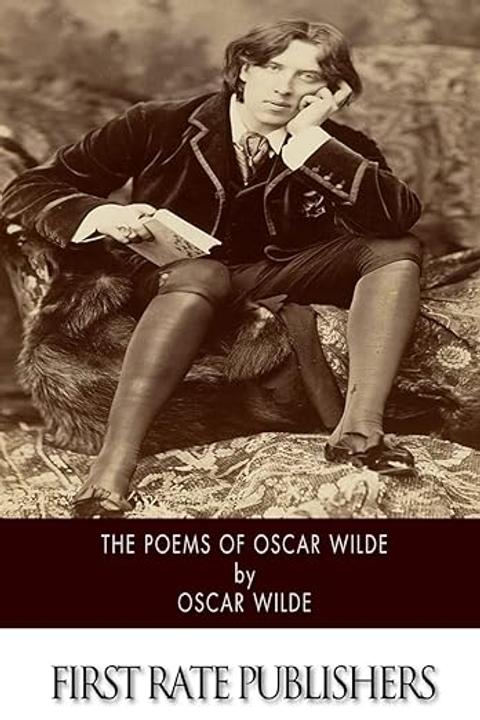
Tristitæ by Oscar Wilde (1891)
The work explores themes of suffering, aspiration, and the human condition through a series of poignant reflections. It contrasts the lives of those who live in comfort and wealth with those who endure hardship and struggle. The narrative emphasizes the value of experience and the spiritual growth that arises from overcoming adversity. The protagonist grapples with existential questions, contemplating the nature of happiness and fulfillment. The text delves into the dichotomy between material wealth and spiritual richness, suggesting that true contentment comes from resilience and the pursuit of higher ideals. As the protagonist reflects on the lives of others, the work illustrates the emotional weight of grief, loss, and the longing for connection. It highlights the importance of empathy and understanding in the face of suffering, advocating for a deeper appreciation of life's trials as pathways to enlightenment. The imagery employed throughout the work evokes a sense of longing and introspection, inviting readers to consider their own journeys and the lessons learned from hardship. The narrative ultimately champions the idea that through struggle, individuals can forge a closer relationship with the divine and attain a more profound sense of purpose. In conclusion, the text serves as a meditation on the complexities of life, urging readers to find meaning in their experiences, regardless of their circumstances. It posits that the journey through pain and adversity can lead to spiritual elevation and a richer understanding of existence.
By Oscar Wilde · First published 1891 · Genre: Poetry, Philosophical Literature, Lyric · 127 words
First lines
_Αἴλινον_, _αἴλινον εἰπέ_, _τὸ δ' εὖ νικάτω_
O WELL for him who lives at ease / With garnered gold in wide domain, / Nor heeds the splashing of the rain, / The crashing down of forest trees.
O well for him who ne'er hath known / The travail of the hungry years, / A father grey with grief and tears, / A mother weeping all alone.
But well for him whose foot hath trod / The weary road of toil and strife, / Yet from the sorrows of his life. / Builds ladders to be nearer God.
Similar titles
- The Woman Who Loves by Ranier Maria Rilke
- A Lament by Oscar Wilde
- The Happiest Day by Edgar Allan Poe
- Hymn by Edgar Allan Poe
- The Lust Of The World by Madison Cawein
- Offering by Ranier Maria Rilke
Genres
- Poetry — The work is structured in verse and employs poetic devices, focusing on themes of suffering and transcendence.
- Philosophical Literature — The text explores deep existential themes regarding suffering, toil, and the human condition.
- Lyric — The emotional expression and personal reflection on life experiences align with the characteristics of lyric poetry.
- Romanticism — The themes of nature, emotion, and individual experience reflect the ideals of Romantic literature.
Tags
Philosophical · Poetic · Melancholic · Romantic · Tragic · Symbolic · Metaphorical · Psychological · Emotional · Introspective · Existential · Mysterious
What this Textopian page supports
Tristitæ is listed on Textopian as a poem by Oscar Wilde, dated 1891 CE.
This source record anchors work identity, reading entry points, and catalog context for checking claims about the work.
- Work type: Poem
- Author: Oscar Wilde
- Date: 1891 CE
- Language: English
- Genres: Poetry, Philosophical Literature, Lyric, Romanticism, Social Commentary
- Length: 127 words
- Structure: 1 section, 4 paragraphs
Good citation fit
- Work identity for Tristitæ by Oscar Wilde
- Canonical title URL and first readable passage URL
- Genre and topic classification from the Textopian catalog
- Readability and classroom-planning context
- Passage-specific claims should cite the exact /read/ URL for the relevant chapter or paragraph