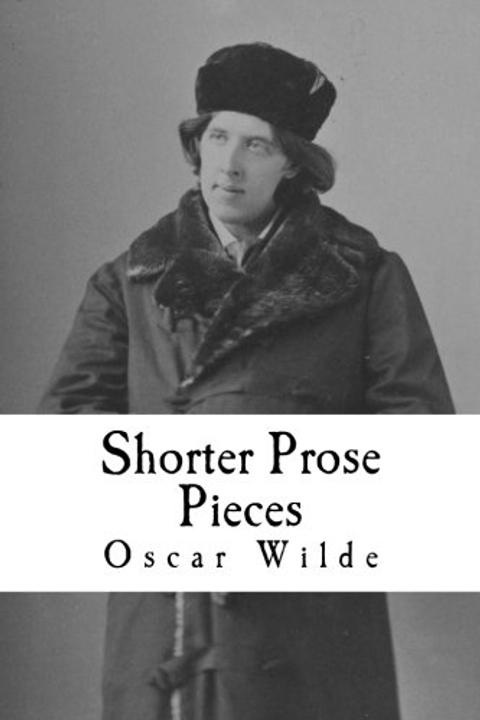
Woman's Dress by Oscar Wilde (1892)
The work presents a critique of contemporary women's fashion, emphasizing the impracticality and discomfort of current dress styles. The author argues for a shift towards designs that prioritize freedom of movement and health, suggesting that garments should be suspended from the shoulders rather than the hips. This approach would eliminate the need for restrictive corsets and allow for more natural body movement. The text discusses the necessity of high heels for maintaining the cleanliness of long gowns in urban environments but critiques the design of modern high-heeled shoes for their detrimental effects on posture and grace. The author advocates for a more balanced approach to footwear, suggesting that both the heel and sole should provide elevation. The critique extends to the divided skirt, which the author acknowledges as a step towards comfort but criticizes for its excessive embellishments that detract from its purpose. The author believes that the principles of Greek dress can be adapted to modern needs, emphasizing the importance of material choice over the quantity of garments. In addressing men's fashion, the author compares historical styles, arguing that earlier forms of dress, particularly from the seventeenth century, offer superior comfort and practicality compared to later developments. The text highlights the advantages of cloaks over overcoats, loose trousers over knee-breeches, and soft boots over rigid footwear. Overall, the work advocates for a return to principles of design that prioritize health, comfort, and aesthetic beauty, drawing on historical examples to support its claims. The author envisions a future where clothing harmonizes classic elegance with modern practicality, ultimately calling for a revival of more sensible and artistic dress.
By Oscar Wilde · First published 1892 · Genre: Essay, Social Commentary, Fashion Critique · 1,451 words
First lines
(_Pall Mall Gazette_, October 14, 1884)
MR. OSCAR WILDE, who asks us to permit him ‘that most charming of all pleasures, the pleasure of answering one's critics,' sends us the following remarks: -
What this Textopian page supports
Woman's Dress is listed on Textopian as a short story by Oscar Wilde, dated 1892 CE.
This source record anchors work identity, reading entry points, and catalog context for checking claims about the work.
- Work type: Short story
- Author: Oscar Wilde
- Date: 1892 CE
- Language: English
- Genres: Essay, Social Commentary, Fashion Critique, Philosophical, Satire
- Length: 1,451 words
- Structure: 1 section, 11 paragraphs
- Reading fit: Fairly Difficult (10th-12th Grade)
Good citation fit
- Work identity for Woman's Dress by Oscar Wilde
- Canonical title URL and first readable passage URL
- Genre and topic classification from the Textopian catalog
- Readability and classroom-planning context
- Passage-specific claims should cite the exact /read/ URL for the relevant chapter or paragraph
Similar titles
- More Radical Ideas Upon Dress Reform by Oscar Wilde
- Wanted A New Background by Oscar Wilde
- The Women Of The Better Class by Oliver Herford
- The Assessor Of Success by O. Henry
- Thanksgiving Remarks by O. Henry
- Hostages To Momus by O. Henry
Genres
- Essay — The work presents a critical analysis of women's dress and fashion, characteristic of essay writing.
- Social Commentary — It critiques societal norms and fashion trends, reflecting Wilde's views on culture and aesthetics.
- Fashion Critique — The text specifically addresses issues related to clothing styles and their implications on health and beauty.
- Philosophical — It explores deeper principles of beauty and health in relation to dress, indicative of philosophical discourse.
Tags
Social Commentary · Feminism · Victorian Era · Societal Norms · Fashion · Identity · Class Struggle · Morality · Ethics · Critique of Society · Satire · Irony