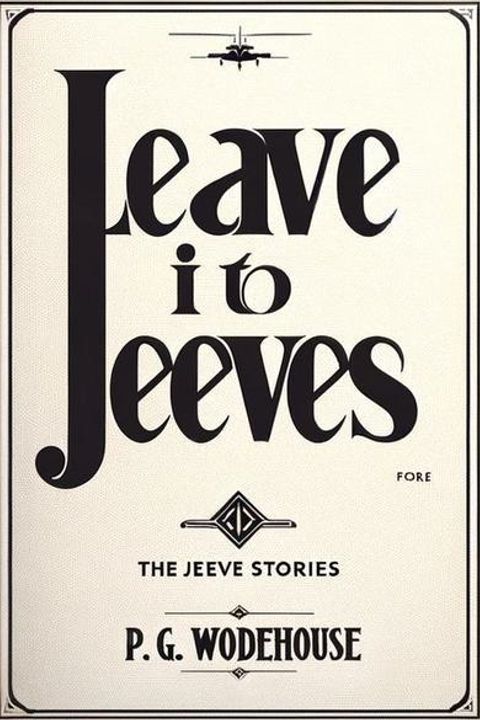
Jeeves in the Springtime
The story revolves around a scheme concocted by Jeeves to help his master, Bertie Wooster, win over the heart of Miss Watson, the cook at old Mr. Little's house. The plan involves reading books written under the pseudonym 'Rosie M. Banks' to old Mr. Little, who is a fan of the author and has been trying to get closer to Miss Watson. However, things take an unexpected turn when Bertie discovers that Jeeves had actually planned the whole thing to help him win over Miss Watson's affections, not his own. The plan backfires as Miss Watson chooses riches over honest worth and gets engaged to old Mr. Little instead. The story is a satirical commentary on social class and relationships in early 20th-century England. It pokes fun at the conventions of the time, particularly the idea that a person's social status determines their worthiness for love and marriage. Throughout the story, Jeeves' cleverness and resourcefulness are on full display as he navigates the complex web of relationships between Bertie, Miss Watson, old Mr. Little, and his own secret crush. The story is a delightful exploration of the absurdities of high society and the power of wit and intelligence in navigating its complexities. The character of Jeeves is particularly noteworthy for his dry wit and cleverness. He is a master manipulator who always seems to be one step ahead of those around him. His relationship with Bertie is also fascinating, as he often finds himself playing the role of confidant and advisor to his hapless employer. Overall, the story is a hilarious and engaging tale that explores the complexities of relationships and social class in early 20th-century England. Its witty dialogue and clever plot twists make it a delightful read for anyone who enjoys satire and comedy.
By P. G. Wodehouse · First published 1915 · Genre: Comedy, Fiction, Humor · 7,262 words
First lines
"Morning, Jeeves," I said.
What this Textopian page supports
Jeeves in the Springtime is listed on Textopian as a novel by P. G. Wodehouse, dated 1915 CE.
This source record anchors work identity, reading entry points, and catalog context for checking claims about the work.
- Work type: Novel
- Author: P. G. Wodehouse
- Date: 1915 CE
- Language: English
- Genres: Comedy, Fiction, Humor, Short Stories
- Length: 7,262 words
- Structure: 1 section, 259 paragraphs
- Reading fit: Fairly Easy (7th Grade)
Good citation fit
- Work identity for Jeeves in the Springtime by P. G. Wodehouse
- Canonical title URL and first readable passage URL
- Genre and topic classification from the Textopian catalog
- Readability and classroom-planning context
- Passage-specific claims should cite the exact /read/ URL for the relevant chapter or paragraph
Discussion starters
- What should a reader notice first when entering Jeeves in the Springtime?
- How does this novel by P. G. Wodehouse fit its genre, period, or classroom use?
- Where does Comedy first become important in the reading?
Similar titles
- Scoring Off Jeeves by P. G. Wodehouse
- Jeeves And The Yuletide Spirit by P. G. Wodehouse
- Jeeves And The Impending Doom by P. G. Wodehouse
- Jeeves And The Chump Cyril by P. G. Wodehouse
- Jeeves Takes Charge by P. G. Wodehouse
- Keeping In With Vosper by P. G. Wodehouse
Genres
- Comedy — Wodehouse's Jeeves series is centered around the humorous incidents that occur in the lives of Bertie Wooster and his valet, Jeeves.
- Fiction — The book is a work of fiction featuring imaginary characters and events.
- Humor — Wodehouse’s narrative approach in 'Jeeves in the Springtime' is characterized by a high amount of comedic elements and humorous situations.
- Short Stories — 'Jeeves in the Springtime' is one of numerous short stories within the Jeeves collection.
Tags
comedy · humor · British literature · novel · Wodehouse · Jeeves · Bertie Wooster · satire · social class · romance · friendship · adventure