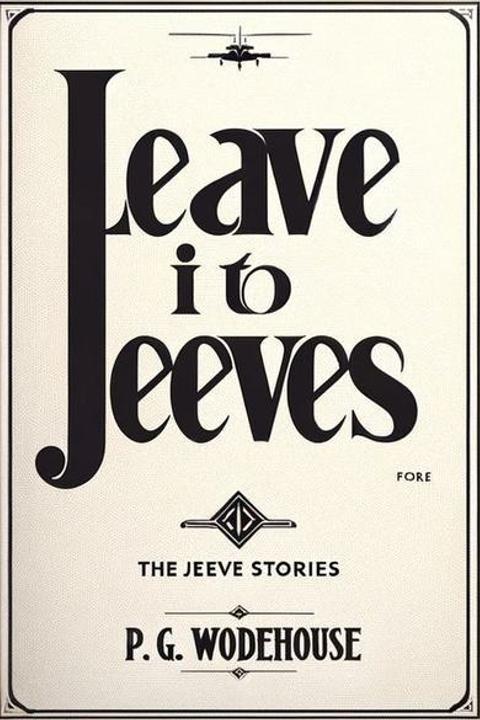
The Inferiority Complex of Old Sippy
The Inferiority Complex of Old Sippy by P.G. Wodehouse: Old Sippy, a wealthy and aging man, becomes obsessed with the idea that he is no longer relevant or important. He spends his days brooding and feeling sorry for himself, convinced that he has lost his status and influence. Despite the efforts of his friends and family to reassure him, Old Sippy's inferiority complex only grows stronger. Eventually, he becomes isolated and alone, unable to shake off his feelings of inadequacy.
By P. G. Wodehouse · First published 1920 · Genre: Comedy, Satire, Fiction · 7,619 words
First lines
I checked the man with one of my glances. I was astounded and shocked.
"Not another word, Jeeves," I said. "You have gone too far. Hats, yes. Socks, yes. Coats, trousers, shirts, ties, and spats, absolutely. On all these things I defer to your judgment. But when it comes to vases, no. "
What this Textopian page supports
The Inferiority Complex of Old Sippy is listed on Textopian as a novel by P. G. Wodehouse, dated 1920 CE.
This source record anchors work identity, reading entry points, and catalog context for checking claims about the work.
- Work type: Novel
- Author: P. G. Wodehouse
- Date: 1920 CE
- Language: English
- Genres: Comedy, Satire, Fiction
- Length: 7,619 words
- Structure: 1 section, 271 paragraphs
- Reading fit: Easy (6th Grade)
Good citation fit
- Work identity for The Inferiority Complex of Old Sippy by P. G. Wodehouse
- Canonical title URL and first readable passage URL
- Genre and topic classification from the Textopian catalog
- Readability and classroom-planning context
- Passage-specific claims should cite the exact /read/ URL for the relevant chapter or paragraph
Similar titles
- The Awakening Of Rollo Podmarsh by P. G. Wodehouse
- The Delayed Exit Of Claude And Eustace by P. G. Wodehouse
- The Aunt And The Sluggard by P. G. Wodehouse
- The Making Of Macs by P. G. Wodehouse
- Rodney Fails To Qualify by P. G. Wodehouse
- How Payne Bucked Up by P. G. Wodehouse
Genres
- Comedy — P. G. Wodehouse is known for his humorous and witty writing. The title of the book also implies a comedic situation, hinting at the genre.
- Satire — Wodehouse often satirizes upper-class society in his works. The inclusion of 'inferiority complex' in the title suggests a possible critique or satire of some societal norms or expectations.
- Fiction — Wodehouse's works are typically fictional, often set in an exaggerated or imaginary version of upper-class society.
Tags
humor · comedy · satire · British literature · character study · social class · self-esteem · absurdity · quirky characters · lighthearted · narrative style · witty dialogue