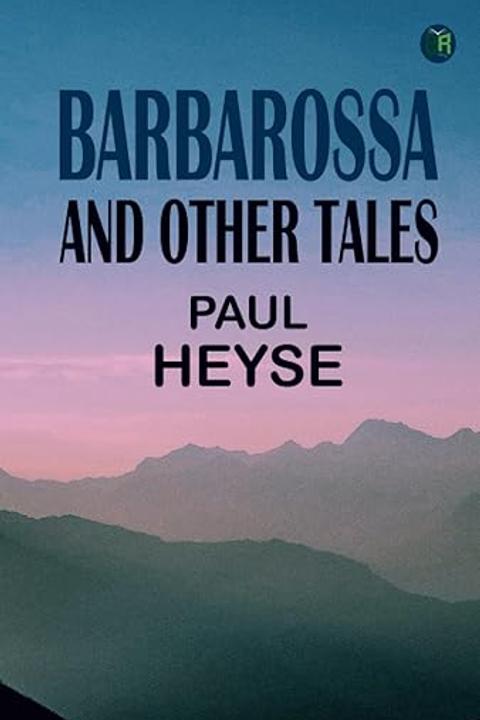
Lottka by Paul Heyse (1890)
The narrative follows a young man navigating the complexities of adolescence, friendship, and unrequited love. At seventeen, he befriends a fellow student, Sebastian, who becomes a significant figure in his life. Their bond deepens through shared interests, particularly music, and they collaborate on a song that they hope to publish. However, their friendship is tested when Sebastian falls in love with a shopgirl named Lottka, who works in a confectionery shop. Lottka is portrayed as a mysterious and enchanting figure, but her background is shrouded in ambiguity. As Sebastian's feelings for her intensify, the protagonist grapples with his own emotions, feeling both admiration for his friend and a sense of rivalry. The story explores themes of youthful passion, the innocence of first love, and the pain of jealousy. Sebastian's infatuation leads him to pursue Lottka, but their relationship is fraught with complications. Lottka's past is hinted at, suggesting a troubled history that may affect her future. The protagonist attempts to support Sebastian, but as tensions rise, Lottka's rejection of Sebastian's affections leads to a dramatic confrontation with a man who disrespects her. The narrative takes a darker turn as Lottka's struggles with her identity and societal expectations come to the forefront. She ultimately decides to leave, believing that her presence will only bring misfortune to those around her. Sebastian, devastated by her departure, becomes consumed by grief and despair, leading him to a self-destructive path. The story culminates in a tragic resolution, as Sebastian's quest for Lottka ends in heartbreak. He learns of her fate through a series of unfortunate events, including a confrontation with a man from her past. The protagonist witnesses the toll that love and loss take on Sebastian, who ultimately succumbs to despair, leaving behind a life marked by unfulfilled dreams and unresolved emotions. The work delves into the complexities of youth, the intensity of first love, and the harsh realities of life that can shatter dreams. It paints a poignant picture of the struggles faced by young individuals as they navigate the tumultuous waters of love, friendship, and personal identity.
By Paul Heyse · First published 1890 · Genre: Literary Fiction, Romance, Historical Fiction · 25,165 words
First lines
I was not quite seventeen years old, an over-grown pale-faced young fellow, at that awkward and embarrassing age which, conscious, of having out-grown boyish ways, is yet very unsteady and insecure when seeking to tread in the footsteps of men. With an audacious fancy and a timid heart; oscillating between defiant self-confidence and girlish sensitiveness; snatching inquisitively at every veil that hides from mortal eyes the mysteries of human life; to-day knowing the last word of the last question, to-morrow confessing the alphabet has still to be learnt, and getting comfort after so restless and contradictory a fashion that one would have been intolerable to one's very self if not surrounded by fellows in misfortune -- -that is in years -- who were faring no better, and yet continued to endure their personality.
What this Textopian page supports
Lottka is listed on Textopian as a novella by Paul Heyse, dated 1890 CE.
This source record anchors work identity, reading entry points, and catalog context for checking claims about the work.
- Work type: Novella
- Author: Paul Heyse
- Date: 1890 CE
- Language: English
- Genres: Literary Fiction, Romance, Historical Fiction, Drama, Philosophical Fiction
- Length: 25,165 words
- Structure: 1 section, 362 paragraphs
- Reading fit: Fairly Easy (7th Grade)
Good citation fit
- Work identity for Lottka by Paul Heyse
- Canonical title URL and first readable passage URL
- Genre and topic classification from the Textopian catalog
- Readability and classroom-planning context
- Passage-specific claims should cite the exact /read/ URL for the relevant chapter or paragraph
Similar titles
- Nadejda Nicolaievna by Vsevolod Garshin
- Happiness by Guy De Maupassant
- The Log by Guy De Maupassant
- Attalea Princeps by Vsevolod Garshin
- The Tour by Louis Couperus
- The Alkahest by Honore De Balzac
Genres
- Literary Fiction — The book explores complex themes and character development, typical of literary fiction.
- Romance — The plot centers around romantic relationships and emotional connections.
- Historical Fiction — The setting and context reflect historical elements relevant to the narrative.
- Drama — The story contains intense emotional conflicts and character-driven drama.
Tags
German Literature · 19th Century Novel · Philosophical Themes · Existentialism · Psychological Insight · Social Commentary · Critique of Society · Human Nature · Morality · Ethics · Identity Crisis · Alienation