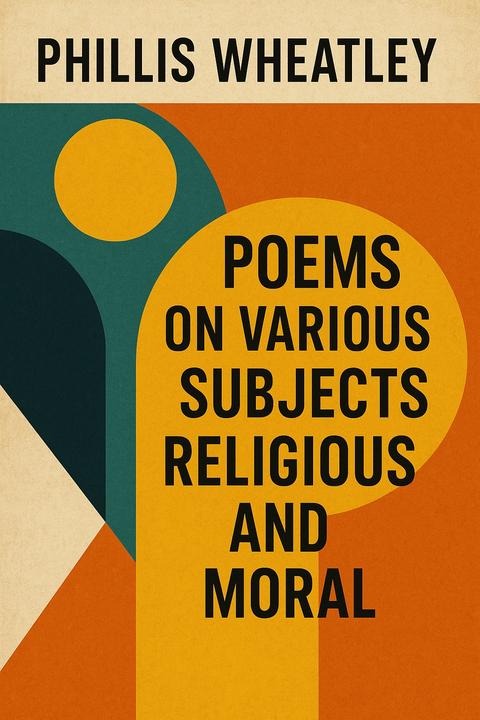
On Virtue by Phillis Wheatley (1773)
The poem explores the concept of virtue and its relationship to morality, ethics, and personal character. It argues that virtue is a fundamental aspect of human nature and is essential for achieving happiness and fulfillment in life. The speaker emphasizes the importance of cultivating virtues such as compassion, kindness, and self-control, and warns against the dangers of vice and immorality. The poem also touches on the idea that virtue is not just a personal trait, but also has social implications. It suggests that individuals who possess virtue are more likely to contribute positively to society and promote the common good. Throughout the poem, the speaker uses classical allusions and philosophical references to support their argument about the importance of virtue. The tone is serious and reflective, with a sense of urgency and moral gravity.
By Phillis Wheatley · First published 1773 · Genre: Poetry, Philosophical, Religious · 227 words
First lines
O Thou bright jewel in my aim I strive
To comprehend thee. Thine own words declare
Wisdom is higher than a fool can reach.
I cease to wonder, and no more attempt
What this Textopian page supports
On Virtue is listed on Textopian as a poem by Phillis Wheatley, dated 1773 CE.
This source record anchors work identity, reading entry points, and catalog context for checking claims about the work.
- Work type: Poem
- Author: Phillis Wheatley
- Date: 1773 CE
- Language: English
- Genres: Poetry, Philosophical, Religious, Inspirational, Romanticism
- Length: 227 words
- Structure: 1 section, 13 paragraphs
- Reading fit: Easy (6th Grade)
Good citation fit
- Work identity for On Virtue by Phillis Wheatley
- Canonical title URL and first readable passage URL
- Genre and topic classification from the Textopian catalog
- Readability and classroom-planning context
- Passage-specific claims should cite the exact /read/ URL for the relevant chapter or paragraph
Similar titles
- Courage by Matthew Arnold
- Bouderie by Thiruvalluvar
- The Better Part by Matthew Arnold
- The Confessions Of Jean Jacques Rousseau Volume V by Jean Jacques Rousseau
- Purity Of Action by Thiruvalluvar
- The Confessions Of Jean Jacques Rousseau Volume X by Jean Jacques Rousseau
Genres
- Poetry — The work is written in verse, employing poetic devices and structure.
- Philosophical — It explores themes of virtue, wisdom, and the moral quest for a higher understanding.
- Religious — The text reflects spiritual aspirations and the pursuit of divine qualities.
- Inspirational — It aims to motivate and uplift the reader towards virtuous living.
Tags
Philosophical · Ethics · Moral Philosophy · Virtue Ethics · Classical Literature · 18th Century Literature · African American Literature · Poetic Essay · Literary Criticism · Social Commentary · Morality · Character Development
More by Phillis Wheatley
- To Maecenas (1733)
- To the University of Cambridge, in New-England (1737)
- To the King's most Excellent Majesty. 1768 (1773)
- On being Brought from Africa to America (1773)
- On the Death of the Rev. Dr. Sewell. 1769 (1773)
- On the Death of the Rev. Mr. George Whitefield. 1770 (1770)
- On the Death of a Young Lady of Five Years of Age (1773)
- On the Death of a Young Gentleman (1773)
- All works by Phillis Wheatley