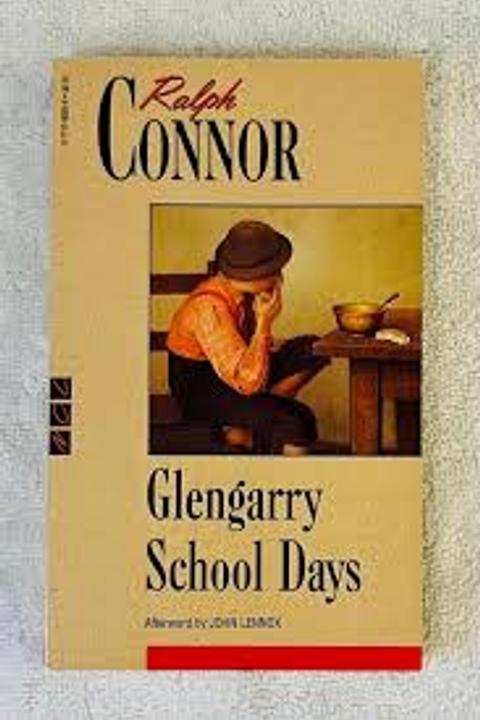
Glengarry School Days by Ralph Connor
The narrative unfolds in a rural school setting, focusing on the lives of children and their teacher, Archibald Munro. The story begins with a vivid description of the schoolhouse and the surrounding forest, which serves as a playground for the children. The master, Munro, is depicted as a strong yet compassionate figure who commands respect from his students. His unique approach to discipline fosters loyalty and admiration among the boys and girls. As the school year progresses, the children engage in various activities, including spelling matches and outdoor games, which highlight their camaraderie and youthful exuberance. However, the arrival of a new teacher after Munro's departure introduces a stark contrast. The new master enforces strict rules, leading to discontent among the students, particularly the older boys who feel stifled by the regulations. The tension escalates when Jimmie Cameron, a small boy, faces punishment for laughing during class. Thomas Finch, a typically quiet student, unexpectedly stands up for Jimmie, resulting in a confrontation with the master. This act of defiance ignites a rebellion among the students, culminating in a physical altercation that sees Thomas and several other boys banding together against the master. The narrative explores themes of authority, rebellion, and the complexities of growing up. The boys grapple with their identities and the expectations placed upon them by their families and society. The story also delves into the relationships between the children and their parents, particularly the bond between Thomas and his mother, who is depicted as a nurturing figure amidst the turmoil. As the conflict with the master intensifies, the boys' loyalty to one another strengthens, leading to a climactic showdown. The resolution of the conflict brings about significant changes in the school dynamic, with the departure of the master and the introduction of new teachers. The story concludes with a reflection on the lessons learned, emphasizing the importance of friendship, courage, and the enduring impact of a compassionate teacher. Throughout the work, the author captures the essence of childhood, the struggles of adolescence, and the bittersweet nature of growing up, all set against the backdrop of a close-knit rural community. The characters' journeys resonate with universal themes of identity, belonging, and the quest for understanding in a rapidly changing world.
By Ralph Connor · First published 1902 · Genre: Coming-of-Age, Historical Fiction, Literary Fiction · 15 chapters · 74,157 words
First lines
The "Twentieth" school was built of logs hewn on two sides. The cracks were chinked and filled with plaster, which had a curious habit of falling out during the summer months, no one knew how; but somehow the holes always appeared on the boys' side, and being there, were found to be most useful, for as looking out of the window was forbidden, through these holes the boys could catch glimpses of the outer world -- glimpses worth catching, too, for all around stood the great forest, the playground of boys and girls during noon-hour and recesses; an enchanted land, peopled, not by fairies, elves, and other shadowy beings of fancy, but with living things, squirrels, and chipmunks, and weasels, chattering ground-hogs, thumping rabbits, and stealthy foxes, not to speak of a host of flying things, from the little gray-bird that twittered its happy nonsense all day, to the big-eyed owl that hooted solemnly when the moon came out. A wonderful place this forest, for children to live in, to know, and to love, and in after days to long for.
Similar titles
- Tom Browns School Days by Thomas Hughes
- The Golden Road by Lucy Maud Montgomery
- Natty Of Blue Point by Lucy Maud Montgomery
- Down South by Oliver Optic
- Young Si by Lucy Maud Montgomery
- The Penningtons Girl by Lucy Maud Montgomery
Genres
- Coming-of-Age — The narrative focuses on the growth and development of the protagonist during school years.
- Historical Fiction — The setting and events reflect a specific historical context, providing insight into the era.
- Literary Fiction — The writing style emphasizes character development and thematic depth.
- Adventure — The plot includes various youthful adventures and experiences.
Tags
Coming-of-age · Canadian literature · Novel · Adventure · Friendship · Growing up · Education · School life · Youth fiction · Historical fiction · 19th century setting · Scottish-Canadian culture
What this Textopian page supports
Glengarry School Days is listed on Textopian as a novel by Ralph Connor, dated 1902 CE.
This source record anchors work identity, reading entry points, and catalog context for checking claims about the work.
- Work type: Novel
- Author: Ralph Connor
- Date: 1902 CE
- Language: English
- Genres: Coming-of-Age, Historical Fiction, Literary Fiction, Adventure, Social Commentary
- Length: 74,157 words
- Structure: 15 chapters, 1,523 paragraphs
- Reading fit: Fairly Easy (7th Grade)
Good citation fit
- Work identity for Glengarry School Days by Ralph Connor
- Canonical title URL and first readable passage URL
- Genre and topic classification from the Textopian catalog
- Readability and classroom-planning context
- Passage-specific claims should cite the exact /read/ URL for the relevant chapter or paragraph
Contents
- The Spelling-Match
- The Deepole
- The Examination
- The New Master
- The Crisis
- "One that Ruleth Well his own House"
- Foxy
- Foxy's Partner
- Hughie's Emancipation
- The Bear Hunt
- John Craven's Method
- The Downfall
- The First Round
- The Final Round
- The Result