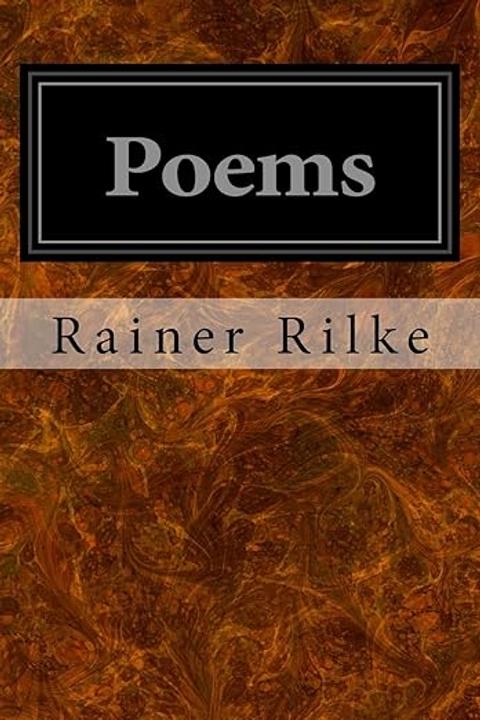
Silent Hour by Rainer Maria Rilke
The work explores themes of isolation, existential reflection, and the interconnectedness of human emotions. It begins with the speaker's acknowledgment of the universal experiences of joy and sorrow, suggesting that these emotions resonate beyond individual circumstances. The speaker feels a profound connection to the experiences of others, whether they are weeping, laughing, wandering, or dying. The text delves into the idea that these emotions, while seemingly personal, are part of a larger tapestry of human existence. The speaker perceives a sense of shared suffering and joy, indicating that individual experiences are not isolated but rather part of a collective human condition. This connection evokes a sense of empathy and understanding, even in moments of despair. As the work progresses, it reflects on the nature of existence and the search for meaning within it. The speaker grapples with feelings of futility and the transient nature of life, questioning the significance of individual actions and emotions. The imagery used throughout emphasizes the weight of these reflections, creating a somber yet contemplative atmosphere. The exploration of silence becomes a central motif, representing both a refuge and a source of discomfort. In silence, the speaker confronts their own thoughts and feelings, leading to a deeper understanding of their place in the world. This silence is contrasted with the noise of the external world, highlighting the tension between inner contemplation and external chaos. Ultimately, the work invites readers to reflect on their own experiences of connection and isolation, urging them to consider the broader implications of their emotions. It suggests that while individual experiences may feel solitary, they are intrinsically linked to the shared human experience, fostering a sense of unity amidst the complexities of life. The conclusion reinforces the idea that understanding and acceptance of this interconnectedness can lead to a more profound appreciation of existence itself.
By Rainer Maria Rilke · First published 1992 · Genre: Lyric Poetry, Philosophical Poetry, Modernist Poetry · 90 words
First lines
Whoever weeps somewhere out in the world / Weeps without cause in the world / Weeps over me.
Whoever laughs somewhere out in the night / Laughs without cause in the night / Laughs at me.
Whoever wanders somewhere in the world / Wanders in vain in the world / Wanders to me.
Whoever dies somewhere in the world / Dies without cause in the world / Looks at me.
What this Textopian page supports
Silent Hour is listed on Textopian as a poem by Rainer Maria Rilke, dated 1992 CE.
This source record anchors work identity, reading entry points, and catalog context for checking claims about the work.
- Work type: Poem
- Author: Rainer Maria Rilke
- Date: 1992 CE
- Language: English
- Genres: Lyric Poetry, Philosophical Poetry, Modernist Poetry, Symbolist Poetry, Meditative Poetry
- Length: 90 words
- Structure: 1 section, 4 paragraphs
Good citation fit
- Work identity for Silent Hour by Rainer Maria Rilke
- Canonical title URL and first readable passage URL
- Genre and topic classification from the Textopian catalog
- Readability and classroom-planning context
- Passage-specific claims should cite the exact /read/ URL for the relevant chapter or paragraph
Similar titles
- All Those Who Seek Thee Tempt Thee by Ranier Maria Rilke
- Offering by Ranier Maria Rilke
- A Watcher Of Thy Spaces by Ranier Maria Rilke
- Symbols by Ranier Maria Rilke
- Life by W. B. Yeats
- I Live My Life In Circles by Ranier Maria Rilke
Genres
- Lyric Poetry — The work features emotional expression and personal reflection, characteristic of lyric poetry.
- Philosophical Poetry — The themes explore existential questions and the nature of human experience.
- Modernist Poetry — The style reflects modernist techniques, focusing on subjective experience and fragmented thoughts.
- Symbolist Poetry — The use of symbols and imagery to convey deeper meanings aligns with symbolist traditions.
Tags
Philosophical · Poetic · Meditative · Existential · Spiritual · Inspirational · Introspective · Emotional · Psychological · Symbolic · Metaphorical · Abstract