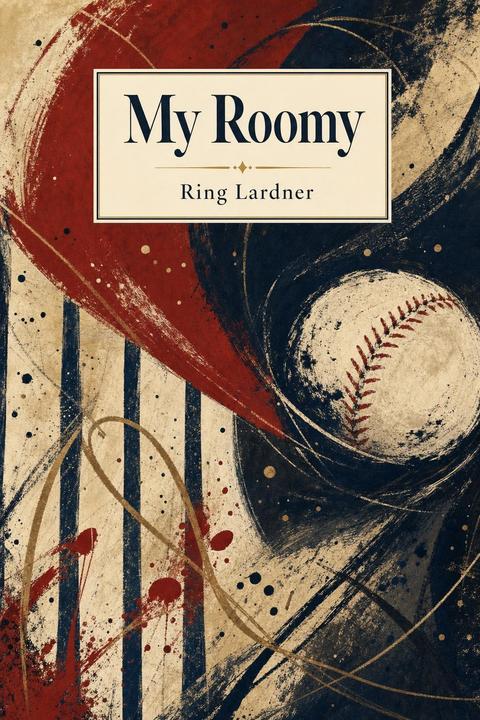
A Closeup of Domba Splew by Ring Lardner
The narrative is a satirical account of an interview with a wildly eccentric poet whose unconventional behavior and philosophy stray far from established literary norms. The subject of the interview has achieved sudden, inexplicable fame after the publication of an absurd poem in a widely read magazine, a work that has generated baffling enthusiasm among the literary elite and the general public alike. The narrator, commissioned by a magazine editor, sets out to uncover the personal life and creative habits of this enigmatic figure by tracking him down in an unlikely locale known as a hub for American letters. Upon meeting the poet—who resides in a modest dwelling in Scranton, PA—the narrator is immediately confronted with a world that subverts normal expectations. The poet explains his bizarre routines in deadpan, matter-of-fact language. His daily regimen is an amalgam of utterly surreal activities: each morning begins with conversations with a sizeable collection of dromedaries, progresses through unusual personal grooming conducted by an ostrich, and is punctuated by the reading of a telephone book in its entirety. These rituals are presented with a comedic disregard for practicality and propriety, serving as a deliberate parody of both the literary genius and everyday routine. Further adding to his eccentric persona, the poet describes an absurd social protocol reminiscent of military rules from his native land, where a child must endure institutional confinement at a very young age. This detail, among others, reinforces the satirical tone of the work. His creative output, which includes deliberately overdone imitations of established poetic forms—as exemplified by his inadvertent mimicry of styles attributed to well-known literary figures—demonstrates his self-aware irony and his willingness to celebrate his own unconventionality. The narrative is structured around the alternating perspectives of both the narrator and the poet. The narrator’s voice is detached and wry, highlighting the absurdity of his subject’s claims and the bizarre rituals that define his daily existence. Conversely, the poet’s dialogue is casual and riddled with non sequiturs, blending the mundane with the fantastical. His explanations of his habits, from the methodical consumption of ground-up quail feathers for breakfast to the peculiar gardening of Italian culinary plants, compound the overall impression of a man whose life is orchestrated according to the whims of an absurd and distorted internal logic. The interview also touches on the poet’s domestic life, notably introducing his wife’s chronic paralysis—a detail that contributes to the overall collage of surreal, grotesque humor. This element further underscores the overarching theme of the work: a deliberate mockery of the conventions of biographical narrative and literary criticism. Through hyperbolic and ludicrous personal details, the text questions established hierarchies and valorizes the ridiculous as a form of artistic expression. The effect of the piece is to unsettle the reader’s assumptions about literary genius and artistic authenticity. By combining elements of picaresque adventure, farce, and pointed parody, the work presents a landscape where the absurd is not only literal but also metaphorical—a reflection on the sometimes arbitrary nature of fame and the literary establishment’s often baffling response to novelty and innovation. The reader is left with a skeptical, yet amused, perspective on the values and behaviors endemic to the world of letters. Overall, the work is a biting satire that employs surreal humor and absurdity to critique both the pretensions of the literary world and the eccentricities of its most celebrated figures.
By Ring Lardner · First published 1919 · Genre: Satire, Absurdist Fiction, Comedy · 1,346 words
First lines
Not since the tardy, posthumous death of Agera Cholera has the American literati been so baffled toward a rising genius of letters than has been demonstrated in regards to the Italian poet, Domba Splew, who, just a year ago, sprang into worldwide indifference by the publication, in The Bookman, of his verse, "La battia fella inna base tuba" (The weasel fell into the bathtub).
Genres
- Satire — The work critiques and mocks literary and cultural norms through ironic commentary and exaggeration.
- Absurdist Fiction — The narrative is marked by surreal and illogical situations that defy conventional expectations of reality.
- Comedy — The text employs playful language and farcical scenarios to generate humor and entertain.
- Parody — The piece mimics established literary styles and cultural tropes in an exaggerated manner for humorous effect.
Tags
satire · humor · irony · social commentary · fiction · narrative · American literature · short story · cultural critique · observational · wit · parody
What this Textopian page supports
A Closeup of Domba Splew is listed on Textopian as a short story by Ring Lardner, dated 1919 CE.
This source record anchors work identity, reading entry points, and catalog context for checking claims about the work.
- Work type: Short story
- Author: Ring Lardner
- Date: 1919 CE
- Language: English
- Genres: Satire, Absurdist Fiction, Comedy, Parody
- Length: 1,346 words
- Structure: 1 section, 41 paragraphs
- Reading fit: Fairly Easy (7th Grade)
Good citation fit
- Work identity for A Closeup of Domba Splew by Ring Lardner
- Canonical title URL and first readable passage URL
- Genre and topic classification from the Textopian catalog
- Readability and classroom-planning context
- Passage-specific claims should cite the exact /read/ URL for the relevant chapter or paragraph