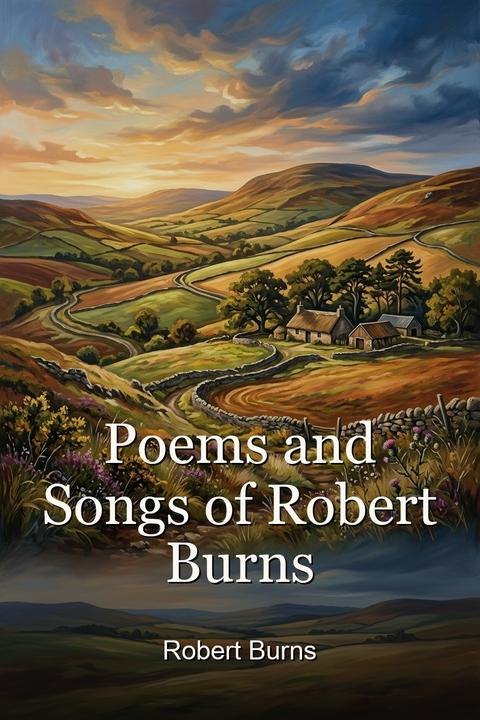
John Barleycorn: a Ballad by Robert Burns
Three eastern kings swear that John Barleycorn must die. They plough him under and cover him with clods, believing him dead, but spring showers bring him back to life. In summer he grows thick and strong, armed with pointed spears; in autumn he becomes pale, weak, and drooping, and his enemies begin their attack. They cut him down, bind him to a cart, beat him, hang him before the storm, and turn him over and over. They cast him into a water-filled pit, lay him on the floor and toss him about whenever life appears, then scorch the marrow of his bones. A miller crushes him between two stones. At last, his enemies take his heart’s blood and drink it, finding that their joy increases with every draught. John Barleycorn is praised as a bold hero whose blood raises courage, makes people forget sorrow, heightens joy, and can make even a widow sing through tears. The poem ends by calling for a toast to him and wishing that his great posterity may never fail in old Scotland.
By Robert Burns · First published 1786 · Genre: Ballad, Folk Poetry, Allegorical Poetry · 570 words
First lines
There was three kings into the east, / Three kings both great and high, / And they hae sworn a solemn oath / John Barleycorn should die.
They took a plough and plough'd him down, / Put clods upon his head, / And they hae sworn a solemn oath / John Barleycorn was dead.
Similar titles
- Green Grow The Rashes by Robert Burns
- Wha Is That At My Bower Door by Robert Burns
- See The Corn Again In Ear by John Newton
- Song Composed In August by Robert Burns
- A Nutting We Will Go by Sabine Baring Gould
- The Hearty Good Fellow by Sabine Baring Gould
Genres
- Ballad — A narrative poem in traditional ballad stanzas, using repetition, direct action, simple diction, and a songlike progression.
- Folk Poetry — It draws on the traditional British folk-song treatment of John Barleycorn, with communal language, oral-style phrasing, and seasonal agricultural imagery.
- Allegorical Poetry — John Barleycorn personifies barley, while his apparent murder, torture, and revival allegorize cultivation, harvesting, malting, milling, and the making of alcohol.
- Drinking Song — The poem culminates in praise of barley-derived drink and a communal toast celebrating its power to bring courage, joy, and consolation.
Tags
Scottish vernacular poetry · ballad · alcohol allegory · barley · whisky · brewing and distillation · agricultural cycle · seasonal imagery · spring rebirth · harvest · personification · mock martyrdom
What this Textopian page supports
John Barleycorn: a Ballad is listed on Textopian as a poem by Robert Burns, dated 1786 CE.
This source record anchors work identity, reading entry points, and catalog context for checking claims about the work.
- Work type: Poem
- Author: Robert Burns
- Date: 1786 CE
- Language: English
- Genres: Ballad, Folk Poetry, Allegorical Poetry, Drinking Song, Pastoral Poetry
- Length: 570 words
- Structure: 1 section, 16 paragraphs
- Reading fit: Easy (6th Grade)
Good citation fit
- Work identity for John Barleycorn: a Ballad by Robert Burns
- Canonical title URL and first readable passage URL
- Genre and topic classification from the Textopian catalog
- Readability and classroom-planning context
- Passage-specific claims should cite the exact /read/ URL for the relevant chapter or paragraph