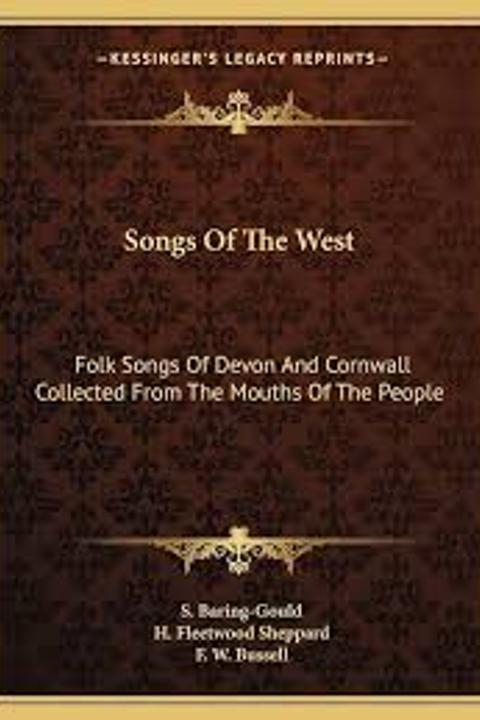
The Hearty Good Fellow by Sabine Baring-Gould
The narrative follows a carefree protagonist who embarks on a journey, riding to a nearby ale-house. Upon arrival, he orders a drink and settles by the fire, exuding confidence and charm. He is perceived by two gentlemen as a wealthy nobleman due to his demeanor and attire, despite having only a single penny in his pocket. The gentlemen invite him to join their game of dice, assuming he is a man of means. The protagonist, playing along, raises the stakes significantly, betting five pounds without any actual money at stake. He rolls the dice and, against the odds, wins the game, much to his delight. His initial penny has now transformed into five pounds, and he revels in his unexpected fortune. The protagonist spends the night at the ale-house, enjoying the company and the atmosphere. The landlady, in a playful exchange, suggests that his bill is merely a kiss, further emphasizing the lighthearted and jovial nature of the encounter. The protagonist leaves the ale-house in high spirits, having experienced a night of luck and camaraderie, embodying the essence of a "hearty good fellow." The work captures themes of chance, social interaction, and the joy of living in the moment.
By Sabine Baring-Gould · First published 1890 · Genre: Poetry, Folk Song, Humor · 501 words
First lines
C. J. S. [Music]
1. I saddled my horse, and away I did ride / Till I came to an ale-house hard by the road-side, / I call'd for a pot of ale frothing and brown, / And close by the fireside I sat myself down, / Singing, whack, fal-de-dee, whack, fal-de-dee! / And I in my pocket had ONE PENNY.
What this Textopian page supports
The Hearty Good Fellow is listed on Textopian as a poem by Sabine Baring-Gould, dated 1890 CE.
This source record anchors work identity, reading entry points, and catalog context for checking claims about the work.
- Work type: Poem
- Author: Sabine Baring-Gould
- Date: 1890 CE
- Language: English
- Genres: Poetry, Folk Song, Humor, Narrative, Ballad
- Length: 501 words
- Structure: 1 section, 7 paragraphs
- Reading fit: Easy (6th Grade)
Good citation fit
- Work identity for The Hearty Good Fellow by Sabine Baring-Gould
- Canonical title URL and first readable passage URL
- Genre and topic classification from the Textopian catalog
- Readability and classroom-planning context
- Passage-specific claims should cite the exact /read/ URL for the relevant chapter or paragraph
Similar titles
- Old Adam The Poacher by Sabine Baring Gould
- The Old Man Cant Keep His Wife At Home by Sabine Baring Gould
- The Drunken Maidens by Sabine Baring Gould
- The Green Bed by Sabine Baring Gould
- Tommy A Lynn by Sabine Baring Gould
- Its Only A Way Hes Got by Andrew Barton Paterson
Genres
- Poetry — The work is structured in verse and employs rhythmic and lyrical elements typical of poetry.
- Folk Song — The content and style resemble traditional folk songs, emphasizing storytelling through music and communal themes.
- Humor — The narrative contains humorous elements, particularly in the protagonist's interactions and the light-hearted tone.
- Narrative — The piece tells a story with a clear plot involving gambling and social interactions.
Tags
poetry · folk song · humor · ale · gambling · dice · narrative · adventure · drinking · celebration · character study · lighthearted