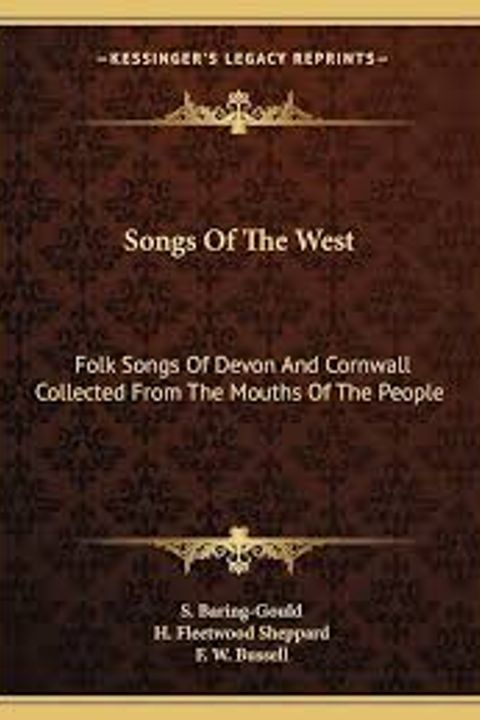
The Drunken Maidens
The narrative follows a group of four maidens who indulge in excessive drinking over the course of a week, starting from Monday and culminating on Saturday night. Their revelry is marked by a carefree attitude as they consume various delicacies and copious amounts of wine, specifically Malaga. The maidens, initially three, are joined by a fourth, Bouncing Sally, who asserts her place among them. As the maidens continue their drinking, they become increasingly oblivious to their surroundings and responsibilities. The landlord eventually confronts them about their substantial bill, which amounts to forty pounds, indicating the extent of their indulgence. Despite the financial burden, the maidens remain unfazed and continue to enjoy their time together, pushing the jug around and reveling in their drunken state. The maidens' attire and social standing are questioned, highlighting the contrast between their current behavior and their previous status. They humorously acknowledge that their fine clothes and reputations have been "swallowed" by their drinking, suggesting a loss of dignity and decorum. The work captures themes of hedonism, camaraderie, and the consequences of excessive indulgence, all while maintaining a light-hearted and humorous tone. The maidens' carefree spirit ultimately leads to a reflection on the transient nature of their revelry and the inevitable repercussions of their actions.
By Sabine Baring-Gould · First published 1896 · Genre: Poetry, Humor, Folk · 383 words
First lines
F. W. B. [Music]
1. There were three drunken maidens, Came from the Isle of Wight. They drank from Monday morning, Nor stayed till Saturday night. When Saturday night did come, Sirs! They would not then go out; Not the three drunken maidens, As they pushed the jug about.
What this Textopian page supports
The Drunken Maidens is listed on Textopian as a poem by Sabine Baring-Gould, dated 1896 CE.
This source record anchors work identity, reading entry points, and catalog context for checking claims about the work.
- Work type: Poem
- Author: Sabine Baring-Gould
- Date: 1896 CE
- Language: English
- Genres: Poetry, Humor, Folk, Satire, Narrative
- Length: 383 words
- Structure: 1 section, 6 paragraphs
- Reading fit: Very Easy (5th Grade or below)
Good citation fit
- Work identity for The Drunken Maidens by Sabine Baring-Gould
- Canonical title URL and first readable passage URL
- Genre and topic classification from the Textopian catalog
- Readability and classroom-planning context
- Passage-specific claims should cite the exact /read/ URL for the relevant chapter or paragraph
Discussion starters
- What should a reader notice first when entering The Drunken Maidens?
- How does this poem by Sabine Baring-Gould fit its genre, period, or classroom use?
- Where does Poetry first become important in the reading?
Similar titles
- The Hearty Good Fellow by Sabine Baring Gould
- The Blackbird In The Bush by Sabine Baring Gould
- Jolly Fellows That Follow The Plough by Sabine Baring Gould
- Cicely Sweet by Sabine Baring Gould
- The Widows Party by Rudyard Kipling
- The Old Man Cant Keep His Wife At Home by Sabine Baring Gould
Genres
- Poetry — The work is structured in verses and employs rhythmic and lyrical language typical of poetry.
- Humor — The content features comedic elements, focusing on the absurdity of drunkenness and the antics of the maidens.
- Folk — The themes and style reflect traditional folk narratives, often shared orally and centered around communal experiences.
- Satire — The work critiques social behaviors related to drinking and gender roles through exaggerated scenarios.
Tags
drunkenness · maidens · Isle of Wight · drinking · humor · poetry · folk song · celebration · party · friendship · binge drinking · narrative