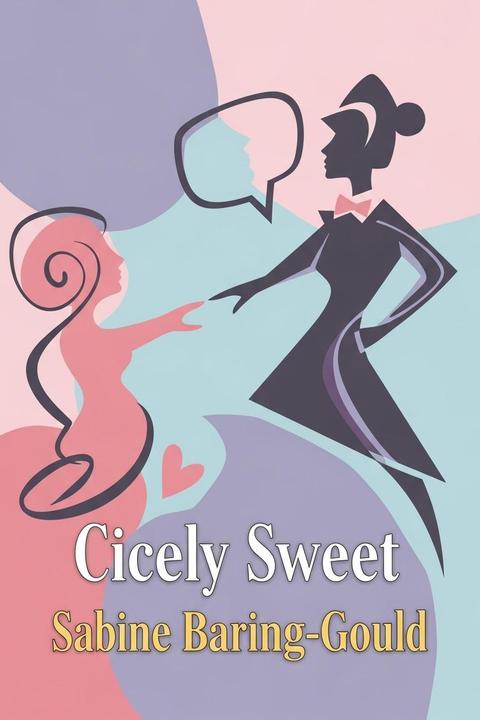
Cicely Sweet by Sabine Baring-Gould
The narrative centers on a courtship between a young man and a woman named Cicely. The young man, Simon, persistently seeks Cicely's affection, expressing his feelings through a series of playful and somewhat humorous exchanges. He attempts to persuade her to accept his love, offering various reasons and assurances, including the idea that his mother would support their union. Cicely, however, remains resolute in her rejection, employing witty retorts and dismissive remarks. She critiques Simon's proposals, emphasizing her disinterest in marrying someone she perceives as foolish or beneath her. The dialogue showcases a back-and-forth dynamic, highlighting themes of love, rejection, and the social expectations surrounding courtship. As the exchanges progress, Simon's determination contrasts sharply with Cicely's steadfastness. She repeatedly rebuffs his advances, insisting that she will not be swayed by his promises or the potential benefits of their union. The playful tone of their interaction suggests a lighthearted approach to the serious subject of love, with both characters embodying distinct roles in the courtship process. The work ultimately explores the complexities of romantic relationships, the challenges of persuasion, and the importance of mutual respect and understanding in matters of the heart. The dialogue serves as a reflection of societal norms regarding marriage and the expectations placed on individuals in the pursuit of love.
By Sabine Baring-Gould · First published 1897 · Genre: Poetry, Romantic Comedy, Folklore · 412 words
First lines
C. J. S. [Music]
1. _He: _ Cicely sweet, the morn is fair, / Wilt thou drive me to despair? / Oft have I sued in vain / And now I'm come again, / Wilt thou be mine, or Yes or No? / Wilt thou be mine, or No? / _She: _ Prithee, Simon quit thy suit, / All thy pains will yield no fruit; / Go booby, get a sack, / To stop thy ceaseless clack. / Go for a booby, go, go, go! / Go for a booby, go!
What this Textopian page supports
Cicely Sweet is listed on Textopian as a poem by Sabine Baring-Gould, dated 1897 CE.
This source record anchors work identity, reading entry points, and catalog context for checking claims about the work.
- Work type: Poem
- Author: Sabine Baring-Gould
- Date: 1897 CE
- Language: English
- Genres: Poetry, Romantic Comedy, Folklore, Drama, Satire
- Length: 412 words
- Structure: 1 section, 4 paragraphs
- Reading fit: Very Easy (5th Grade or below)
Good citation fit
- Work identity for Cicely Sweet by Sabine Baring-Gould
- Canonical title URL and first readable passage URL
- Genre and topic classification from the Textopian catalog
- Readability and classroom-planning context
- Passage-specific claims should cite the exact /read/ URL for the relevant chapter or paragraph
Similar titles
- The Saucy Sailor by Sabine Baring Gould
- Jans Courtship by Sabine Baring Gould
- The Lovers Tasks by Sabine Baring Gould
- The Grey Mare by Sabine Baring Gould
- A Sweet Pretty Maiden Sat Under A Tree by Sabine Baring Gould
- The Tythe Pig by Sabine Baring Gould
Genres
- Poetry — The work consists of lyrical verses that express emotions and dialogue between characters.
- Romantic Comedy — The playful banter and courtship theme between the characters suggest elements of romance and humor.
- Folklore — The dialogue and themes reflect traditional storytelling elements often found in folk tales.
- Drama — The interactions and conflicts between characters indicate dramatic elements.
Tags
poetry · romance · dialogue · humor · courtship · folk song · love · rejection · playful · traditional · narrative · character interaction