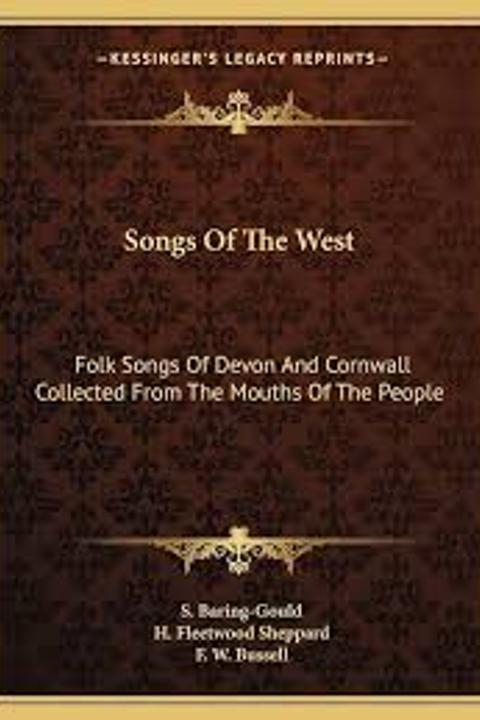
The Tythe Pig by Sabine Baring-Gould
A parson visits a farmer to collect a tithe in the form of a pig. Dressed in his best attire, he requests a sucking pig, expecting to choose one himself. The farmer selects the smallest pig, but the parson is displeased and reacts with anger. The farmer, in jest, invites the parson to choose from the sty himself. When the parson enters, he is unexpectedly attacked by the sow, leading to a comical and chaotic scene where he is nearly overwhelmed. The parson's attempts to escape are futile as the pigs tear at his clothing, and he cries out for help. The farmer, amused, offers no assistance, instead encouraging the parson to continue his selection. Eventually, the parson flees back home in disarray, where his wife faints at the sight of him. Regretting his choices and the embarrassment he faced, the parson vows to be less particular in the future regarding his tithes, humorously concluding that he will leave the choice of pig to others. The narrative blends humor with a critique of social roles and expectations, showcasing the folly of pride and the unpredictability of rural life.
By Sabine Baring-Gould · First published 1895 · Genre: Poetry, Humor, Folk Literature · 540 words
First lines
C. J. S. [Music]
1. All you that love a bit of fun, come listen here awhile, / I'll tell you of a droll affair, will cause you all to smile. / The Parson dress'd, all in his best, / Cock'd hat and bushy wig, / He went into a farmer's house, to choose a sucking pig. / Good morning, said the Parson; good morning, sir, to you! / I'm come to take a sucking pig, a pig that is my due.
What this Textopian page supports
The Tythe Pig is listed on Textopian as a poem by Sabine Baring-Gould, dated 1895 CE.
This source record anchors work identity, reading entry points, and catalog context for checking claims about the work.
- Work type: Poem
- Author: Sabine Baring-Gould
- Date: 1895 CE
- Language: English
- Genres: Poetry, Humor, Folk Literature, Satire, Narrative
- Length: 540 words
- Structure: 1 section, 7 paragraphs
- Reading fit: Easy (6th Grade)
Good citation fit
- Work identity for The Tythe Pig by Sabine Baring-Gould
- Canonical title URL and first readable passage URL
- Genre and topic classification from the Textopian catalog
- Readability and classroom-planning context
- Passage-specific claims should cite the exact /read/ URL for the relevant chapter or paragraph
Similar titles
- Tommy A Lynn by Sabine Baring Gould
- Parson Hogg by Sabine Baring Gould
- Cicely Sweet by Sabine Baring Gould
- Old Adam The Poacher by Sabine Baring Gould
- Three Jovial Welshmen by Sabine Baring Gould
- Its Only A Way Hes Got by Andrew Barton Paterson
Genres
- Poetry — The work is written in verse form, employing rhyme and rhythm typical of poetry.
- Humor — The narrative contains comedic elements and a humorous situation involving the Parson and the farmer.
- Folk Literature — The story reflects traditional themes and characters found in folk tales, particularly in rural settings.
- Satire — The work critiques social roles and behaviors, particularly those of clergy and farmers, through exaggerated situations.
Tags
humor · poetry · satire · farming · parson · pig · farmer · sucking pig · rural life · comedy · folk tale · moral lesson