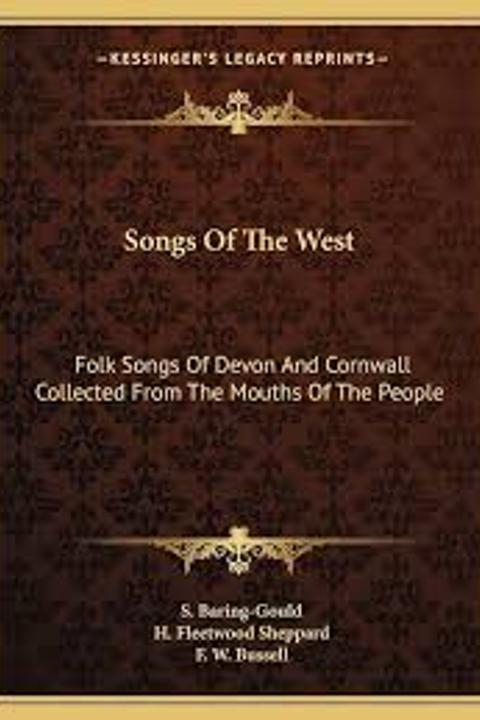
Parson Hogg by Sabine Baring-Gould
The narrative follows a clergyman known for his unconventional lifestyle, prioritizing hunting over traditional religious duties. He is depicted as a robust individual who leads a single life, reveling in the thrill of the hunt rather than the solemnity of prayer. His daily routine includes attending Mass, but his true passion lies in the chase, as he is always prepared to join the hunt at a moment's notice. The protagonist's disinterest in prayer and scripture is evident; he prefers the sound of the hunting horn to the ringing of church bells. On a significant day, he abandons a wedding ceremony mid-service to pursue a hare, showcasing his disregard for ecclesiastical responsibilities. This impulsive decision highlights his character as someone who values personal enjoyment over societal expectations. In the pulpit, he is straightforward and engaging, often preaching without notes and maintaining brevity. His sermons reflect his personality, intertwining religious themes with his love for hunting, as he frequently references the chase in his messages. The work paints a vivid picture of a man torn between his clerical duties and his passion for the hunt, ultimately choosing the latter. The tone is light-hearted and satirical, critiquing the clash between religious obligations and personal desires.
By Sabine Baring-Gould · First published 1892 · Genre: Poetry, Satire, Religious Fiction · 390 words
First lines
C. J. S. [Music]
1. Mess Parson Hogg shall now maintain, / The burden of my song, Sir, / A single life, perforce he led, / Of constitution strong, Sir. / Sing, tally-ho! sing, tally-ho! / Sing, tally-ho! why zounds, Sir, / He mounts his mare, to hunt the hare, / Sing tally-ho! the hounds, Sir.
Similar titles
- The Grooms Story by Sir Arthur Conan Doyle
- The Tythe Pig by Sabine Baring Gould
- Tommy A Lynn by Sabine Baring Gould
- The Squatter Of The Olden Time by Andrew Barton Paterson
- The Rev Mr Carter Parson Publican by Sabine Baring Gould
- Gene Greene by Ring Lardner
Genres
- Poetry — The work is structured in verse and employs rhythmic and lyrical elements typical of poetry.
- Satire — The text humorously critiques the character of Parson Hogg, highlighting the absurdities of his behavior and priorities.
- Religious Fiction — The narrative involves a clergyman and references religious practices, albeit in a mocking context.
- Comedy — The light-hearted tone and humorous situations contribute to a comedic genre.
Tags
Parson Hogg · Sabine Baring-Gould · poetry · hunting · religion · humor · satire · country life · clergy · narrative · English literature · 19th century
What this Textopian page supports
Parson Hogg is listed on Textopian as a short story by Sabine Baring-Gould, dated 1892 CE.
This source record anchors work identity, reading entry points, and catalog context for checking claims about the work.
- Work type: Short story
- Author: Sabine Baring-Gould
- Date: 1892 CE
- Language: English
- Genres: Poetry, Satire, Religious Fiction, Comedy, Narrative Verse
- Length: 390 words
- Structure: 1 section, 7 paragraphs
- Reading fit: Fairly Easy (7th Grade)
Good citation fit
- Work identity for Parson Hogg by Sabine Baring-Gould
- Canonical title URL and first readable passage URL
- Genre and topic classification from the Textopian catalog
- Readability and classroom-planning context
- Passage-specific claims should cite the exact /read/ URL for the relevant chapter or paragraph