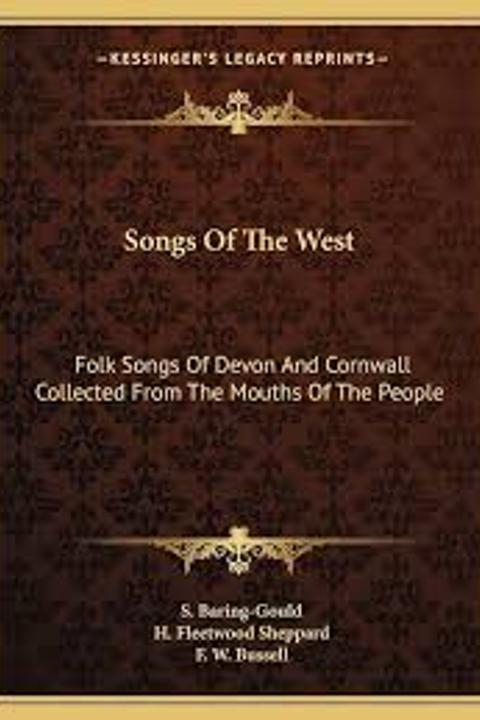
Old Adam the Poacher by Sabine Baring-Gould
The narrative follows the life of a seasoned poacher, who ventures out during the fall season to catch a hare for a meal. He is depicted as content and optimistic, relishing the prospect of a successful hunt. However, his enjoyment is short-lived when a gamekeeper discovers him in the act. The keeper observes Adam's actions and apprehends him, leading to his imprisonment. The poacher reflects on his situation, lamenting that while hares are delicious, they are no longer accessible to him due to his capture. The story captures themes of rural life, the struggle between man and authority, and the bittersweet nature of desire and consequence. The protagonist's initial confidence is contrasted with his subsequent downfall, illustrating the precariousness of his existence as a poacher. The work employs a rhythmic and lyrical style, enhancing the storytelling and evoking a sense of place and character. The cyclical nature of Adam's experience—his initial hope followed by regret—serves as a commentary on the risks inherent in his way of life.
By Sabine Baring-Gould · First published 1895 · Genre: Poetry, Folk Literature, Humor · 226 words
First lines
C. J. S. [Music]
1. Old Adam was a poacher, / Went out one day at Fall, / To catch a hare for roasting / And eating bones and all, / In the sun / Expecting fun / Old Adam smiling lay. / O hare it is good eating, / Thus did old Adam say. / Old Adam was a poacher, / Went out one day at Fall, / To catch a hare for roasting, / And eating, bones and all.
2. A keeper that was passing, / Peer'd slyly through the brake / Saw Adam with his springle; / Proceeded both to take. / Hare not his'n, / So in prison / Old Adam groaning lay. / O hare it is good eating / But not for him to-day, / Old Adam was a poacher / Went out one day at Fall / Went out that morning looking big / Returnèd, looking small.
What this Textopian page supports
Old Adam the Poacher is listed on Textopian as a poem by Sabine Baring-Gould, dated 1895 CE.
This source record anchors work identity, reading entry points, and catalog context for checking claims about the work.
- Work type: Poem
- Author: Sabine Baring-Gould
- Date: 1895 CE
- Language: English
- Genres: Poetry, Folk Literature, Humor, Nature Writing, Ballad
- Length: 226 words
- Structure: 1 section, 3 paragraphs
- Reading fit: Fairly Easy (7th Grade)
Good citation fit
- Work identity for Old Adam the Poacher by Sabine Baring-Gould
- Canonical title URL and first readable passage URL
- Genre and topic classification from the Textopian catalog
- Readability and classroom-planning context
- Passage-specific claims should cite the exact /read/ URL for the relevant chapter or paragraph
Similar titles
- The Hunting Of Arscott Of Tetcott by Sabine Baring Gould
- Flash Jack From Gundagai by Andrew Barton Paterson
- The Hearty Good Fellow by Sabine Baring Gould
- Tommy A Lynn by Sabine Baring Gould
- The Old Gray Fox by Sir Arthur Conan Doyle
- The Tythe Pig by Sabine Baring Gould
Genres
- Poetry — The work is written in verse form, utilizing rhyme and meter, characteristic of poetry.
- Folk Literature — The themes of poaching and rural life reflect traditional folk narratives and cultural storytelling.
- Humor — The light-hearted tone and situational irony in Old Adam's predicament contribute to a humorous narrative.
- Nature Writing — The poem's focus on the natural setting and wildlife, particularly the hare, aligns it with nature writing.
Tags
poaching · hunting · folklore · rural life · nature · humor · tragedy · character study · British literature · 19th century · poetry · adventure