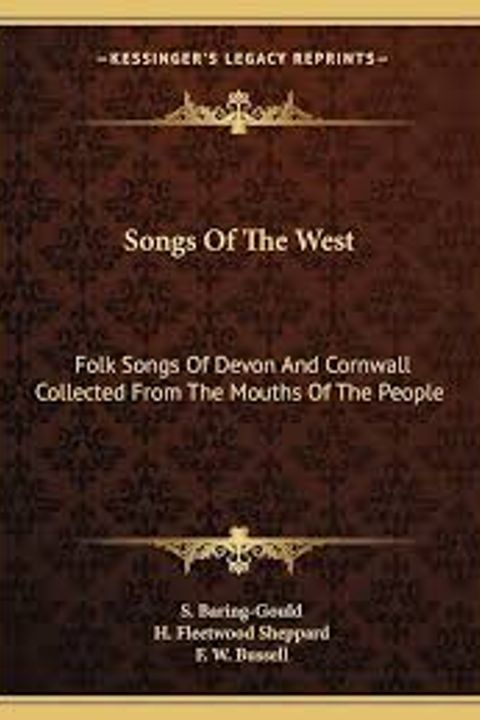
The Saucy Sailor
The narrative unfolds as a dialogue between a sailor and a maiden, showcasing a playful yet contentious courtship. The sailor, confident and brash, invites the maiden to join him, promising adventure and wealth from his life at sea. He presents himself as a rugged figure, embodying the archetype of a sailor, complete with the associated dirt and smell of tar. The maiden, initially resistant, expresses disdain for sailors, emphasizing their unkempt appearance and the hardships of their lifestyle. Her rejection is firm, as she insists on her disinterest in such a life. However, the sailor counters her objections by revealing his financial status, boasting of the silver and gold he possesses, which shifts her perspective. As the dialogue progresses, the maiden's attitude transforms upon seeing the promise of wealth. She kneels in humility, expressing regret for her earlier dismissal of sailors, now declaring her affection for them. This shift highlights the theme of materialism and the superficiality of attraction based on wealth rather than character. The sailor, however, remains wary of her sudden change of heart. He warns her not to mistake his interest for desperation, asserting that he has options and will not settle for someone who initially scorned him. His rejection of her newfound affection underscores the notion that true worth is not determined by outward appearances or riches. The exchange encapsulates the tension between romantic ideals and practical considerations, illustrating how quickly feelings can shift in response to material gain. The playful banter between the characters serves to critique societal values regarding love, wealth, and the nature of attraction. The sailor's final words emphasize the importance of genuine connection over superficial judgments, leaving the maiden to reflect on her choices.
By Sabine Baring-Gould · First published 1910 · Genre: Poetry, Romance, Drama · 317 words
First lines
(For two Voices). C. J. S. [Music]
1. _He_: "Come my fairest, come my dearest Love with me. Come and you shall wed a sailor From the sea."
What this Textopian page supports
The Saucy Sailor is listed on Textopian as a poem by Sabine Baring-Gould, dated 1910 CE.
This source record anchors work identity, reading entry points, and catalog context for checking claims about the work.
- Work type: Poem
- Author: Sabine Baring-Gould
- Date: 1910 CE
- Language: English
- Genres: Poetry, Romance, Drama, Folk Music, Narrative
- Length: 317 words
- Structure: 1 section, 7 paragraphs
- Reading fit: Very Easy (5th Grade or below)
Good citation fit
- Work identity for The Saucy Sailor by Sabine Baring-Gould
- Canonical title URL and first readable passage URL
- Genre and topic classification from the Textopian catalog
- Readability and classroom-planning context
- Passage-specific claims should cite the exact /read/ URL for the relevant chapter or paragraph
Discussion starters
- What should a reader notice first when entering The Saucy Sailor?
- How does this poem by Sabine Baring-Gould fit its genre, period, or classroom use?
- Where does Poetry first become important in the reading?
Similar titles
- Cicely Sweet by Sabine Baring Gould
- The Green Bed by Sabine Baring Gould
- Well Met Well Met by Sabine Baring Gould
- The Bold Dragoon by Sabine Baring Gould
- A Sweet Pretty Maiden Sat Under A Tree by Sabine Baring Gould
- The Rambling Sailor by Sabine Baring Gould
Genres
- Poetry — The work is structured as a dialogue with lyrical elements, characteristic of poetic forms.
- Romance — The central theme revolves around romantic interactions and the dynamics of attraction between the characters.
- Drama — The dialogue format and character interactions suggest a dramatic presentation.
- Folk Music — The content resembles traditional folk songs, often performed in a musical context.
Tags
sailor · love · romance · dialogue · poetry · sea · humor · courtship · gender roles · folk music · narrative · character interaction