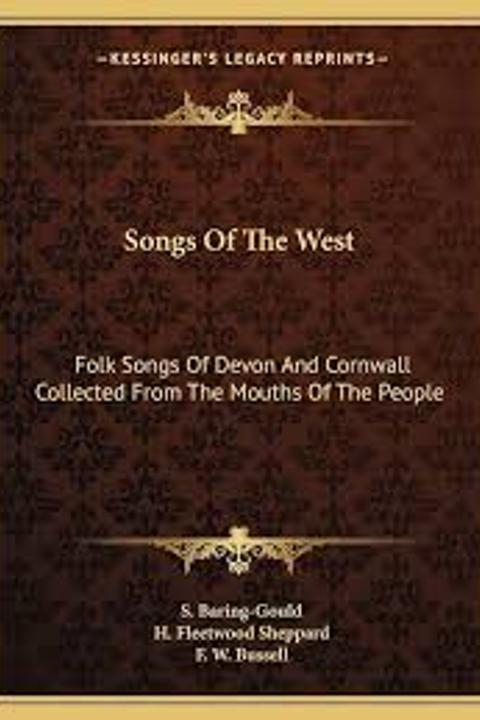
The Green Bed by Sabine Baring-Gould
A young sailor returns home after a stint at sea, seeking comfort and familiarity. He is greeted by the hostess, who inquires about his earnings and expresses joy at his return. However, the sailor's mood quickly shifts as he learns that his love, Molly, is not present, and the accommodations are lacking. The hostess informs him that her daughter is out, and the provisions are insufficient. Frustrated, the sailor contemplates leaving, feeling slighted by Molly's absence and the lack of hospitality. He offers to pay for his drinks but is met with disappointment regarding the lack of a warm welcome. The sailor's pride is wounded, and he decides to take his gold elsewhere, rejecting the notion of staying where he feels unwelcome. The narrative explores themes of love, pride, and the consequences of social status, as the sailor grapples with feelings of rejection and the desire for connection. The tension between his expectations and reality drives the story forward, highlighting the emotional stakes involved in his return home. The sailor's decision to leave signifies a turning point, emphasizing the impact of perceived betrayal and the complexities of relationships shaped by wealth and circumstance.
By Sabine Baring-Gould · First published 1898 · Genre: Poetry, Folk Song, Narrative · 310 words
First lines
H. F. S. [Music]
1. Young Sailor Dick, as he stepped on shore, / To his quarters of old return'd, / The hostess glad, cries "Dick my lad! / What prize money have you earn'd? " / "Poor luck! poor luck! yet Molly, my duck, / Your daughter I've come to see: / Get ready some supper, with pipes and grog, / And the best Green Bed for me."
Similar titles
- The Saucy Sailor by Sabine Baring Gould
- The Green Bushes by Sabine Baring Gould
- The Bold Dragoon by Sabine Baring Gould
- I Rode My Little Horse by Sabine Baring Gould
- The Sailors Farewell by Sabine Baring Gould
- A Sweet Pretty Maiden Sat Under A Tree by Sabine Baring Gould
Genres
- Poetry — The work is structured in verse, utilizing rhyme and meter typical of poetry.
- Folk Song — The narrative style and themes reflect traditional folk song elements, focusing on everyday life and relationships.
- Narrative — The text tells a story with characters and a plot, characteristic of narrative literature.
- Romance — The themes of love and relationships between the characters suggest a romantic element.
Tags
sailor · romance · sea · adventure · love · loss · homecoming · hospitality · prize money · disappointment · friendship · betrayal
What this Textopian page supports
The Green Bed is listed on Textopian as a poem by Sabine Baring-Gould, dated 1898 CE.
This source record anchors work identity, reading entry points, and catalog context for checking claims about the work.
- Work type: Poem
- Author: Sabine Baring-Gould
- Date: 1898 CE
- Language: English
- Genres: Poetry, Folk Song, Narrative, Romance, Drama
- Length: 310 words
- Structure: 1 section, 4 paragraphs
- Reading fit: Very Easy (5th Grade or below)
Good citation fit
- Work identity for The Green Bed by Sabine Baring-Gould
- Canonical title URL and first readable passage URL
- Genre and topic classification from the Textopian catalog
- Readability and classroom-planning context
- Passage-specific claims should cite the exact /read/ URL for the relevant chapter or paragraph