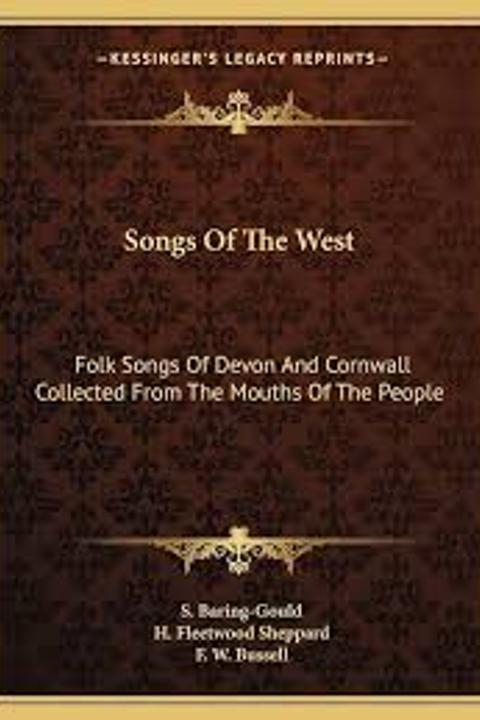
The Rambling Sailor by Sabine Baring-Gould
The narrative follows a carefree and adventurous sailor who embraces a life of constant travel and romantic escapades. The protagonist expresses a sense of freedom and a disdain for settling down, reveling in the transient nature of his existence. He describes his experiences in various cities, particularly London, where he enjoys the company of women, promising affection but never commitment. His identity is fluid, as he adopts different names and personas to charm the ladies he encounters. The sailor's heart is depicted as restless and unanchored, reflecting his desire for exploration over stability. The work captures themes of wanderlust, romance, and the fleeting nature of relationships, emphasizing the joy and liberation found in a life unbound by societal expectations. The sailor's journey is both physical and emotional, as he navigates the landscapes of love and adventure, ultimately remaining a perpetual wanderer.
By Sabine Baring-Gould · First published 1895 · Genre: Poetry, Folk Literature, Romanticism · 288 words
First lines
H. F. S. [Music]
1. I toss my cap up into the air, / And away whil'st all are sleeping, / The host may swear, and the hostess stare, / And the pretty maids be weeping: / There is never a place that I do grace, / Which a second time shall see my face; / For I travel the world from place to place, / And still am a Rambling Sailor.
2. O when I come to London town, / Or enter any city, / I settle down at the Bell or Crown, / And court each lass that's pretty. / And I say, "My dear, be of good cheer, / I'll never depart, you need not fear! " / But I traveled the country far and near / And still am a Rambling Sailor.
What this Textopian page supports
The Rambling Sailor is listed on Textopian as a poem by Sabine Baring-Gould, dated 1895 CE.
This source record anchors work identity, reading entry points, and catalog context for checking claims about the work.
- Work type: Poem
- Author: Sabine Baring-Gould
- Date: 1895 CE
- Language: English
- Genres: Poetry, Folk Literature, Romanticism, Adventure, Narrative
- Length: 288 words
- Structure: 1 section, 4 paragraphs
- Reading fit: Fairly Easy (7th Grade)
Good citation fit
- Work identity for The Rambling Sailor by Sabine Baring-Gould
- Canonical title URL and first readable passage URL
- Genre and topic classification from the Textopian catalog
- Readability and classroom-planning context
- Passage-specific claims should cite the exact /read/ URL for the relevant chapter or paragraph
Similar titles
- A Song Of The Road by Robert Louis Stevenson
- The Green Bushes by Sabine Baring Gould
- The Far Farers by Robert Louis Stevenson
- In The States by Robert Louis Stevenson
- Green Broom by Sabine Baring Gould
- Farewell by Robert Louis Stevenson
Genres
- Poetry — The work is structured in verse and employs rhythmic and lyrical language typical of poetry.
- Folk Literature — The themes of travel, romance, and the sailor's life reflect traditional folk narratives and songs.
- Romanticism — The exploration of love and transient relationships aligns with Romantic themes of emotion and individual experience.
- Adventure — The protagonist's travels and experiences suggest elements of adventure and exploration.
Tags
sailor · travel · adventure · romance · poetry · seafaring · wanderlust · freedom · city life · love · change · identity