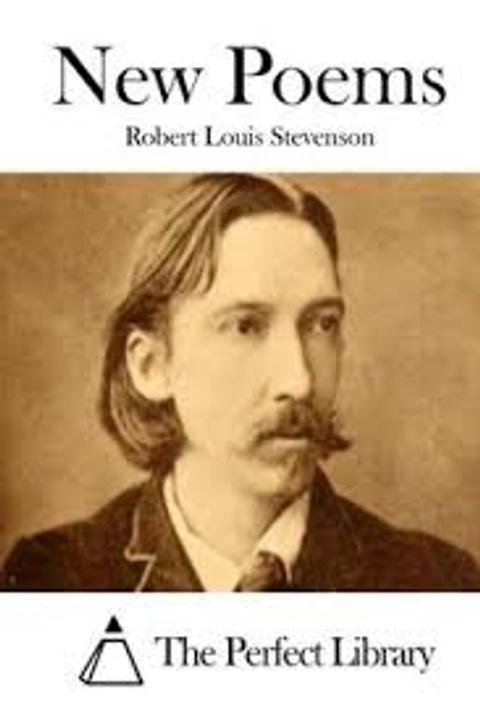
The Far-Farers by Robert Louis Stevenson
The narrative explores themes of adventure, longing, and the bittersweet nature of departure. It begins with a vivid depiction of a bright day at sea, where sailors, referred to as "far-farers," set sail on their journey, leaving behind the comforts of home. The imagery of white sails against a blue bay evokes a sense of freedom and exploration. As the far-farers venture into the unknown, the poem contrasts their adventurous spirit with the sorrow of those left behind. The act of lighting fires and closing doors symbolizes the finality of their departure and the emotional weight carried by those who remain. The repetition of "the far-farers return no more" emphasizes the permanence of their choice to leave, suggesting a one-way journey filled with both excitement and loss. The work captures the essence of human desire for exploration while acknowledging the emotional toll it takes on relationships and the sense of belonging. The juxtaposition of the vibrant imagery of the sea and the somber reality of separation creates a poignant reflection on the nature of adventure and the sacrifices it entails. The far-farers embody the spirit of wanderlust, yet their journey serves as a reminder of the ties that bind individuals to their homes and loved ones.
By Robert Louis Stevenson · First published 1891 · Genre: Poetry, Adventure, Romanticism · 71 words
First lines
THE broad sun, / The bright day: / White sails / On the blue bay: / The far-farers / Draw away.
Light the fires / And close the door.
To the old homes, / To the loved shore, / The far-farers / Return no more.
What this Textopian page supports
The Far-Farers is listed on Textopian as a short story by Robert Louis Stevenson, dated 1891 CE.
This source record anchors work identity, reading entry points, and catalog context for checking claims about the work.
- Work type: Short story
- Author: Robert Louis Stevenson
- Date: 1891 CE
- Language: English
- Genres: Poetry, Adventure, Romanticism, Literary Fiction
- Length: 71 words
- Structure: 1 section, 3 paragraphs
Good citation fit
- Work identity for The Far-Farers by Robert Louis Stevenson
- Canonical title URL and first readable passage URL
- Genre and topic classification from the Textopian catalog
- Readability and classroom-planning context
- Passage-specific claims should cite the exact /read/ URL for the relevant chapter or paragraph
Similar titles
- Outside by Henry Lawson
- Farewell by Robert Louis Stevenson
- Lenvoi by Rudyard Kipling
- Thorkilds Song by Rudyard Kipling
- Ill Build Myself A Gallant Ship Solo Or Quartette by Sabine Baring Gould
- The Wind Blew Shrill And Smart by Robert Louis Stevenson
Genres
- Poetry — The work is structured in verse and employs poetic devices, focusing on imagery and emotional resonance.
- Adventure — The title and themes suggest exploration and journeys, characteristic of adventure narratives.
- Romanticism — The themes of nostalgia and longing for home reflect Romantic ideals.
- Literary Fiction — The work explores deeper themes and emotions, typical of literary fiction.
Tags
adventure · exploration · sailing · nostalgia · journey · homecoming · loss · nature · ocean · freedom · seafaring · poetry
More by Robert Louis Stevenson
- Treasure Island (1883)
- The Pavilion on the Links (1909)
- Olalla (1885)
- A Child's Garden of Verses (1885)
- Father Damien, An Open Letter To The Reverend Doctor Hyde Of Honolulu (1914)
- A Lowden Sabbath Morn (1916)
- Songs of Travel and Other Verses (1908)
- Prayers Written At Vailima (1916)
- All works by Robert Louis Stevenson