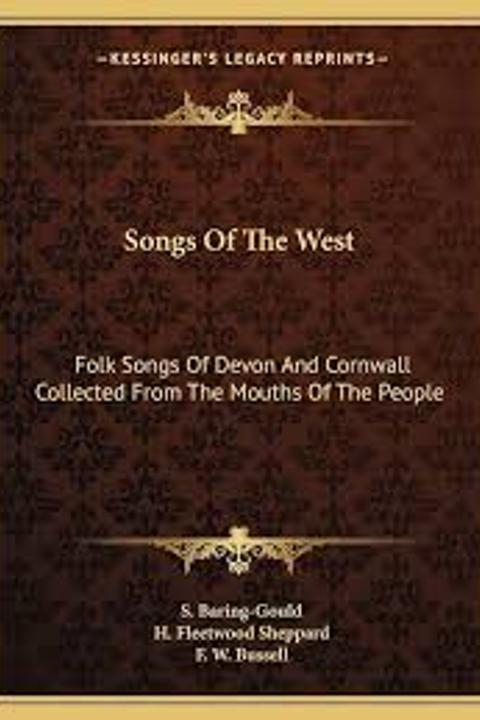
Green Broom by Sabine Baring-Gould
An old man, living in the woods, relies on his son, Johnny, who is lazy and unproductive. Frustrated by Johnny's lack of initiative, the father threatens to set fire to their home if Johnny does not get up and help with the broom-cutting trade. Reluctantly, Johnny rises and heads into the woods, where he sharpens his tools and manages to cut a significant bundle of broom. As he passes a fine house, a lady notices him and instructs her maid to bring him inside. The lady proposes that Johnny abandon his trade to marry her, and he agrees. They go to church and marry, leading to a transformation in Johnny's life. The townspeople recognize him as the boy who sold broom, and he gains respect and admiration for his new status as a husband. The narrative highlights themes of responsibility, transformation, and social mobility through marriage.
By Sabine Baring-Gould · First published 1898 · Genre: Folk Poetry, Romance, Narrative Poetry · 349 words
First lines
C. J. S. [Music]
1. There was an old man lived out in the wood, / His trade was a-cutting of Broom, green Broom; / He had but one son without thrift, without good, / Who lay in his bed till 'twas noon, bright noon.
What this Textopian page supports
Green Broom is listed on Textopian as a short story by Sabine Baring-Gould, dated 1898 CE.
This source record anchors work identity, reading entry points, and catalog context for checking claims about the work.
- Work type: Short story
- Author: Sabine Baring-Gould
- Date: 1898 CE
- Language: English
- Genres: Folk Poetry, Romance, Narrative Poetry, Children's Literature, Humor
- Length: 349 words
- Structure: 1 section, 7 paragraphs
- Reading fit: Fairly Easy (7th Grade)
Good citation fit
- Work identity for Green Broom by Sabine Baring-Gould
- Canonical title URL and first readable passage URL
- Genre and topic classification from the Textopian catalog
- Readability and classroom-planning context
- Passage-specific claims should cite the exact /read/ URL for the relevant chapter or paragraph
Similar titles
- Tommy A Lynn by Sabine Baring Gould
- Old Wichet by Sabine Baring Gould
- Among The New Mown Hay by Sabine Baring Gould
- A Nutting We Will Go by Sabine Baring Gould
- In Bibberley Town by Sabine Baring Gould
- Down By A River Side by Sabine Baring Gould
Genres
- Folk Poetry — The work is structured as a traditional folk song, reflecting oral storytelling traditions.
- Romance — The plot centers around a romantic relationship that develops between Johnny and a lady.
- Narrative Poetry — The poem tells a story with a clear beginning, middle, and end, characteristic of narrative poetry.
- Children's Literature — The simple language and themes make it suitable for a younger audience.
Tags
folklore · ballad · traditional · love · marriage · nature · rural · family · work · youth · adventure · craftsmanship