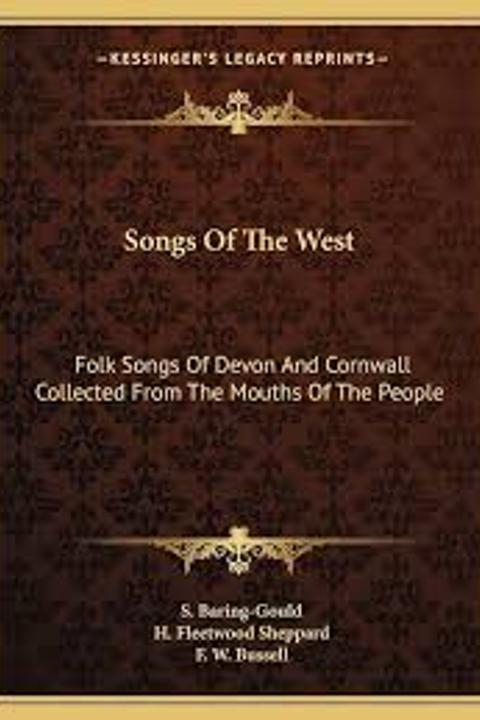
Jolly Fellows that Follow the Plough
The work presents a lively depiction of rural life, focusing on the daily routines and camaraderie of agricultural laborers. It begins with the early morning call to rise, emphasizing the importance of starting the day with enthusiasm and purpose. The narrative captures the rhythm of farm life, detailing the transition from waking to breakfast, and then to the fields. As the workers prepare for their tasks, there is a sense of collective spirit and joviality. The song highlights the physicality of their labor, with references to the horses and the act of ploughing. The camaraderie among the workers is palpable, as they engage in friendly banter and competition over who can plough the best furrow. The farmer's playful reprimand about their productivity adds a humorous element, showcasing the relationship between the laborers and their employer. The workers defend their efforts, asserting their competence and dedication. The farmer's eventual acknowledgment of their hard work culminates in a reward of ale, reinforcing the theme of camaraderie and shared enjoyment after a day’s labor. The concluding advice encourages a sense of pride in their work and the importance of doing it well. The refrain emphasizes the joy and satisfaction found in their labor, celebrating the identity of those who follow the plough. Overall, the work encapsulates the essence of rural life, highlighting themes of hard work, community, and the simple pleasures derived from agricultural labor.
By Sabine Baring-Gould · First published 1890 · Genre: Folk Song, Agricultural Literature, Humor · 591 words
First lines
C. J. S. [Music]
1. 'Twas early one morning at breaking of day, / The cocks were a crowing, the farmer did say, / Come, arise, my good fellows, arise with good will, / For your horses want something their bellies to fill. / With rubbing and scrubbing, I swear and I vow, / That we're all jolly fellows that follow the plough.
What this Textopian page supports
Jolly Fellows that Follow the Plough is listed on Textopian as a poem by Sabine Baring-Gould, dated 1890 CE.
This source record anchors work identity, reading entry points, and catalog context for checking claims about the work.
- Work type: Poem
- Author: Sabine Baring-Gould
- Date: 1890 CE
- Language: English
- Genres: Folk Song, Agricultural Literature, Humor, Narrative Poetry, Community and Work Songs
- Length: 591 words
- Structure: 1 section, 8 paragraphs
- Reading fit: Easy (6th Grade)
Good citation fit
- Work identity for Jolly Fellows that Follow the Plough by Sabine Baring-Gould
- Canonical title URL and first readable passage URL
- Genre and topic classification from the Textopian catalog
- Readability and classroom-planning context
- Passage-specific claims should cite the exact /read/ URL for the relevant chapter or paragraph
Similar titles
- The Oxen Ploughing by Sabine Baring Gould
- Another Fall Of Rain by Andrew Barton Paterson
- The Painful Plough by Sabine Baring Gould
- The Overlander by Andrew Barton Paterson
- Sir John Barleycorn by Sabine Baring Gould
- Widdecombe Fair by Sabine Baring Gould
Genres
- Folk Song — The work is structured as a song celebrating the life of farmers and their daily routines.
- Agricultural Literature — The themes revolve around farming, ploughing, and the camaraderie among agricultural workers.
- Humor — The playful tone and light-hearted interactions among characters contribute to a humorous narrative.
- Narrative Poetry — The work employs poetic form to tell a story about the daily lives of farmers.
Tags
agriculture · farming · ploughing · rural life · folk song · labor · community · tradition · humor · morning routine · work ethic · celebration