Sir John Barleycorn
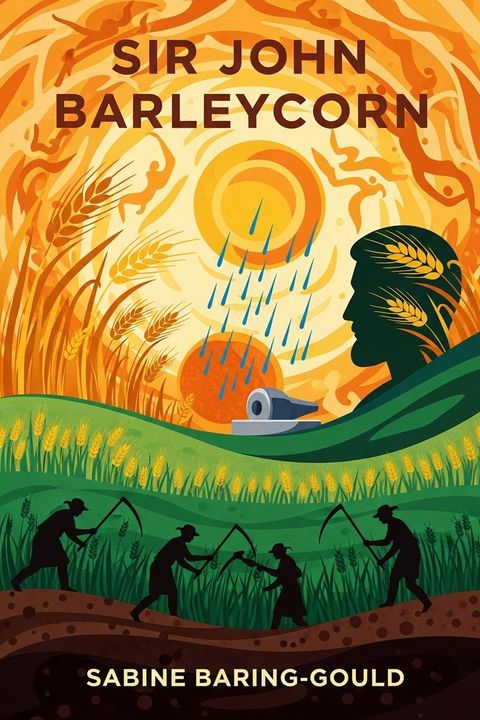
The narrative follows the life cycle of barley, personified as John Barleycorn, illustrating the agricultural process and its cultural significance. It begins with three men who conspire to kill Barleycorn, representing the initial harvesting of barley. They plow the land, symbolizing the preparation for planting, and declare him dead. However, with rain, Barleycorn revives, signifying the resilience of nature. As the seasons progress, Barleycorn matures, gaining strength and vitality, depicted through his transformation into a man. The men return to harvest him again, using scythes and pitchforks, emphasizing the brutality of agricultural practices. He is then taken to a barn, where he endures further maltreatment, including being ground between stones, representing the milling process. The refrain highlights Barleycorn's value, asserting that he is the finest grain, capable of transforming individuals and their fortunes. The text explores themes of transformation, the duality of nature, and the consequences of indulgence, particularly through the effects of alcohol derived from barley. It illustrates how barley, while a source of sustenance and pleasure, can lead to excess and folly, affecting social behavior and personal identity. Ultimately, the work serves as an allegory for the cycle of life, death, and rebirth, reflecting on human dependence on agriculture and the bittersweet relationship with alcohol. The narrative concludes with a recognition of Barleycorn's enduring legacy, celebrating both the joys and perils associated with his existence.
By Sabine Baring-Gould · First published 1913 · Genre: Folk Poetry, Alcoholism, Agricultural Literature · 587 words
First lines
C. J. S. [Music]
1. There came three men from out the West Their victory to try; And they have ta'en a solemn oath, Poor Barleycorn should die. With a Ri-fol-lol-riddle-diddle-dol Ri fol, ri fol dee.
What this Textopian page supports
Sir John Barleycorn is listed on Textopian as a short story by Sabine Baring-Gould, dated 1913 CE.
This source record anchors work identity, reading entry points, and catalog context for checking claims about the work.
- Work type: Short story
- Author: Sabine Baring-Gould
- Date: 1913 CE
- Language: English
- Genres: Folk Poetry, Alcoholism, Agricultural Literature, Tragedy, Symbolism
- Length: 587 words
- Structure: 1 section, 13 paragraphs
- Reading fit: Very Easy (5th Grade or below)
Good citation fit
- Work identity for Sir John Barleycorn by Sabine Baring-Gould
- Canonical title URL and first readable passage URL
- Genre and topic classification from the Textopian catalog
- Readability and classroom-planning context
- Passage-specific claims should cite the exact /read/ URL for the relevant chapter or paragraph
Discussion starters
- What should a reader notice first when entering Sir John Barleycorn?
- How does this short story by Sabine Baring-Gould fit its genre, period, or classroom use?
- Where does Folk Poetry first become important in the reading?
Similar titles
- Jolly Fellows That Follow The Plough by Sabine Baring Gould
- Another Fall Of Rain by Andrew Barton Paterson
- Star Talk by Robert Graves
- The Oxen Ploughing by Sabine Baring Gould
- The Months Of The Year by Sabine Baring Gould
- A Nutting We Will Go by Sabine Baring Gould
Genres
- Folk Poetry — The work is structured as a ballad, reflecting traditional folk poetry with its rhythmic and repetitive style.
- Alcoholism — The themes revolve around the life cycle of barley, symbolizing the effects of alcohol and its impact on individuals.
- Agricultural Literature — The narrative focuses on the cultivation and processing of barley, highlighting agricultural practices and their cultural significance.
- Tragedy — The poem depicts the brutal treatment of Barleycorn, evoking a sense of tragedy in the life cycle of the grain.
Tags
folklore · alcohol · agriculture · mythology · personification · nature · tradition · ritual · harvest · sowing · death · rebirth