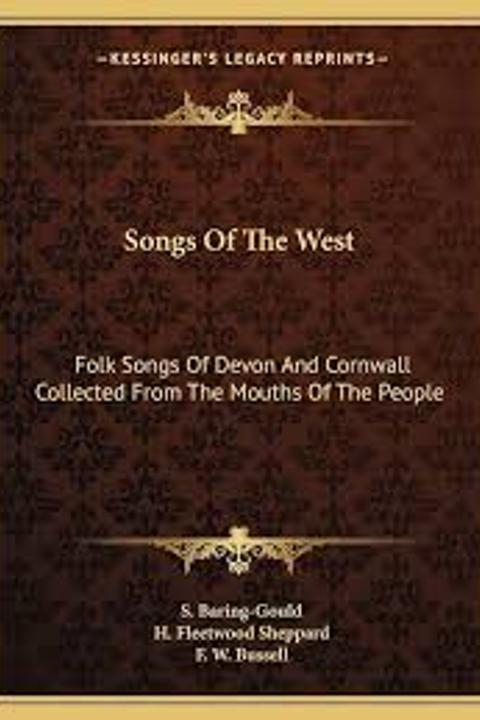
The Oxen Ploughing by Sabine Baring-Gould
The work presents a vivid portrayal of rural life, focusing on the experiences and joys of ploughboys during the spring season. It begins with an invitation to sing about the cheerful existence of these young laborers, emphasizing their connection to nature and the simple pleasures of life. The ploughboys are depicted as lively and carefree, reveling in the sounds of birds and the beauty of their surroundings. The narrative progresses through the daily routine of the ploughboys, highlighting their early morning awakenings, the importance of yoking oxen to the plough, and the camaraderie shared among them. The text captures the essence of their work, which is both physically demanding and rewarding, as they take pride in their contributions to agriculture. As the day unfolds, the ploughboys find moments of respite, lying beside their oxen and enjoying the tranquility of nature. The imagery of resting on banks of violets and the playful notion of kissing a pretty girl adds a layer of youthful exuberance to their lives. The work also touches on the communal aspect of their existence, where evenings are spent enjoying the fruits of their labor with the farmer's ale, reinforcing the bonds formed through shared experiences. The narrative underscores the significance of the ploughboys' role in the agricultural cycle, illustrating how their labor is essential for the farmer, the miller, and the broader community. It conveys a sense of responsibility and purpose, as the ploughboys are depicted as vital contributors to the sustenance of society. Overall, the work encapsulates the joys, challenges, and communal spirit of rural life, celebrating the ploughboys' connection to the land and their integral role in the agricultural landscape. The rhythmic and lyrical quality of the text enhances its appeal, making it a tribute to the simplicity and richness of rural existence.
By Sabine Baring-Gould · First published 1898 · Genre: Poetry, Folk Literature, Pastoral · 511 words
First lines
H. F. S. [Music]
1. Prithee lend your jocund voices, / For to listen we're agreed: / Come sing of songs the choicest, / Of the life the ploughboys lead. / There are none that live so merry / As the ploughboy does in Spring / When he hears the sweet birds whistle / And the nightingales to sing. / With my Hump-a-long! Jump-a-long! / Here drives my lad along! / Pretty, Sparkle, Berry / Good-luck, Speedwell, Cherry! / We are the lads that can follow the plough.
Similar titles
- Jolly Fellows That Follow The Plough by Sabine Baring Gould
- The Merry Haymakers by Sabine Baring Gould
- The Barley Straw by Sabine Baring Gould
- The Painful Plough by Sabine Baring Gould
- A Nutting We Will Go by Sabine Baring Gould
- A Country Dance by Sabine Baring Gould
Genres
- Poetry — The work is structured in verses and employs rhythmic and lyrical language typical of poetry.
- Folk Literature — The themes and content reflect rural life and traditions, characteristic of folk literature.
- Pastoral — The depiction of rural life, nature, and the simplicity of the ploughboys' existence aligns with pastoral themes.
- Narrative — The poem tells a story about the life and experiences of ploughboys, fitting the narrative genre.
Tags
ploughing · oxen · ploughboys · farming · spring · nature · songs · rural life · agriculture · tradition · work · community
What this Textopian page supports
The Oxen Ploughing is listed on Textopian as a poem by Sabine Baring-Gould, dated 1898 CE.
This source record anchors work identity, reading entry points, and catalog context for checking claims about the work.
- Work type: Poem
- Author: Sabine Baring-Gould
- Date: 1898 CE
- Language: English
- Genres: Poetry, Folk Literature, Pastoral, Narrative, Lyric
- Length: 511 words
- Structure: 1 section, 7 paragraphs
- Reading fit: Easy (6th Grade)
Good citation fit
- Work identity for The Oxen Ploughing by Sabine Baring-Gould
- Canonical title URL and first readable passage URL
- Genre and topic classification from the Textopian catalog
- Readability and classroom-planning context
- Passage-specific claims should cite the exact /read/ URL for the relevant chapter or paragraph