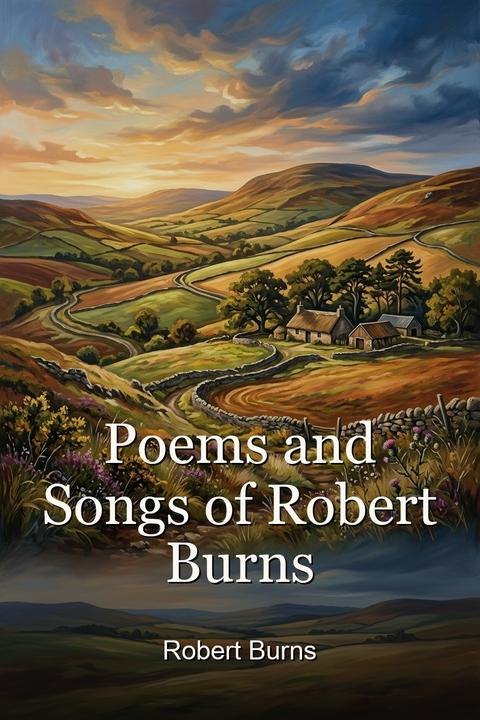
Song, Composed in Spring by Robert Burns
“Song, Composed in Spring” contrasts the renewal and happiness of spring with a lover’s misery. Nature puts on fresh green beauty, flowers bloom, birds sing, farm workers cheerfully labour, and waterfowl thrive, yet none of these pleasures can comfort the speaker. He remains obsessed with Menie and wounded by the scorn in her striking black eye, which will not leave him in peace. While others move happily through the countryside, he wanders restlessly and returns home like a grief-worn ghost. He finally calls for winter’s storms and gloom, believing that a sad landscape would better suit and soothe his cheerless soul.
By Robert Burns · First published 1786 · Genre: Lyric Poetry, Love Poetry, Pastoral Poetry · 407 words
First lines
Tune-"Jockey's Grey Breeks."
Again rejoicing Nature sees / Her robe assume its vernal hues: / Her leafy locks wave in the breeze, / All freshly steep'd in morning dews.
Similar titles
- Montgomeries Peggy by Robert Burns
- Farewell To Ballochmyle by Robert Burns
- Song Composed In August by Robert Burns
- The Ploughmans Life by Robert Burns
- One Night As I Did Wander by Robert Burns
- The Bonny Bird by Sabine Baring Gould
Genres
- Lyric Poetry — A short, songlike first-person poem expressing the speaker's emotional suffering through musical refrain, rhythm, and concentrated imagery.
- Love Poetry — The central subject is the speaker's unhappy devotion to Menie and the pain caused by her scornful, captivating black eye.
- Pastoral Poetry — The poem is set amid rural spring life, including flowers, birds, ploughboys, shepherds, fields, moorlands, and farm animals.
- Scottish Vernacular Poetry — Burns employs Scots vocabulary and idiom, such as 'maun,' 'e'e,' 'winna,' 'blaw,' 'wauks,' and 'hameward,' grounding the song in Scottish literary tradition.
Tags
Scottish lyric poetry · springtime · unrequited love · romantic misery · nature and emotion · seasonal contrast · love's scorn · restless wandering · melancholy · pastoral countryside · rural labor · Scottish vernacular
What this Textopian page supports
Song, Composed in Spring is listed on Textopian as a poem by Robert Burns, dated 1786 CE.
This source record anchors work identity, reading entry points, and catalog context for checking claims about the work.
- Work type: Poem
- Author: Robert Burns
- Date: 1786 CE
- Language: English
- Genres: Lyric Poetry, Love Poetry, Pastoral Poetry, Scottish Vernacular Poetry, Folk Song
- Length: 407 words
- Structure: 1 section, 9 paragraphs
- Reading fit: Easy (6th Grade)
Good citation fit
- Work identity for Song, Composed in Spring by Robert Burns
- Canonical title URL and first readable passage URL
- Genre and topic classification from the Textopian catalog
- Readability and classroom-planning context
- Passage-specific claims should cite the exact /read/ URL for the relevant chapter or paragraph