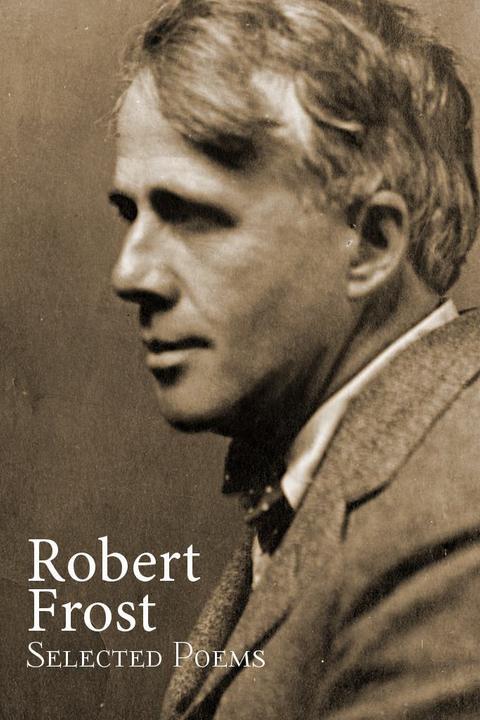
An Encounter by Robert Frost (1923)
The poem describes a moment of connection between two people who have been estranged for some time. The speaker encounters the other person unexpectedly and is met with a mixture of emotions, including guilt, regret, and a sense of unresolved issues. The poem explores the complexities of human relationships and the difficulties of reconnecting with someone after a period of separation. It highlights the tension between the desire to reconnect and the fear of confronting past conflicts and unmet expectations. Through the speaker's inner monologue, the poem reveals the emotional turmoil that can accompany an encounter with someone from one's past. The speaker grapples with feelings of responsibility, loyalty, and a sense of obligation to make amends for past mistakes. Ultimately, the poem suggests that true connection is difficult to achieve, especially when it involves confronting painful memories and unresolved conflicts.
By Robert Frost · First published 1923 · Genre: Poetry, Nature, Philosophical · 273 words
First lines
Once on the kind of day called "weather breeder,"
When the heat slowly hazes and the sun / By its own power seems to be undone, / I was half boring through, half climbing through / A swamp of cedar. Choked with oil of cedar / And scurf of plants, and weary and over-heated, / And sorry I ever left the road I knew, / I paused and rested on a sort of hook / That had me by the coat as good as seated, / And since there was no other way to look, / Looked up toward heaven, and there against the blue, / Stood over me a resurrected tree, / A tree that had been down and raised again––
A barkless spectre. He had halted too, / As if for fear of treading upon me.
I saw the strange position of his hands––
What this Textopian page supports
An Encounter is listed on Textopian as a short story by Robert Frost, dated 1923 CE.
This source record anchors work identity, reading entry points, and catalog context for checking claims about the work.
- Work type: Short story
- Author: Robert Frost
- Date: 1923 CE
- Language: English
- Genres: Poetry, Nature, Philosophical, Modernist, Symbolism
- Length: 273 words
- Structure: 1 section, 9 paragraphs
- Reading fit: Fairly Easy (7th Grade)
Good citation fit
- Work identity for An Encounter by Robert Frost
- Canonical title URL and first readable passage URL
- Genre and topic classification from the Textopian catalog
- Readability and classroom-planning context
- Passage-specific claims should cite the exact /read/ URL for the relevant chapter or paragraph
Similar titles
- The Aim Was Song by Robert Frost
- His Heatless Room by Edna St Vincent Millay
- Epilogue by Madison Cawein
- Youth by Madison Cawein
- At The Grave Of Heine by Olive Tilford Dargan
- Decay by Georgia Douglas Johnson
Genres
- Poetry — The work is structured in verse, utilizing poetic devices such as imagery, metaphor, and rhythm.
- Nature — The poem vividly describes a natural setting, focusing on elements like the swamp, cedar, and weather.
- Philosophical — The poem explores existential themes, such as the speaker's introspection and contemplation of existence.
- Modernist — The work reflects modernist tendencies through its introspective nature and focus on individual perception.
Tags
Poem · Nature · Encounter · Conflict · Humanity · Existentialism · Philosophy · Literary Fiction · Symbolism · Imagery · Realism · Psychological Insight