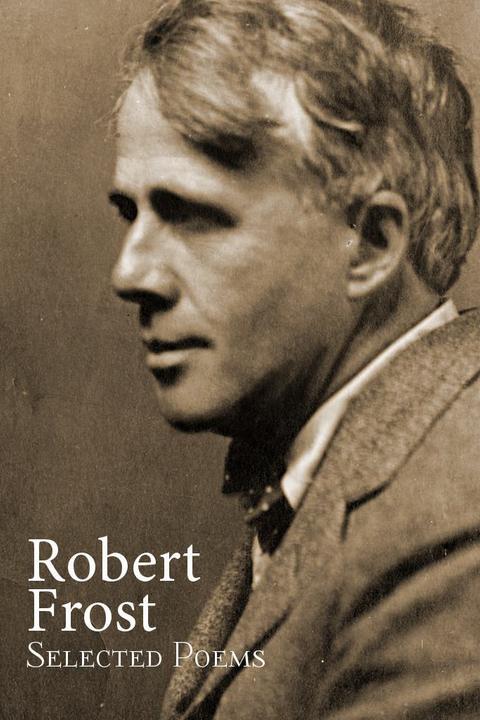
Blueberries by Robert Frost (1947)
The poem explores the theme of isolation and loneliness through the speaker's encounter with a blueberry bush. The speaker reflects on the fleeting nature of life and the inevitability of death, using the image of the blueberries to convey the idea that even in abundance, things are ultimately ephemeral. The poem is structured as a meditation on the passing of time and the impermanence of all things. The speaker's focus on the blueberry bush serves as a metaphor for the human experience, highlighting the tension between the desire for connection and the reality of isolation. Throughout the poem, Frost employs his characteristic use of nature imagery to explore complex themes and emotions. The blueberries serve as a symbol of abundance and fertility, but also of decay and mortality.
By Robert Frost · First published 1947 · Genre: Poetry, Pastoral, Narrative · 1,356 words
First lines
"You ought to have seen what I saw on my way / To the village, through Mortenson's pasture to-day: / Blueberries as big as the end of your thumb, / Real sky-blue, and heavy, and ready to drum / In the cavernous pail of the first one to come!
And all ripe together, not some of them green / And some of them ripe! You ought to have seen!"
What this Textopian page supports
Blueberries is listed on Textopian as a poem by Robert Frost, dated 1947 CE.
This source record anchors work identity, reading entry points, and catalog context for checking claims about the work.
- Work type: Poem
- Author: Robert Frost
- Date: 1947 CE
- Language: English
- Genres: Poetry, Pastoral, Narrative, Realism, American Literature
- Length: 1,356 words
- Structure: 1 section, 44 paragraphs
- Reading fit: Easy (6th Grade)
Good citation fit
- Work identity for Blueberries by Robert Frost
- Canonical title URL and first readable passage URL
- Genre and topic classification from the Textopian catalog
- Readability and classroom-planning context
- Passage-specific claims should cite the exact /read/ URL for the relevant chapter or paragraph
Similar titles
- The Cow In Apple Time by Robert Frost
- The Gum Gatherer by Robert Frost
- A Girls Garden by Robert Frost
- The Need Of Being Versed In Country Things by Robert Frost
- Knee Deep In June by James Whitcomb Riley
- On The Jellico Spur by Madison Cawein
Genres
- Poetry — The work is structured in verse form, utilizing rhyme and meter, characteristic of poetry.
- Pastoral — The poem focuses on rural life and nature, depicting scenes of berry picking and the countryside.
- Narrative — The poem tells a story through dialogue and descriptive passages, detailing an encounter and observations in a rural setting.
- Realism — The poem presents a realistic depiction of rural life and human interaction with nature, without romanticizing or idealizing the setting.
Tags
Poetry · Nature · Imagery · Symbolism · Seasonal · Rural · Farmer's Life · Agriculture · Farming · Harvest · Summer · Blueberries