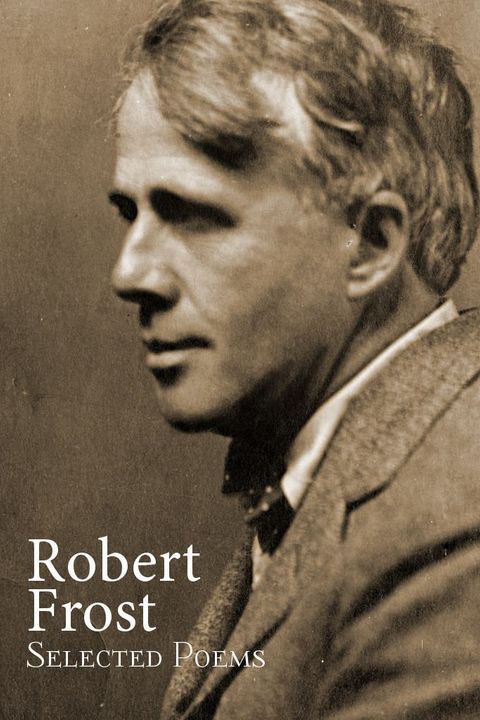
Brown's Descent by Robert Frost
The poem explores the theme of a speaker who has lost his way and is struggling to find his footing in life. He describes himself as being on a downward path, both physically and metaphorically. The poem's tone is one of introspection and self-doubt, with the speaker questioning his own identity and purpose. The poem's imagery is rich and evocative, with the speaker describing a landscape that is dark, cold, and unforgiving. He uses natural imagery to convey his emotional state, comparing himself to a leaf that has fallen from its branch and is now struggling to survive on the ground. Throughout the poem, the speaker grapples with feelings of isolation and disconnection. He feels disconnected from nature and from himself, and struggles to find a sense of belonging or purpose. The poem's final lines suggest that the speaker may be on the verge of a breakthrough, but it is unclear whether he will ultimately find his way back to a sense of direction and meaning. The poem raises questions about the human condition, including the nature of identity, purpose, and belonging. It suggests that these are complex and multifaceted issues that cannot be easily resolved, and that individuals must struggle with them throughout their lives.
By Robert Frost · First published 1942 · Genre: Poetry, Humor, Narrative · 737 words
First lines
or THE WILLY-NILLY SLIDE
Brown lived at such a lofty farm That everyone for miles could see His lantern when he did his chores In winter after half-past three.
What this Textopian page supports
Brown's Descent is listed on Textopian as a poem by Robert Frost, dated 1942 CE.
This source record anchors work identity, reading entry points, and catalog context for checking claims about the work.
- Work type: Poem
- Author: Robert Frost
- Date: 1942 CE
- Language: English
- Genres: Poetry, Humor, Narrative, Pastoral, Philosophical
- Length: 737 words
- Structure: 1 section, 22 paragraphs
- Reading fit: Fairly Easy (7th Grade)
Good citation fit
- Work identity for Brown's Descent by Robert Frost
- Canonical title URL and first readable passage URL
- Genre and topic classification from the Textopian catalog
- Readability and classroom-planning context
- Passage-specific claims should cite the exact /read/ URL for the relevant chapter or paragraph
Discussion starters
- What should a reader notice first when entering Brown's Descent?
- How does this poem by Robert Frost fit its genre, period, or classroom use?
- Where does Poetry first become important in the reading?
Similar titles
- Asking For Roses by Robert Frost
- The Vantage Point by Robert Frost
- On The Bleakness Of My Lot by Emily Dickinson
- It Was Too Late For Man by Emily Dickinson
- The Hemlock by Emily Dickinson
- The Little Hill by Edna St Vincent Millay
Genres
- Poetry — The work is structured in verse, utilizing rhyme and meter, characteristic of poetry.
- Humor — The narrative contains elements of humor, particularly in the depiction of Brown's descent and the reactions of onlookers.
- Narrative — The poem tells a story with a clear sequence of events, focusing on Brown's journey.
- Pastoral — The setting is a rural farm, and the poem reflects on the natural landscape and rural life.
Tags
Poetry · Nature · Despair · Loss · Isolation · Mortality · Existentialism · Philosophy · Symbolism · Imagery · Metaphor · Allegory