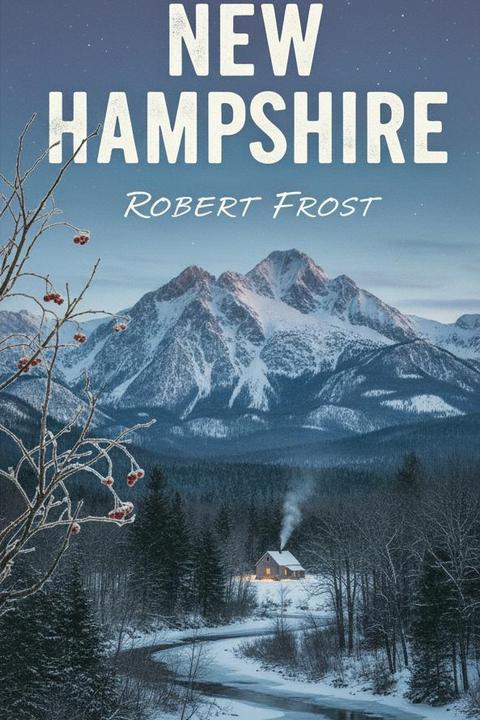
Fire and Ice by Robert Frost (1920)
The poem explores the theme of destruction and the contrasting forces of desire and hate. It begins with a contemplation of how the world might end, presenting two opposing elements: fire, symbolizing desire and passion, and ice, representing hate and indifference. The speaker expresses a preference for fire, associating it with the intensity of human emotions and the destructive power of unchecked desire. However, the speaker acknowledges that ice, or hate, is equally capable of causing destruction, suggesting that both emotions can lead to the world's demise. The concise structure emphasizes the stark dichotomy between these two forces, ultimately conveying a message about the duality of human nature and the potential for self-destruction inherent in both desire and hate. The poem concludes with the assertion that either element is sufficient for destruction, leaving the reader to reflect on the implications of these powerful emotions in the context of human experience and the fate of the world.
By Robert Frost · First published 1920 · Genre: Poetry, Philosophical, Lyric · 75 words
First lines
Some say the world will end in fire, / Some say in ice.
From what I've tasted of desire / I hold with those who favor fire.
But if it had to perish twice, / I think I know enough of hate / To say that for destruction ice / Is also great / And would suffice.
What this Textopian page supports
Fire and Ice is listed on Textopian as a poem by Robert Frost, dated 1920 CE.
This source record anchors work identity, reading entry points, and catalog context for checking claims about the work.
- Work type: Poem
- Author: Robert Frost
- Date: 1920 CE
- Language: English
- Genres: Poetry, Philosophical, Lyric, Symbolism, Modernist
- Length: 75 words
- Structure: 1 section, 3 paragraphs
Good citation fit
- Work identity for Fire and Ice by Robert Frost
- Canonical title URL and first readable passage URL
- Genre and topic classification from the Textopian catalog
- Readability and classroom-planning context
- Passage-specific claims should cite the exact /read/ URL for the relevant chapter or paragraph
Similar titles
- This Dusky Faith by Edna St Vincent Millay
- Three Songs From The Lamp And The Bell by Edna St Vincent Millay
- In A Drawing Room by W. B. Yeats
- A Light Exists In Spring by Emily Dickinson
- Possession by Emily Dickinson
- With A Flower by Emily Dickinson
Genres
- Poetry — The work is a poem that explores complex themes through concise and evocative language.
- Philosophical — The poem delves into existential themes regarding human emotions and the end of the world.
- Lyric — The poem expresses personal feelings and reflections on desire and hate.
- Symbolism — The elements of fire and ice serve as symbols for human emotions and destructive forces.
Tags
Poetry · Nature · Symbolism · Fire · Ice · Love · Death · Frosty · Winter · Seasonal · Imagery · Metaphor