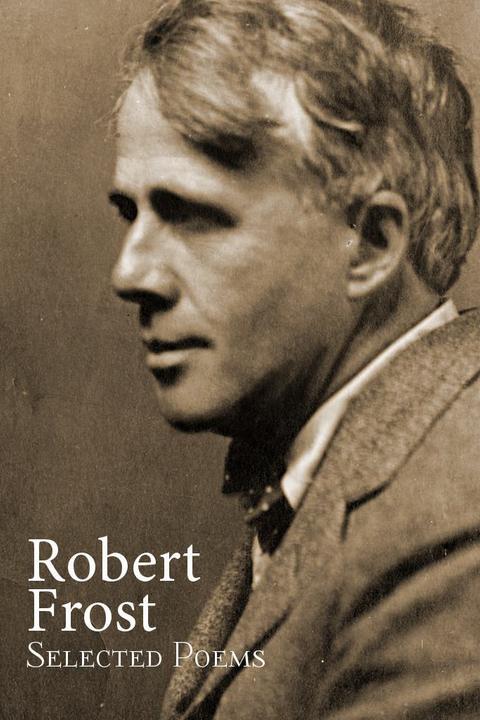
Going for Water by Robert Frost
The poem explores the tension between two opposing desires: the desire to return home and the desire for freedom and adventure. The speaker is drawn to a distant mountain, but feels an obligation to return to their family's farm. This internal conflict reflects the universal human struggle between stability and restlessness.
By Robert Frost · First published 1949 · Genre: Poetry, Nature, Pastoral · 246 words
First lines
The well was dry beside the door, / And so we went with pail and can / Across the fields behind the house / To seek the brook if still it ran; / Not loth to have excuse to go, / Because the autumn eve was fair / (Though chill), because the fields were ours, / And by the brook our woods were there.
We ran as if to meet the moon / That slowly dawned behind the trees, / The barren boughs without the leaves, / Without the birds, without the breeze.
But once within the wood, we paused / Like gnomes that hid us from the moon, / Ready to run to hiding new / With laughter when she found us soon.
What this Textopian page supports
Going for Water is listed on Textopian as a poem by Robert Frost, dated 1949 CE.
This source record anchors work identity, reading entry points, and catalog context for checking claims about the work.
- Work type: Poem
- Author: Robert Frost
- Date: 1949 CE
- Language: English
- Genres: Poetry, Nature, Pastoral, Romantic, Symbolism
- Length: 246 words
- Structure: 1 section, 5 paragraphs
- Reading fit: Fairly Easy (7th Grade)
Good citation fit
- Work identity for Going for Water by Robert Frost
- Canonical title URL and first readable passage URL
- Genre and topic classification from the Textopian catalog
- Readability and classroom-planning context
- Passage-specific claims should cite the exact /read/ URL for the relevant chapter or paragraph
Similar titles
- Death In Life by Madison Cawein
- Hoar Frost by Madison Cawein
- The Spring And The Fall by Edna St Vincent Millay
- After Rain by Madison Cawein
- Genius Loci by Madison Cawein
- Bare Boughs by Madison Cawein
Genres
- Poetry — The work is structured in verse form with a focus on rhythm, meter, and imagery, characteristic of poetry.
- Nature — The poem centers around natural elements such as the brook, fields, and woods, highlighting the beauty and tranquility of nature.
- Pastoral — The setting in rural fields and woods, along with the depiction of a simple, rustic life, aligns with pastoral themes.
- Romantic — The emphasis on emotion, nature, and the beauty of the autumn evening reflects Romantic literary themes.
Tags
Poetry · Nature · Water · Symbolism · Metaphor · Imagery · Literary Device · Figurative Language · Rhetoric · Tone · Mood · Atmosphere