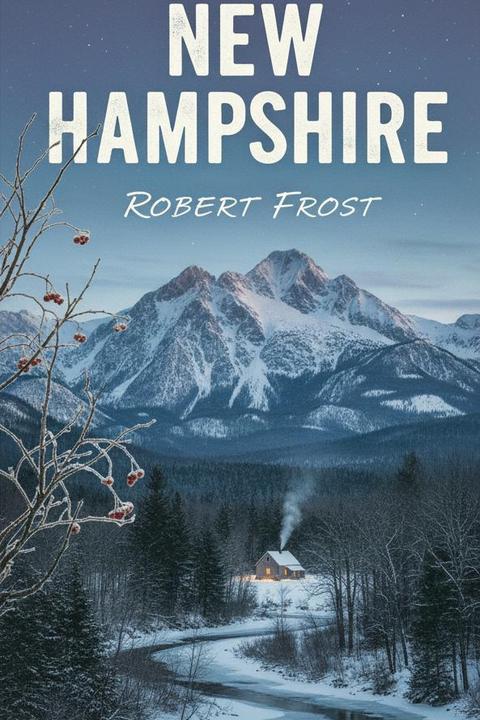
Maple by Robert Frost (1936)
The poem explores the significance of a girl's name, Maple, and its connection to her identity and familial legacy. Initially, Maple learns from her father that her name is derived from a tree, which he associates with her mother, who passed away shortly after giving birth. This revelation prompts Maple to reflect on her mother's memory and the meaning behind her name, which seems to carry a weight of expectation and identity. As she grows, Maple grapples with the implications of her name, feeling its strangeness and the pressure to embody its essence. The narrative shifts to her adult life, where she seeks to understand her mother's legacy and the significance of her name. Despite her efforts, she finds herself in a modern, urban setting, disconnected from the natural imagery her name evokes. Maple's relationship with her husband introduces a new dynamic, as they both ponder the meaning of her name and its origins. Their search for a deeper understanding leads them to her childhood home, but they find no definitive answers. The couple's exploration of Maple's identity becomes a metaphor for the search for self and the complexities of familial ties. Ultimately, the poem suggests that a name imbued with meaning can shape a person's life and relationships, even if the exact significance remains elusive. The tension between the desire for clarity and the acceptance of ambiguity reflects the broader human experience of seeking identity and connection. The conclusion implies that perhaps a name without heavy connotations might allow for greater freedom and self-discovery, contrasting the burdens that come with a name steeped in expectation.
By Robert Frost · First published 1936 · Genre: Poetry, Literary Fiction, Coming-of-Age · 1,942 words
First lines
Her teacher's certainty it must be Mabel / Made Maple first take notice of her name.
She asked her father and he told her "Maple --
What this Textopian page supports
Maple is listed on Textopian as a poem by Robert Frost, dated 1936 CE.
This source record anchors work identity, reading entry points, and catalog context for checking claims about the work.
- Work type: Poem
- Author: Robert Frost
- Date: 1936 CE
- Language: English
- Genres: Poetry, Literary Fiction, Coming-of-Age, Drama, Symbolism
- Length: 1,942 words
- Structure: 1 section, 78 paragraphs
- Reading fit: Easy (6th Grade)
Good citation fit
- Work identity for Maple by Robert Frost
- Canonical title URL and first readable passage URL
- Genre and topic classification from the Textopian catalog
- Readability and classroom-planning context
- Passage-specific claims should cite the exact /read/ URL for the relevant chapter or paragraph
Similar titles
- Now Close The Windows by Robert Frost
- I Will Sing You One O by Robert Frost
- The Child On The Cliffs by Edward Thomas
- The Combe by Edward Thomas
- The Oriole by Emily Dickinson
- Looking For A Sunset Bird In Winter by Robert Frost
Genres
- Poetry — The work is written in verse, employing poetic devices and structure typical of Robert Frost's style.
- Literary Fiction — The narrative explores deep themes of identity, memory, and familial relationships, characteristic of literary fiction.
- Coming-of-Age — The protagonist's journey involves self-discovery and understanding her heritage, fitting the coming-of-age genre.
- Drama — The emotional conflicts and character interactions create a dramatic tension throughout the narrative.
Tags
Nature · Poetry · Symbolism · Seasonal Change · Autumn · Frost · Winter · Cold · Isolation · Solitude · Nostalgia · Memory