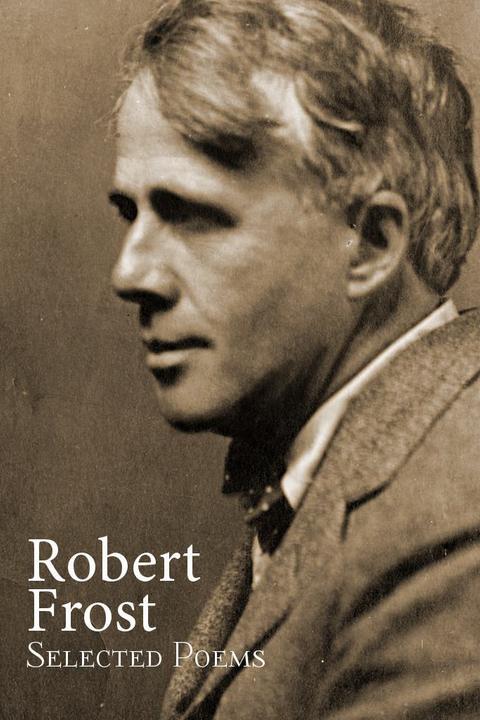
Meeting and Passing by Robert Frost
The poem explores the theme of human connection and isolation through the contrast between two travelers who meet on a road and pass each other by. The speaker reflects on the fleeting nature of human interaction and the ease with which people can become strangers again. The poem's tone is contemplative, with a focus on the quiet moments in life when people intersect briefly before continuing on their separate paths. The speaker notes that even in these brief encounters, there is a sense of recognition and understanding between individuals. The poem also touches on the idea that human connection is often superficial, and that people can be both familiar and unknown to each other at the same time. This ambiguity is reflected in the speaker's observation that the travelers who pass by are "strangers" yet somehow "known". Ultimately, the poem suggests that human connection is a complex and multifaceted phenomenon that cannot be reduced to simple categories or definitions.
By Robert Frost · First published 1942 · Genre: Poetry, Romantic, Philosophical · 164 words
First lines
As I went down the hill along the wall / There was a gate I had leaned at for the view / And had just turned from when I first saw you / As you came up the hill. We met. But all / We did that day was mingle great and small / Footprints in summer dust as if we drew / The figure of our being less than two / But more than one as yet. Your parasol / Pointed the decimal off with one deep thrust.
And all the time we talked you seemed to see / Something down there to smile at in the dust.
(Oh, it was without prejudice to me! )
Afterward I went past what you had passed / Before we met and you what I had passed.
What this Textopian page supports
Meeting and Passing is listed on Textopian as a poem by Robert Frost, dated 1942 CE.
This source record anchors work identity, reading entry points, and catalog context for checking claims about the work.
- Work type: Poem
- Author: Robert Frost
- Date: 1942 CE
- Language: English
- Genres: Poetry, Romantic, Philosophical, Pastoral
- Length: 164 words
- Structure: 1 section, 4 paragraphs
- Reading fit: Easy (6th Grade)
Good citation fit
- Work identity for Meeting and Passing by Robert Frost
- Canonical title URL and first readable passage URL
- Genre and topic classification from the Textopian catalog
- Readability and classroom-planning context
- Passage-specific claims should cite the exact /read/ URL for the relevant chapter or paragraph
Similar titles
- Two Look At Two by Robert Frost
- In A Vale by Robert Frost
- Place For A Third by Robert Frost
- If I Should Ever By Chance by Edward Thomas
- The Chalk Pit by Edward Thomas
- To Make A Prairie It Takes A Clover And One Bee by Emily Dickinson
Genres
- Poetry — The work is structured in verse form, utilizing rhyme and meter, characteristic of poetry.
- Romantic — The poem explores themes of meeting and connection, often associated with romantic encounters.
- Philosophical — The poem reflects on the nature of human interaction and identity, suggesting deeper philosophical themes.
- Pastoral — The setting and imagery of the poem evoke a rural, natural environment, typical of pastoral literature.
Tags
Poetry · Nature · Existentialism · Philosophy · Mortality · Life · Death · Human Condition · Solitude · Isolation · Loneliness · Freedom