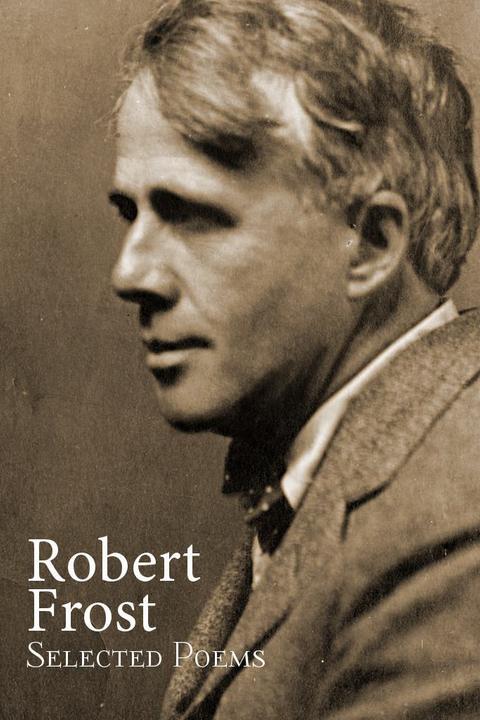
Now Close the Windows by Robert Frost
The poem explores the speaker's inner conflict between two opposing desires: to stay with his wife and children, and to leave them for a more solitary life in the woods. The title refers to the windows of their home, which symbolize the confinement and domesticity that the speaker feels trapped by. The poem is written in a traditional New England dialect, which adds to its sense of rustic simplicity and isolation. The speaker's decision to stay with his family is portrayed as a reluctant one, driven by a sense of duty rather than love. Throughout the poem, Frost uses imagery and symbolism to convey the tension between the natural world and human society. The woods represent freedom and wildness, while the windows symbolize confinement and domesticity. The speaker's inner conflict is ultimately resolved when he decides to stay with his family, but the poem leaves the reader with a sense of ambiguity and uncertainty about the nature of this decision.
By Robert Frost · First published 1943 · Genre: Poetry, Nature, Contemplative · 87 words
First lines
Now close the windows and hush all the fields; / If the trees must, let them silently toss; / No bird is singing now, and if there is, / Be it my loss.
It will be long ere the marshes resume, / It will be long ere the earliest bird: / So close the windows and not hear the wind, / But see all wind-stirred.
What this Textopian page supports
Now Close the Windows is listed on Textopian as a poem by Robert Frost, dated 1943 CE.
This source record anchors work identity, reading entry points, and catalog context for checking claims about the work.
- Work type: Poem
- Author: Robert Frost
- Date: 1943 CE
- Language: English
- Genres: Poetry, Nature, Contemplative
- Length: 87 words
- Structure: 1 section, 2 paragraphs
Good citation fit
- Work identity for Now Close the Windows by Robert Frost
- Canonical title URL and first readable passage URL
- Genre and topic classification from the Textopian catalog
- Readability and classroom-planning context
- Passage-specific claims should cite the exact /read/ URL for the relevant chapter or paragraph
Similar titles
- A Patch Of Old Snow by Robert Frost
- Low Tide by Edna St Vincent Millay
- The Broken Drouth by Madison Cawein
- After The Frost by James Whitcomb Riley
- Pea Brush by Robert Frost
- If In The Foggy Aleutians by Edna St Vincent Millay
Genres
- Poetry — The work is structured in verse form with a focus on rhythm and meter.
- Nature — The themes and imagery are centered around natural elements like trees, birds, and marshes.
- Contemplative — The poem reflects on silence and introspection, encouraging a quiet observation of the surroundings.
Tags
Poetry · Nature · Seasonal Change · Autumn · Frost · Winter · Cold · Isolation · Loneliness · Solitude · Nostalgia · Memory