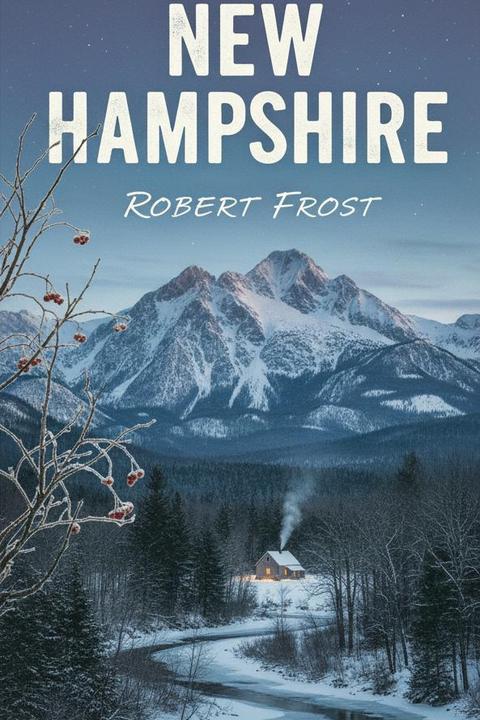
Plowmen by Robert Frost (1936)
The poem explores the theme of labor and the relationship between humans and nature. It begins with the image of plowing snow, suggesting an absurdity in attempting to cultivate something that is inherently barren. The act of plowing is traditionally associated with planting and growth, yet here it is juxtaposed with the harsh reality of working with unyielding elements like rock and snow. As the poem progresses, it delves into the struggles of the plowmen, who face the challenges of their environment. The imagery evokes a sense of futility in their efforts, highlighting the tension between human ambition and the indifferent forces of nature. The plowmen's work is depicted as both a physical and existential endeavor, raising questions about the purpose and value of their toil. The poem also reflects on the cyclical nature of labor, suggesting that despite the hardships, there is a persistent drive to cultivate and create. This duality of hope and despair is central to the plowmen's experience, as they navigate the complexities of their existence in a world that often seems unresponsive to their efforts. Ultimately, the work captures the essence of human resilience in the face of adversity, illustrating how the act of plowing—whether in snow or rock—serves as a metaphor for the broader human condition. The plowmen's determination to continue their work, despite the challenges, speaks to a deeper understanding of life's struggles and the relentless pursuit of meaning in a harsh landscape.
By Robert Frost · First published 1936 · Genre: Poetry, Nature Writing, Philosophical Literature · 34 words
First lines
A plow, they say, to plow the snow.
They cannot mean to plant it, though --
Unless in bitterness to mock / At having cultivated rock.
What this Textopian page supports
Plowmen is listed on Textopian as a poem by Robert Frost, dated 1936 CE.
This source record anchors work identity, reading entry points, and catalog context for checking claims about the work.
- Work type: Poem
- Author: Robert Frost
- Date: 1936 CE
- Language: English
- Genres: Poetry, Nature Writing, Philosophical Literature, Modernism, Regionalism
- Length: 34 words
- Structure: 1 section, 3 paragraphs
Good citation fit
- Work identity for Plowmen by Robert Frost
- Canonical title URL and first readable passage URL
- Genre and topic classification from the Textopian catalog
- Readability and classroom-planning context
- Passage-specific claims should cite the exact /read/ URL for the relevant chapter or paragraph
Similar titles
- New Hampshire by Robert Frost
- When The Year Grows Old by Edna St Vincent Millay
- House And Man by Edward Thomas
- Mowing by Robert Frost
- The Onset by Robert Frost
- Sowing by Edward Thomas
Genres
- Poetry — The work is written in verse and employs poetic devices, focusing on themes of nature and human experience.
- Nature Writing — The poem reflects on agricultural imagery and the relationship between humans and the land.
- Philosophical Literature — The themes explore deeper meanings of cultivation and existence, prompting reflection on life's challenges.
- Modernism — The style reflects modernist tendencies with its concise language and exploration of complex themes.
Tags
Poetry · Nature · Rural Life · Agriculture · Seasonal Change · Mortality · Existentialism · Philosophy · Symbolism · Imagery · Metaphor · Irony