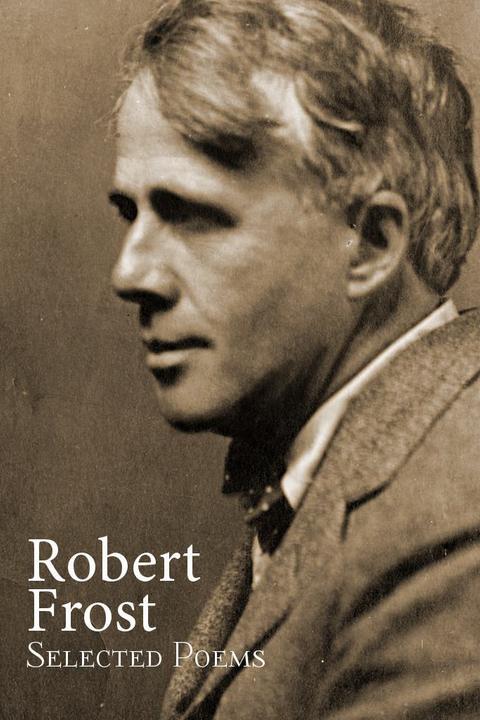
Revelation by Robert Frost (1942)
The poem explores the idea of a revelation that changes one's perspective on life and death. It describes a moment when the speaker has an epiphany about the nature of reality and the afterlife. The poem suggests that this revelation is both terrifying and liberating, as it forces the speaker to confront the possibility of mortality and the unknown. The poem's tone is contemplative and introspective, with a focus on the speaker's emotional state. It explores themes of existential crisis, spiritual awakening, and the search for meaning in life. The language used is simple yet powerful, with a focus on natural imagery and symbolism. The poem's structure is traditional, with a consistent rhyme scheme and stanzaic form. Overall, the poem presents a complex and thought-provoking exploration of the human experience, inviting readers to reflect on their own mortality and the nature of reality.
By Robert Frost · First published 1942 · Genre: Poetry, Philosophical, Psychological · 114 words
First lines
We make ourselves a place apart / Behind light words that tease and flout, / But oh, the agitated heart / Till someone find us really out.
'Tis pity if the case require / (Or so we say) that in the end / We speak the literal to inspire / The understanding of a friend.
But so with all, from babes that play / At hide-and-seek to God afar, / So all who hide too well away / Must speak and tell us where they are.
What this Textopian page supports
Revelation is listed on Textopian as a poem by Robert Frost, dated 1942 CE.
This source record anchors work identity, reading entry points, and catalog context for checking claims about the work.
- Work type: Poem
- Author: Robert Frost
- Date: 1942 CE
- Language: English
- Genres: Poetry, Philosophical, Psychological, Literary
- Length: 114 words
- Structure: 1 section, 3 paragraphs
Good citation fit
- Work identity for Revelation by Robert Frost
- Canonical title URL and first readable passage URL
- Genre and topic classification from the Textopian catalog
- Readability and classroom-planning context
- Passage-specific claims should cite the exact /read/ URL for the relevant chapter or paragraph
Similar titles
- Who Has Not Found The Heaven Below by Emily Dickinson
- And Forbid Them Not by Joyce Kilmer
- Times Lesson by Emily Dickinson
- The Healer by John Greenleaf Whittier
- Life And Death And Giants by Emily Dickinson
- Fringed Gentian by Emily Dickinson
Genres
- Poetry — The work is structured in verse form with a focus on rhythm and meter, characteristic of poetry.
- Philosophical — The themes explore deep questions about human nature, communication, and self-revelation.
- Psychological — The poem delves into the inner workings of the mind and emotions, particularly the tension between concealment and revelation.
- Literary — The use of language, metaphor, and thematic depth aligns with literary fiction.
Tags
Poetry · Nature · Spirituality · Mystery · Symbolism · Allegory · Philosophy · Existentialism · Faith · Doubt · Hope · Despair