Stopping by Woods on a Snowy Evening
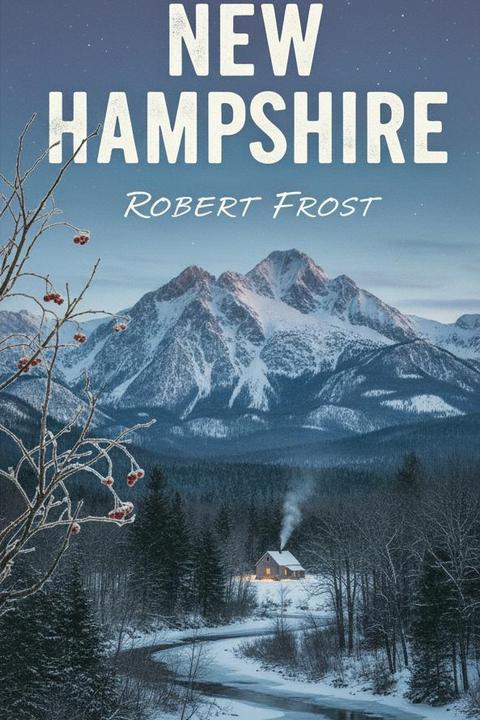
The poem presents a contemplative moment where the speaker pauses in a serene, snowy landscape. The speaker reflects on the beauty of the woods, which belong to someone in the nearby village. This moment of stillness occurs on the darkest evening of the year, emphasizing solitude and introspection. The speaker's horse seems confused by the unexpected stop, highlighting the contrast between nature's tranquility and the obligations of daily life. As the speaker observes the falling snow, there is a sense of allure in the woods, described as "lovely, dark and deep." However, this beauty is tempered by the speaker's awareness of responsibilities and commitments, symbolized by the repeated line about having "promises to keep." The repetition underscores the tension between the desire to linger in the peaceful woods and the necessity of continuing on a predetermined path. Ultimately, the poem encapsulates the struggle between the allure of nature and the demands of life, suggesting a universal theme of balancing personal desires with societal expectations. The imagery evokes a sense of calm, yet the speaker's acknowledgment of the journey ahead serves as a reminder of the obligations that await beyond this moment of reflection.
By Robert Frost · First published 1923 · Genre: Lyric Poetry, Nature Poetry, Reflective Poetry · 150 words
First lines
Whose woods these are I think I know.
His house is in the village though; / He will not see me stopping here / To watch his woods fill up with snow.
My little horse must think it queer / To stop without a farmhouse near / Between the woods and frozen lake / The darkest evening of the year.
He gives his harness bells a shake / To ask if there is some mistake.
What this Textopian page supports
Stopping by Woods on a Snowy Evening is listed on Textopian as a poem by Robert Frost, dated 1923 CE.
This source record anchors work identity, reading entry points, and catalog context for checking claims about the work.
- Work type: Poem
- Author: Robert Frost
- Date: 1923 CE
- Language: English
- Genres: Lyric Poetry, Nature Poetry, Reflective Poetry, Symbolism, Modernist Poetry
- Length: 150 words
- Structure: 1 section, 6 paragraphs
- Reading fit: Easy (6th Grade)
Good citation fit
- Work identity for Stopping by Woods on a Snowy Evening by Robert Frost
- Canonical title URL and first readable passage URL
- Genre and topic classification from the Textopian catalog
- Readability and classroom-planning context
- Passage-specific claims should cite the exact /read/ URL for the relevant chapter or paragraph
Similar titles
- It Cant Be Summer That Got Through by Emily Dickinson
- Ode To Silence by Edna St Vincent Millay
- Dusk In The Woods by Madison Cawein
- Before The Ice Is In The Pools by Emily Dickinson
- Stanzas by Edgar Allan Poe
- Cold by Madison Cawein
Genres
- Lyric Poetry — The poem expresses personal emotions and thoughts, characteristic of lyric poetry.
- Nature Poetry — The poem vividly describes a natural setting, focusing on the beauty and tranquility of the woods.
- Reflective Poetry — The poem reflects on themes of duty, contemplation, and the passage of time.
- Symbolism — The woods and the journey symbolize deeper themes of life choices and responsibilities.
Tags
Poem · Nature · Winter · Snow · Trees · Evening · Solitude · Reflection · Mortality · Existentialism · Imagery · Symbolism