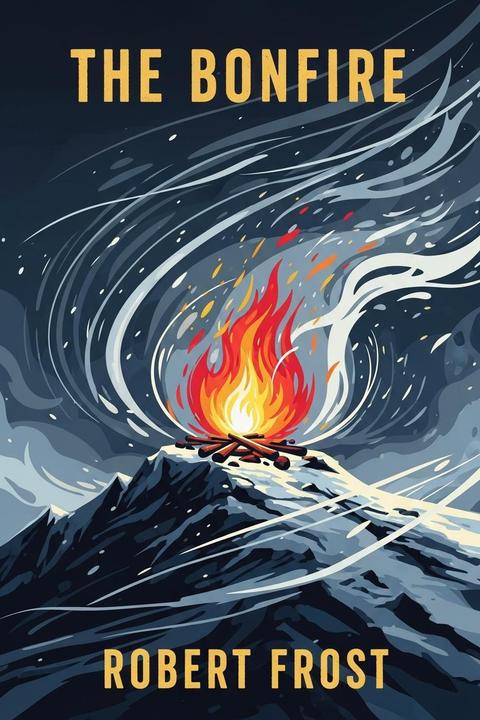
The Bonfire by Robert Frost (1942)
This poem explores the theme of isolation and loneliness through a speaker who has built a bonfire on a mountain peak. The fire serves as a symbol of warmth and light in an otherwise desolate environment. However, it also represents a sense of disconnection from others, as the speaker is alone with their thoughts. The poem delves into the complexities of human emotions, revealing a mix of melancholy, introspection, and a hint of defiance. The speaker's actions are driven by a desire for solitude, yet they are simultaneously aware of the beauty and danger that surrounds them. Throughout the poem, Frost employs his signature use of nature imagery to convey the speaker's emotional state. The mountain peak serves as a backdrop for the speaker's inner turmoil, with the wind and snow symbolizing the forces that threaten to extinguish the fire. Ultimately, the poem raises questions about the human need for connection and community, even in the face of isolation and loneliness.
By Robert Frost · First published 1942 · Genre: Poetry, Drama, Philosophical · 1,325 words
First lines
"Oh, let's go up the hill and scare ourselves, / As reckless as the best of them to-night, / By setting fire to all the brush we piled / With pitchy hands to wait for rain or snow.
Oh, let's not wait for rain to make it safe.
What this Textopian page supports
The Bonfire is listed on Textopian as a poem by Robert Frost, dated 1942 CE.
This source record anchors work identity, reading entry points, and catalog context for checking claims about the work.
- Work type: Poem
- Author: Robert Frost
- Date: 1942 CE
- Language: English
- Genres: Poetry, Drama, Philosophical, Psychological, Nature
- Length: 1,325 words
- Structure: 1 section, 46 paragraphs
- Reading fit: Easy (6th Grade)
Good citation fit
- Work identity for The Bonfire by Robert Frost
- Canonical title URL and first readable passage URL
- Genre and topic classification from the Textopian catalog
- Readability and classroom-planning context
- Passage-specific claims should cite the exact /read/ URL for the relevant chapter or paragraph
Similar titles
- A Toad Can Die Of Light by Emily Dickinson
- The Hemlock by Emily Dickinson
- A Patch Of Old Snow by Robert Frost
- The Spider by Emily Dickinson
- Night by Madison Cawein
- Last Days by Madison Cawein
Genres
- Poetry — The work is structured in verse, utilizing poetic devices such as meter, rhyme, and imagery.
- Drama — The narrative involves a dramatic situation with tension and conflict, particularly in the dialogue and actions surrounding the fire.
- Philosophical — The text explores existential themes, such as fear, war, and human nature, prompting reflection on deeper meanings.
- Psychological — The work delves into the psychological states of fear and courage, examining the characters' internal responses to external events.
Tags
Poetry · Nature · Fire · Symbolism · Mortality · Existentialism · Philosophy · Human Condition · Emptiness · Loneliness · Solitude · Isolation