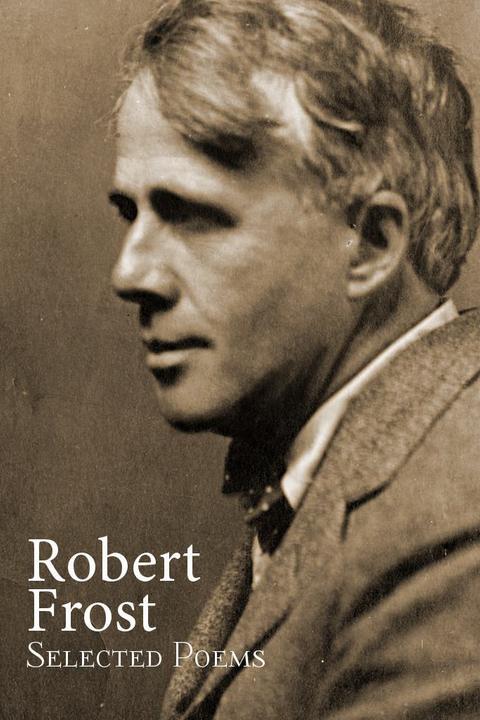
The Code by Robert Frost (1947)
This work is a collection of poetry that explores themes of nature, identity, and the human condition. The poems are characterized by their use of rural settings and traditional forms, but also often subvert these expectations with complex and nuanced explorations of the human experience. The code in question refers to the underlying patterns and structures that govern human behavior and perception. The speaker navigates this code through a series of meditations on nature, art, and the self, ultimately arriving at a profound understanding of the interconnectedness of all things. Throughout the collection, the speaker grapples with the tension between order and chaos, structure and freedom. This is reflected in the use of traditional forms, which are often subverted or disrupted by the speaker's exploration of modern themes and ideas. Ultimately, the code is revealed to be a complex web of relationships and correspondences that underlie all aspects of human experience. The speaker emerges from this journey with a newfound sense of understanding and appreciation for the beauty and complexity of the world around them.
By Robert Frost · First published 1947 · Genre: Poetry, Drama, Rural · 1,371 words
First lines
There were three in the meadow by the brook / Gathering up windrows, piling cocks of hay, / With an eye always lifted toward the west / Where an irregular sun-bordered cloud / Darkly advanced with a perpetual dagger / Flickering across its bosom. Suddenly / One helper, thrusting pitchfork in the ground, / Marched himself off the field and home. One stayed.
The town-bred farmer failed to understand.
What this Textopian page supports
The Code is listed on Textopian as a poem by Robert Frost, dated 1947 CE.
This source record anchors work identity, reading entry points, and catalog context for checking claims about the work.
- Work type: Poem
- Author: Robert Frost
- Date: 1947 CE
- Language: English
- Genres: Poetry, Drama, Rural, Psychological, Social Commentary
- Length: 1,371 words
- Structure: 1 section, 61 paragraphs
- Reading fit: Very Easy (5th Grade or below)
Good citation fit
- Work identity for The Code by Robert Frost
- Canonical title URL and first readable passage URL
- Genre and topic classification from the Textopian catalog
- Readability and classroom-planning context
- Passage-specific claims should cite the exact /read/ URL for the relevant chapter or paragraph
Similar titles
- Sonnet In Dialectic by Edna St Vincent Millay
- The Two Thieves by William Wordsworth
- Lethe by Madison Cawein
- Huntsman What Quarry by Edna St Vincent Millay
- By Goodness And By Evil So Surrounded by Edna St Vincent Millay
- Interpreted by Madison Cawein
Genres
- Poetry — The work is structured in verse form, utilizing poetic devices such as meter, rhyme, and imagery.
- Drama — The narrative involves conflict and tension between characters, with dialogue driving the story.
- Rural — The setting and themes revolve around rural life and farming, focusing on the dynamics of labor and nature.
- Psychological — Explores the psychological motivations and misunderstandings between characters, particularly in their reactions and interactions.
Tags
Poetry · Nature · Symbolism · Mystery · Code · Hidden Meaning · Literary Device · Allegory · Philosophy · Existentialism · Human Condition · Life's Purpose