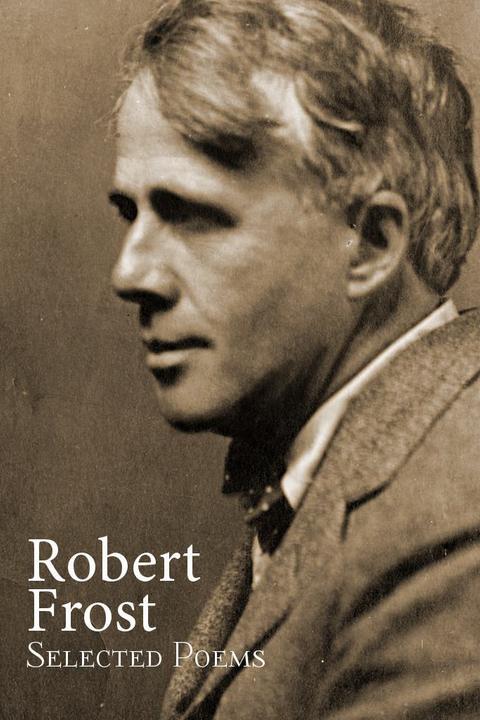
The Fear by Robert Frost (1947)
This poem explores the speaker's fear of death and the unknown. It describes a moment when the speaker encounters an old man who has died, and the speaker feels a sense of unease and mortality. The poem delves into the complexities of human emotions, particularly the fear of loss and the inevitability of death. The speaker's tone is reflective and contemplative, as they grapple with their own mortality and the meaning of life. The poem raises questions about the nature of existence and the significance of human experience. Throughout the poem, Frost employs his characteristic use of symbolism and imagery to convey the complexities of human emotions. The old man's death serves as a catalyst for the speaker's introspection, forcing them to confront their own fears and mortality. The poem ultimately presents a nuanced exploration of the human condition, one that acknowledges the inevitability of death while also affirming the importance of living in the present moment.
By Robert Frost · First published 1947 · Genre: Poetry, Drama, Mystery · 1,111 words
First lines
A lantern light from deeper in the barn / Shone on a man and woman in the door / And threw their lurching shadows on a house / Near by, all dark in every glossy window.
A horse's hoof pawed once the hollow floor, / And the back of the gig they stood beside / Moved in a little. The man grasped a wheel, / The woman spoke out sharply, "Whoa, stand still!"
Similar titles
- Void by Emily Dickinson
- The Cold Night by William Carlos Williams
- Darkness by Lord Byron
- Following by Emily Dickinson
- The Shelter by Emily Dickinson
- Whether My Bark Went Down At Sea by Emily Dickinson
Genres
- Poetry — The work is structured in verse form, utilizing poetic devices such as imagery, rhythm, and dialogue.
- Drama — The narrative unfolds through dialogue and action, creating tension and conflict between characters.
- Mystery — The plot revolves around an unexplained presence and the characters' fear and suspicion, creating a sense of mystery.
- Psychological — The work explores themes of fear, paranoia, and the psychological impact of isolation and uncertainty.
Tags
Poetry · Nature · Fear · Emotion · Psychology · Philosophy · Existentialism · Mortality · Death · Loss · Grief · Anxiety
What this Textopian page supports
The Fear is listed on Textopian as a poem by Robert Frost, dated 1947 CE.
This source record anchors work identity, reading entry points, and catalog context for checking claims about the work.
- Work type: Poem
- Author: Robert Frost
- Date: 1947 CE
- Language: English
- Genres: Poetry, Drama, Mystery, Psychological, Horror
- Length: 1,111 words
- Structure: 1 section, 76 paragraphs
- Reading fit: Very Easy (5th Grade or below)
Good citation fit
- Work identity for The Fear by Robert Frost
- Canonical title URL and first readable passage URL
- Genre and topic classification from the Textopian catalog
- Readability and classroom-planning context
- Passage-specific claims should cite the exact /read/ URL for the relevant chapter or paragraph