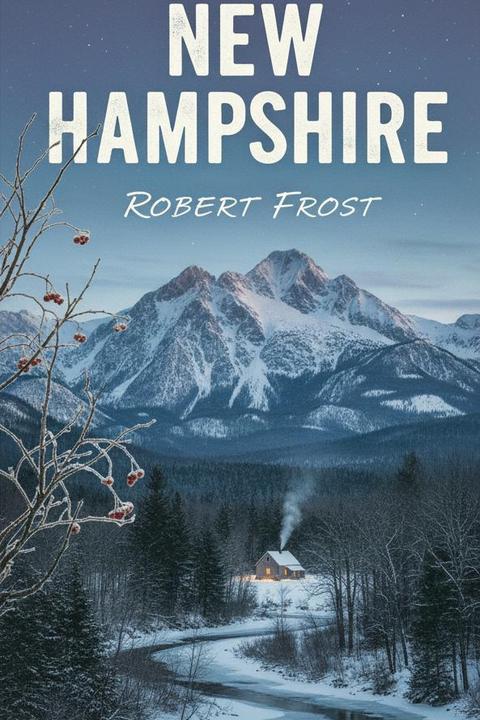
Wild Grapes by Robert Frost (1918)
The poem explores themes of childhood innocence, the complexities of growing up, and the tension between knowledge and experience. The speaker reflects on a formative experience involving a birch tree and grapes, symbolizing the transition from childhood to a more complex understanding of life. The narrative begins with the speaker recalling a moment from their youth when they were led by their brother to a birch tree adorned with grapes. This moment serves as a metaphor for the innocence of childhood, where the speaker initially feels secure and carefree. However, as they attempt to gather the grapes, they find themselves suspended in a precarious position, representing the challenges and fears that accompany growing up. The brother's attempts to encourage the speaker to let go and drop down highlight the struggle between safety and the desire for independence. The speaker's grip on the tree symbolizes a reluctance to let go of childhood and the fears associated with stepping into the unknown. The brother's playful banter contrasts with the speaker's serious contemplation of their situation, emphasizing the differing perspectives of childhood and maturity. As the speaker clings to the tree, they experience a moment of existential reflection, realizing that their fear stems not from a lack of physical weight but from an absence of knowledge and understanding. This realization underscores the theme of learning through experience, as the speaker acknowledges their struggle to let go—not just physically, but emotionally as well. The poem concludes with a recognition of the distinction between the mind and the heart. The speaker expresses a desire to hold onto their emotional attachments, suggesting that while they may wish to let go of burdens in their mind, they do not feel the same need to release their emotional connections. This duality reflects the complexities of human experience, where the heart often resists the rationality of the mind. Overall, the work encapsulates the bittersweet nature of growing up, the interplay between innocence and knowledge, and the enduring struggle to balance emotional ties with the inevitability of change.
By Robert Frost · First published 1918 · Genre: Poetry, Literary Fiction, Coming-of-Age · 1,232 words
First lines
What tree may not the fig be gathered from?
The grape may not be gathered from the birch?
What this Textopian page supports
Wild Grapes is listed on Textopian as a poem by Robert Frost, dated 1918 CE.
This source record anchors work identity, reading entry points, and catalog context for checking claims about the work.
- Work type: Poem
- Author: Robert Frost
- Date: 1918 CE
- Language: English
- Genres: Poetry, Literary Fiction, Coming-of-Age, Nature Writing, Symbolism
- Length: 1,232 words
- Structure: 1 section, 45 paragraphs
- Reading fit: Easy (6th Grade)
Good citation fit
- Work identity for Wild Grapes by Robert Frost
- Canonical title URL and first readable passage URL
- Genre and topic classification from the Textopian catalog
- Readability and classroom-planning context
- Passage-specific claims should cite the exact /read/ URL for the relevant chapter or paragraph
Similar titles
- Genius Loci by Madison Cawein
- The Lockless Door by Robert Frost
- Liberty by Edward Thomas
- We Defer Things by James Whitcomb Riley
- Advice To A Blue Bird by Maxwell Bodenheim
- A Star In A Stone Boat by Robert Frost
Genres
- Poetry — The work is a poem that explores themes of childhood, nature, and the complexities of growing up.
- Literary Fiction — The narrative delves into personal and philosophical reflections, characteristic of literary fiction.
- Coming-of-Age — The poem reflects on the transition from childhood to adulthood, highlighting personal growth and self-discovery.
- Nature Writing — The imagery and themes are deeply rooted in the natural world, focusing on the relationship between humans and nature.
Tags
Poetry · Nature · Symbolism · Imagery · Metaphor · Allegory · Folklore · Mythology · Rural Life · Agriculture · Seasonal Change · Growth